

Daily Habits That Help Heel Pain Recovery (Limerick)
Understanding Heel Pain: What Causes It?
Heel pain is a common complaint that affects many individuals, often obfuscating daily activities and quality of life. Common conditions that can cause heel pain include plantar fasciitis, Achilles tendinitis, and heel spurs. At Peak Podiatry in Limerick, we encounter these issues frequently, understanding the role of proper footwear and biomechanical imbalances in foot health.
What is Plantar Fasciitis?
Plantar fasciitis is one of the primary culprits behind heel pain, characterized by inflammation of the plantar fascia, a thick band of tissue that runs across the bottom of your foot. Commonly associated with overuse, obesity, and inappropriate footwear, this condition can lead to severe pain, particularly after periods of rest.
Daily Habits That Encourage Recovering from Heel Pain
Incorporating specific daily habits can significantly enhance your recovery from heel pain. Let’s explore effective strategies you can adopt.
1. Stretching Exercises
Regular stretching can help alleviate tension in the plantar fascia and Achilles tendon. Here are a few recommended exercises:
- Calf Stretches: Stand facing a wall, place your hands on it, and step one foot back, keeping it straight with the heel on the floor. Bend the front knee and hold for 15-30 seconds.
- Plantar Fascia Stretch: Sit on a chair, cross one foot over the opposite knee, and pull your toes back gently to stretch the arch. Hold for 15-30 seconds.
2. Footwear Choices
Choosing the right footwear is crucial in managing heel pain. Opt for shoes that provide:
- Arch Support: Helps distribute pressure evenly across your foot.
- Cushioning: Reduces impact while walking or running.
- Stability: Ensures proper alignment and support.
At Peak Podiatry, we can assist you in finding the appropriate footwear or custom orthotics to help alleviate discomfort during your recovery.
3. Maintaining a Healthy Weight
Excess weight places additional stress on your feet, exacerbating heel pain. Consider adopting a balanced diet rich in nutrients and engaging in low-impact exercises that promote weight loss, such as swimming or cycling.
4. Ice Therapy
Applying ice to the affected heel for 15-20 minutes can help reduce inflammation and numb pain. Try it after activities that exacerbate your heel pain, ensuring you wrap the ice in a cloth to protect your skin.
5. Adequate Rest
While staying active is important, giving your feet adequate rest is also essential for recovery. Avoid high-impact activities that may aggravate your condition and consider cross-training with low-impact exercises.
How Can I Treat Heel Pain Effectively?
Treating heel pain may require a multifaceted approach. Consulting with a podiatrist at Peak Podiatry in Limerick enables you to receive a tailored treatment plan. Potential treatments include:
- Physical Therapy: Tailored exercise programs can be beneficial.
- Orthotics: Customized arch supports can alleviate discomfort.
- Medication: Non-steroidal anti-inflammatory drugs (NSAIDs) may be prescribed to reduce inflammation and pain.
- Corticosteroid Injections: In severe cases, injections may provide faster relief.
- Surgical Options: A podiatrist may recommend surgery only as a last resort if conservative treatments fail.
Are There Lifestyle Changes I Can Make?
Absolutely. In addition to the daily habits mentioned, consider the following lifestyle changes:
- Maintain a regular stretching routine.
- Use supportive devices like heel cups when necessary.
- Avoid walking barefoot on hard surfaces.
Frequently Asked Questions (FAQ)
1. How long does it take to recover from heel pain?
Recovery time varies based on the severity of the condition and adherence to treatment. Many experience significant improvement within a few weeks.
2. Can heel pain return after treatment?
Yes, if preventive measures aren’t maintained, heel pain can recur. Adhering to recommended habits and ongoing foot care is vital.
3. Are there over-the-counter treatments for heel pain?
Yes, NSAIDs and orthotic inserts are commonly used. However, consulting a podiatrist is advisable to ensure proper use and effectiveness.
4. Is surgery necessary for heel pain?
Surgery is rarely required and is typically reserved for severe cases that do not respond to other treatments.
5. How can I book an appointment with Peak Podiatry?
You can easily book an appointment with Peak Podiatry through our [online booking system](https://peak-podiatry.eu1.cliniko.com/bookings#location) for a personalized evaluation.
Conclusion
Adopting daily habits that promote recovery from heel pain can significantly improve your quality of life. By being proactive and obtaining professional advice from the specialists at Peak Podiatry in Limerick, you can effectively manage and overcome heel pain. Remember, early intervention is key to recovery!

Ask Robert And His Team
Fill in the form to request a Call From Our Team
Fill in the form to request a Call From Our Team
One of our team will call you for FREE and answer any questions or concerns you may have about your Foot Pain.
One of our team will call you for FREE and answer any questions or concerns you may have about your Foot Pain.

Where To Find Peak Podiatry Clinic
Ready to take the next step?
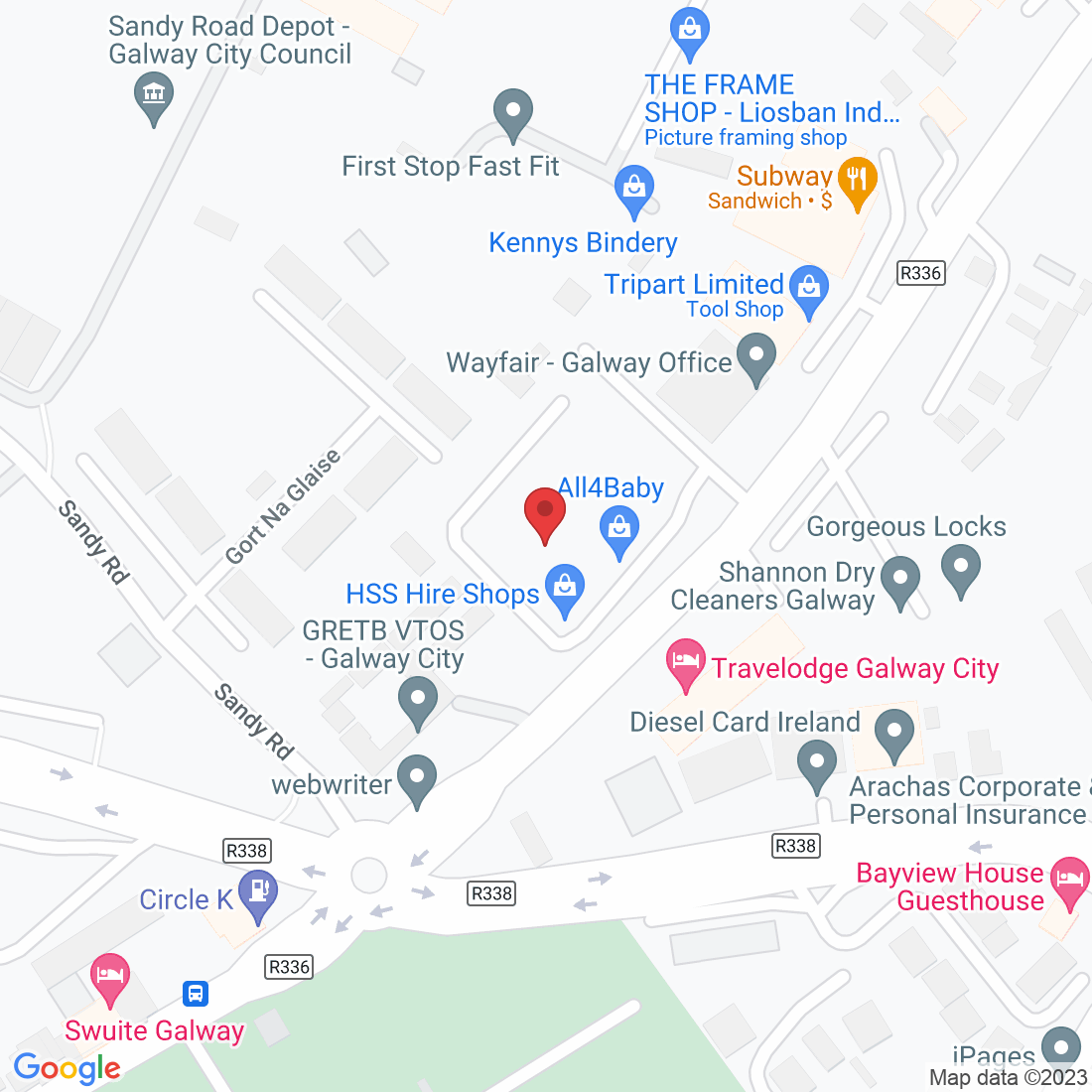
We are conveniently located in Unit 8D Liosban Business Park, Tuam road
Tuam Rd, Galway
Open 8am – 6pm (Mon-Fri)
Free Parking on our doorstep



Legal
How to get in touch
© Copyright 2022. Peak Podiatry All rights reserved.