
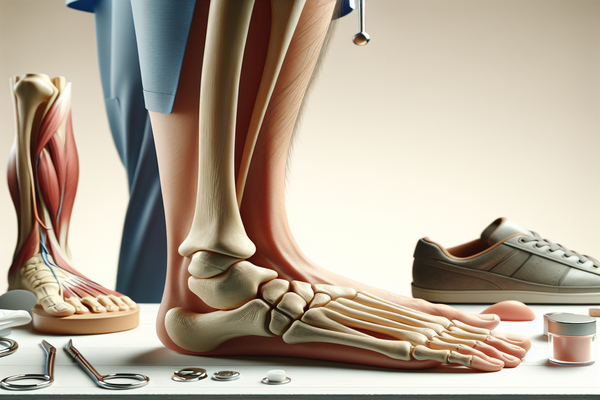
How Your Feet Change as You Age (and What You Can Do About It)
Introduction
As we age, many changes occur in our bodies, and our feet are no exception. At Peak Podiatry in Galway, we understand the unique challenges that older adults face concerning foot health. This article explores how aging affects your feet, the common conditions that arise, and practical steps you can take to maintain healthy feet.
What Causes Changes in the Feet as We Age?
Several factors contribute to the changes that occur in our feet as we get older:
- Bone Density Loss: As we age, bones may lose density, leading to conditions like osteoporosis which can affect foot structure.
- Changes in Skin Elasticity: The skin on our feet becomes less elastic and drier, increasing the risk of cracks and injuries.
- Reduced Fat Pad Thickness: The natural cushioning that protects our bones and joints becomes thinner, causing discomfort while walking.
- Joint Stiffness: Arthritis and other joint issues can develop, leading to limited mobility and foot pain.
- Nerve Changes: Peripheral neuropathy can cause numbness or tingling, impacting balance and increase the risk of falls.
What Common Foot Conditions Affect Older Adults?
Several specific foot conditions become more prevalent with age:
- Plantar Fasciitis: Inflammation of the plantar fascia can cause heel pain, often worse in the morning.
- Bunions: These bony protrusions at the base of the big toe can lead to pain and difficulty finding suitable footwear.
- Corns and Calluses: Thickened skin forms due to friction and pressure, which can be painful if not managed properly.
- Diabetic Foot Conditions: Individuals with diabetes are at an increased risk of foot ulcers and infections due to nerve damage and poor circulation.
- Flat Feet: The arch can flatten over time, causing pain and alignment issues.
How Can I Treat Foot Problems as I Age?
Managing foot health in older age involves proactive measures and treatments. Here are some effective strategies:
- Proper Footwear: Choose supportive shoes with adequate cushioning and a wide toe box to accommodate foot changes.
- Regular Foot Care: Inspect your feet daily for any sores or unusual changes, especially if you have diabetes.
- Orthotics: Custom orthotic devices can provide additional support and alleviate pain from common foot conditions.
- Foot Exercises: Strengthening and stretching exercises can help maintain flexibility and strength in the foot muscles.
- Seek Professional Help: Regular check-ups with a podiatrist can help catch and treat foot issues early.
How Can I Maintain Healthy Feet as I Age?
To promote foot health throughout your golden years, consider these practices:
- Stay Active: Engage in low-impact activities like walking or swimming to promote circulation and general health.
- Eat a Balanced Diet: Nutrient-rich foods support bone and muscle health, which is vital for foot stability.
- Keep Feet Clean and Moisturized: Regular washing and moisturizing can combat dryness and prevent cracks.
- Manage Chronic Conditions: Control diabetes, arthritis, and other health issues that can affect your feet.
- Regular Podiatrist Visits: Schedule appointments with Peak Podiatry in Galway to ensure your feet remain healthy as you age.
FAQs About Foot Changes and Aging
1. Why do my feet hurt more as I age?
As we age, factors like decreased fat cushioning, arthritis, and structural changes can contribute to increased foot pain.
2. How often should I see a podiatrist?
It's recommended to see a podiatrist at least once a year, or more frequently if you have diabetes or existing foot problems.
3. What are the signs of foot problems I should look for?
Signs to watch for include persistent pain, swelling, redness, blisters, or any changes in nail texture or color.
4. Can I treat foot pain at home?
While some foot pain can be managed at home with rest, ice, and proper footwear, persistent pain should be evaluated by a professional.
5. What exercises are best for foot health?
Stretching the calf muscles, toe curls, and balance exercises can help maintain foot strength and flexibility.
Conclusion
Understanding how your feet change as you age is crucial for maintaining foot health and overall well-being. At Peak Podiatry in Galway, we are dedicated to helping you navigate these changes with effective strategies and treatments. Don’t underestimate the importance of foot health as you age—schedule an appointment with us today to get personalized care tailored to your needs!

Ask Robert And His Team
Fill in the form to request a Call From Our Team
Fill in the form to request a Call From Our Team
One of our team will call you for FREE and answer any questions or concerns you may have about your Foot Pain.
One of our team will call you for FREE and answer any questions or concerns you may have about your Foot Pain.

Where To Find Peak Podiatry Clinic
Ready to take the next step?
We are conveniently located in Unit 8D Liosban Business Park, Tuam road
Tuam Rd, Galway
Open 8am – 6pm (Mon-Fri)
Free Parking on our doorstep




Legal
How to get in touch
© Copyright 2022. Peak Podiatry All rights reserved.