
Sports Injury Podiatrist Galway: How Are Achilles Tendon Injuries Assessed?
Introduction
Achilles tendon injuries are among the most common sports-related injuries, especially in active individuals and athletes in Galway. At Peak Podiatry, we understand the challenges and concerns that come with such injuries. Our podiatric specialists are dedicated to providing comprehensive assessments and tailored treatment options to ensure a speedy recovery and return to sports. This article explores how Achilles tendon injuries are assessed, offering valuable insights into the diagnostic process.
What Causes Achilles Tendon Injuries?
The Achilles tendon, the largest tendon in the body, connects the calf muscles to the heel bone (calcaneus). Injuries to this tendon often arise due to:
- Overuse: Repetitive stress from high-impact sports like running can lead to inflammation or micro-tears in the tendon.
- Sudden increase in activity: Rapidly increasing the intensity or duration of physical activity can overwhelm the tendon.
- Improper footwear: Wearing unsuitable shoes can affect foot mechanics and contribute to tendon strain.
- Age-related degeneration: As individuals age, tendons become less flexible and resilient, increasing injury risk.
What Are the Symptoms of Achilles Tendon Injuries?
Common symptoms include:
- Pain along the back of the heel, especially during physical activity.
- Stiffness in the tendon, particularly in the morning.
- Swelling, warmth, or tenderness at the rear of the ankle.
- Reduced mobility or difficulty in pushing off the foot when walking or running.
How Are Achilles Tendon Injuries Assessed?
At Peak Podiatry, our assessment process involves a combination of detailed physical examinations and diagnostic imaging to determine the extent of the injury. Here’s how we approach the evaluation:
1. Medical History
Your visit begins with a thorough review of your medical history. We will inquire about:
- Your level of physical activity and sports participation.
- Any previous injuries or conditions related to the foot or ankle.
- Footwear habits and any changes made recently.
2. Physical Examination
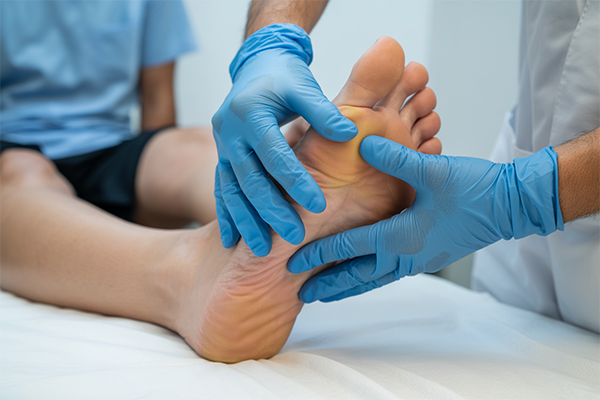
A hands-on physical examination of the foot and ankle will be performed, which includes:
- Palpation of the Achilles tendon to identify areas of tenderness or swelling.
- Assessment of range of motion and strength in the ankle joint.
- Functional tests to evaluate how well the tendon absorbs shock during activities like walking or jumping.
3. Diagnostic Imaging
If necessary, diagnostic imaging such as:
- X-rays: To rule out bone-related injuries (e.g., ruptures).
- Ultrasound: To evaluate the structure of the tendon and identify any tears or degeneration.
- Magnetic Resonance Imaging (MRI): To obtain a detailed view of soft tissues surrounding the tendon when more severe injuries are suspected.
How Can I Treat an Achilles Tendon Injury?
Treatment options vary based on the severity of the injury and may include:
- R.I.C.E. Protocol: Rest, ice, compression, and elevation to alleviate pain and swelling.
- Physical Therapy: Strengthening and stretching exercises focusing on the calf muscles and Achilles tendon.
- Orthotic Devices: Custom foot orthotics to correct foot mechanics and reduce tension on the Achilles tendon.
- Surgical Intervention: In severe cases, surgical repair may be necessary to reattach or clean the damaged tendon.
Why Choose Peak Podiatry in Galway?
At Peak Podiatry, our experienced podiatrists are committed to delivering individualized care tailored to your specific needs. We prioritize an evidence-based approach and utilize advanced diagnostic tools to ensure accurate assessments and effective treatments. Our goal is to support your recovery and get you back on your feet as soon as possible.
FAQs about Achilles Tendon Injuries
1. Can I continue to exercise with an Achilles tendon injury?
It is advisable to rest and avoid activities that exacerbate the pain. Low-impact exercises may be recommended.
2. How long does it take to recover from an Achilles tendon injury?
Recovery time varies based on injury severity; it can range from a few weeks to several months.
3. Are there any specific exercises I can do to strengthen my Achilles tendon?
Yes, eccentric heel drops and calf stretches are beneficial exercises; however, consult a podiatrist for personalized recommendations.
4. What should I look for in running shoes to avoid Achilles injuries?
Ensure your running shoes offer good heel support, cushioning, and fit your foot shape well.
5. When should I seek a podiatrist for my Achilles tendon pain?
Consult a podiatrist if you experience persistent pain, swelling, or difficulty walking, as timely assessment is crucial.
Conclusion
Understanding how Achilles tendon injuries are assessed is vital for athletes and active individuals in Galway facing this common issue. At Peak Podiatry, we are here to help you navigate the recovery process with expert care and tailored treatment plans. If you suspect you have an Achilles tendon injury, don't hesitate to book an appointment with our team today!

Ask Robert And His Team
Fill in the form to request a Call From Our Team
Fill in the form to request a Call From Our Team
One of our team will call you for FREE and answer any questions or concerns you may have about your Foot Pain.
One of our team will call you for FREE and answer any questions or concerns you may have about your Foot Pain.

Where To Find Peak Podiatry Clinic
Ready to take the next step?
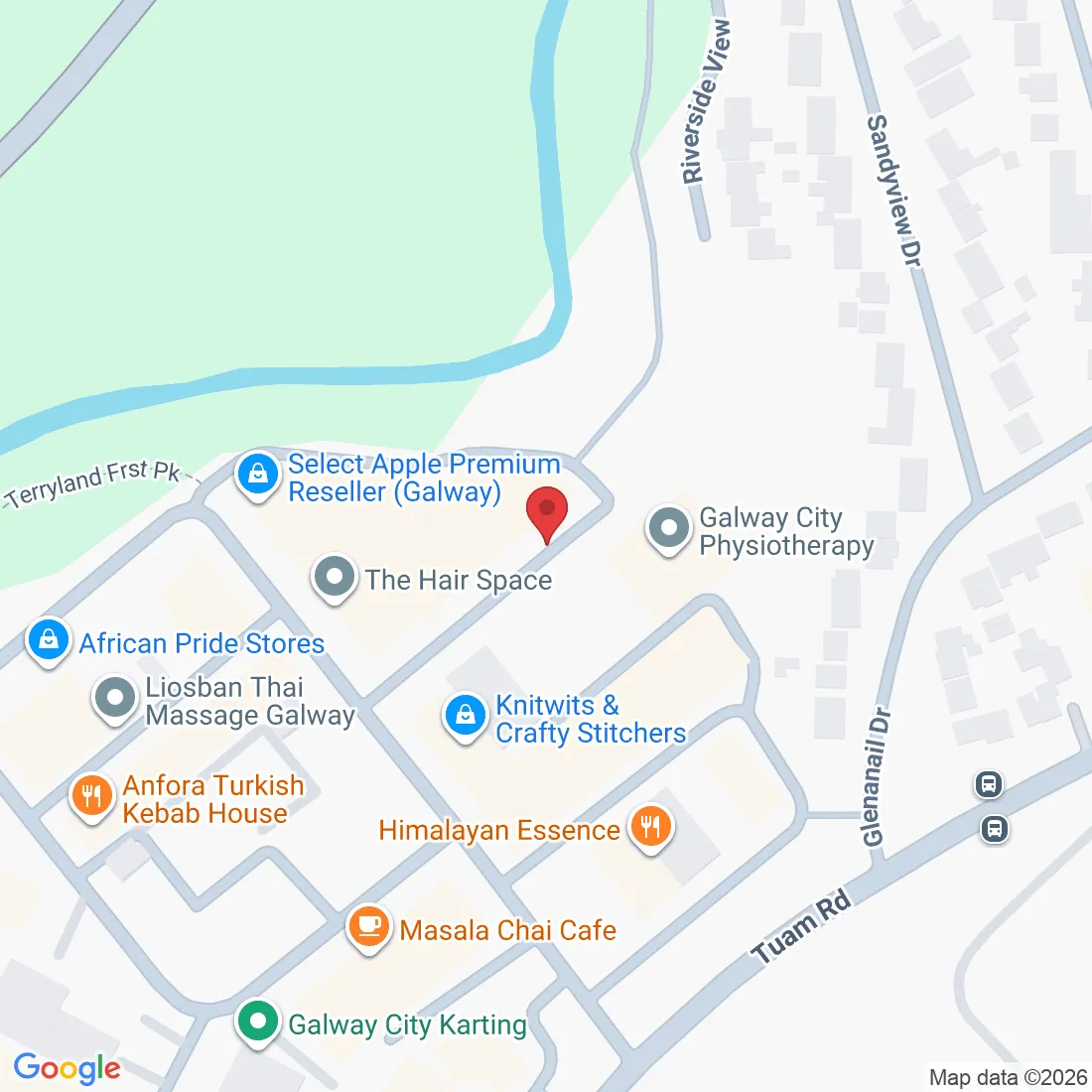
We are conveniently located in Unit 8D Liosban Business Park, Tuam road
Tuam Rd, Galway
Open 8am – 6pm (Mon-Fri)
Free Parking on our doorstep



Legal
How to get in touch
© Copyright 2022. Peak Podiatry All rights reserved.