
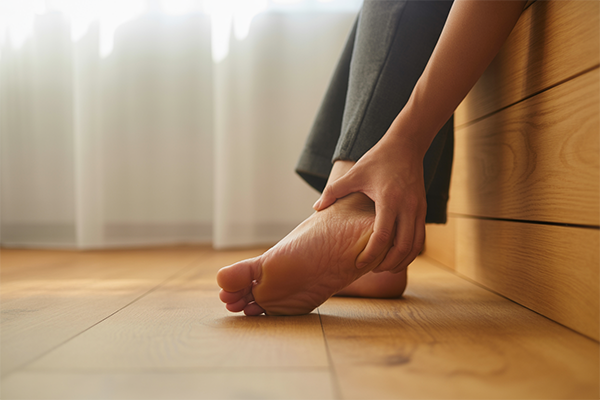
Sports Injury Podiatrist Galway: When Should You Get a Running Injury Assessed?
Introduction to Sports Injuries
Welcome to Peak Podiatry, your premier podiatrist in Galway. If you're an active individual, particularly a runner, you've likely encountered some degree of discomfort or injury. Understanding when to seek professional assessment for running injuries is crucial. This guide aims to provide clarity on the types of injuries that may occur, their symptoms, and when it’s essential to consult a sports injury podiatrist.
Common Running Injuries
Runners can experience a variety of injuries, often due to overuse, poor form, or inadequate footwear. Here are some of the most common conditions:
- Plantar Fasciitis: Characterized by heel pain, particularly upon waking or after long periods of rest.
- Achilles Tendinitis: Pain and stiffness along the Achilles tendon, usually worsening with activity.
- Shin Splints: Medial tibial stress syndrome, leading to pain along the inner shin.
- Knee Pain: Often presented as runner's knee, caused by misalignment or overuse.
- Stress Fractures: Tiny cracks in bones typically occurring in the foot or lower leg due to repetitive stress.
What Causes Running Injuries?
Understanding the causes of running injuries can help you prevent them in the future:
- Inadequate Warm-Up: Failing to prepare your muscles can increase injury risk.
- Ill-Fitting Footwear: Proper running shoes are essential for support and shock absorption.
- Overtraining: Sudden increases in mileage or intensity without proper recovery can lead to injury.
- Poor Running Form: Biomechanical issues can lead to uneven weight distribution, exacerbating injuries.
How Can I Treat Running Injuries?
Initial treatment often includes:
- Rest: Allow your body time to heal; avoid aggravating activities.
- Icing: Apply ice to the affected area to reduce swelling.
- Compression: Use wraps or sleeves to provide support and reduce swelling.
- Elevation: Elevate the injured area to diminish inflammation.
Over-the-counter pain relief, such as non-steroidal anti-inflammatory drugs (NSAIDs), may also be beneficial. However, these are not a substitute for professional advice and assessment.
When Should You See a Sports Injury Podiatrist?
It can be challenging to determine the right time for professional assessment. Consider visiting a podiatrist at Peak Podiatry if you experience:
- Persistent pain that doesn't improve with rest and home care.
- Swelling or bruising that lasts more than a few days.
- Difficulty or inability to weight-bear on the affected leg or foot.
- Any foot or ankle deformity.
- Sharp or acute pain during physical activity.
The Importance of Early Assessment
Early intervention can significantly reduce recovery time and help prevent chronic issues. A podiatrist will conduct a detailed assessment, which may include:
- Physical Examination: Assessing your gait, range of motion, and foot structure.
- Diagnostic Imaging: X-rays or MRI scans may be necessary to diagnose fractures or tears.
- Custom Treatment Plan: Tailored rehabilitation programs, including exercises, orthotics, or referrals to specialists as needed.
Conclusion
If you are in Galway or Limerick and experiencing symptoms from a running injury, don't hesitate to seek professional guidance. At Peak Podiatry, our experienced team is committed to helping you return to your active lifestyle safely and effectively. Don't let a sports injury keep you from the activities you love. Book your appointment today for a thorough assessment and personalized treatment plan.
FAQ
- What should I do if my foot hurts after running? Rest and apply ice. Consult a podiatrist if pain persists.
- How long does it take to recover from a sports injury? Recovery time varies, depending on the injury and adherence to treatment plans.
- Can I continue to run with mild pain? It’s best to stop running and seek advice if the pain does not subside.
- What type of shoes should I wear for running? Proper running shoes should offer support, fit well, and suit your foot type.
- How can I prevent running injuries? Focus on proper warm-up routines, gradual training increases, and using appropriate footwear.

Ask Robert And His Team
Fill in the form to request a Call From Our Team
Fill in the form to request a Call From Our Team
One of our team will call you for FREE and answer any questions or concerns you may have about your Foot Pain.
One of our team will call you for FREE and answer any questions or concerns you may have about your Foot Pain.

Where To Find Peak Podiatry Clinic
Ready to take the next step?
We are conveniently located in Unit 8D Liosban Business Park, Tuam road
Tuam Rd, Galway
Open 8am – 6pm (Mon-Fri)
Free Parking on our doorstep




Legal
How to get in touch
© Copyright 2022. Peak Podiatry All rights reserved.