
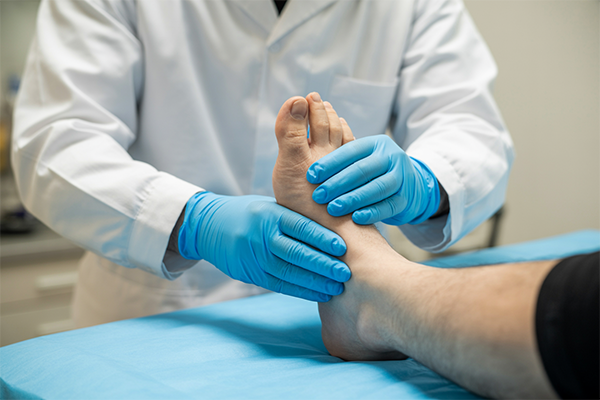
Why Does My Achilles Feel Stiff When I Get Up After Sitting?
Introduction
Are you finding it difficult to move comfortably after sitting due to a stiff Achilles tendon? At Peak Podiatry, located in Galway, we understand how this discomfort can affect your daily life. The Achilles tendon is one of the largest and strongest tendons in your body, acting as a crucial link between your calf muscles and your heel bone. When experiencing stiffness, it's essential to identify the causes and potential treatments. Let's explore why your Achilles may feel stiff after sitting and what you can do to alleviate the discomfort.
What Causes Stiffness in the Achilles Tendon?
Stiffness in the Achilles tendon can result from several factors, typically related to overuse, injury, or underlying conditions. Here are some common causes:
- Tendinitis: Inflammation of the Achilles tendon often occurs due to repetitive stress, particularly in active individuals.
- Tendinosis: Degeneration of the tendon tissue due to chronic overuse or inadequate healing.
- Calf Muscle Tightness: Tightness in the gastrocnemius or soleus muscles can add strain to the Achilles tendon.
- Plantar Fasciitis: This condition can cause compensatory stiffness in the Achilles tendon, leading to discomfort.
- Seated Lifestyle: Prolonged sitting can lead to muscular imbalances and tightness in the Achilles area, exacerbating stiffness.
Understanding the Anatomy of the Achilles Tendon
The Achilles tendon connects the calf muscles (gastrocnemius and soleus) to the posterior of the calcaneus (heel bone). Spanning approximately 15 centimeters in length, it plays a vital role in enabling walking, running, and jumping. When the calf muscles shorten or tighten due to inactivity or injury, the tendon can become stressed, leading to stiffness.
How Can I Treat Achilles Stiffness After Sitting?
Addressing stiffness in the Achilles tendon involves a combination of self-care techniques and professional treatments. Here are effective methods to consider:
- Stretching Exercises: Engage in gentle calf stretches, such as wall stretches and standing heel drops, to enhance flexibility.
- Strengthening Exercises: Gradually incorporate exercises that target the calf and Achilles tendon, such as calf raises, to promote strength.
- Foam Rolling: Use a foam roller on your calf muscles to alleviate muscle tightness and improve circulation.
- Heat Therapy: Apply heat before stretching or mobility exercises to ease stiffness.
- Cold Therapy: Following exercise, use ice packs to reduce inflammation and soothe discomfort.
When Should I See a Podiatrist?
While stiffness can often be managed at home, it's crucial to consult a podiatrist if you experience:
- Persistent pain that does not improve with home treatments.
- Swelling or tenderness along the tendon.
- Restricted mobility or difficulty walking.
- Signs of a tear or rupture (sudden sharp pain followed by a feeling of being kicked in the heel).
At Peak Podiatry in Limerick, our expert podiatrists can conduct a comprehensive assessment to determine the underlying cause of your stiffness and develop a tailored treatment plan.
FAQs About Achilles Tendon Stiffness
1. Can sitting for long periods cause stiffness in the Achilles tendon?
Yes, prolonged sitting can lead to muscle tightness and imbalances, contributing to stiffness in the Achilles tendon.
2. What are the signs of Achilles tendonitis?
Common signs of Achilles tendonitis include pain and stiffness along the tendon, especially in the morning or after periods of inactivity.
3. How long does it take for Achilles tendon stiffness to improve?
Improvement time varies based on the underlying issue and treatment approach, but consistency with stretches and exercises can lead to relief in weeks.
4. Is it safe to continue exercising with Achilles tendon stiffness?
It depends on the severity of your condition. Mild stiffness may allow for modified activity, but significant pain warrants rest and evaluation by a podiatrist.
5. What types of footwear are best for preventing Achilles stiffness?
Footwear with proper arch support and cushioning can reduce strain on the Achilles tendon. Consider shoes specifically designed for your activity, such as running or walking shoes.
Conclusion
If you're experiencing stiffness in your Achilles tendon after sitting, it's essential to understand the underlying causes and seek appropriate treatment. At Peak Podiatry in Galway and Limerick, our team is dedicated to providing evidence-based care tailored to your needs. Don’t let stiffness hinder your mobility—book an appointment today and take the first step towards a healthier, more active lifestyle.

Ask Robert And His Team
Fill in the form to request a Call From Our Team
Fill in the form to request a Call From Our Team
One of our team will call you for FREE and answer any questions or concerns you may have about your Foot Pain.
One of our team will call you for FREE and answer any questions or concerns you may have about your Foot Pain.

Where To Find Peak Podiatry Clinic
Ready to take the next step?
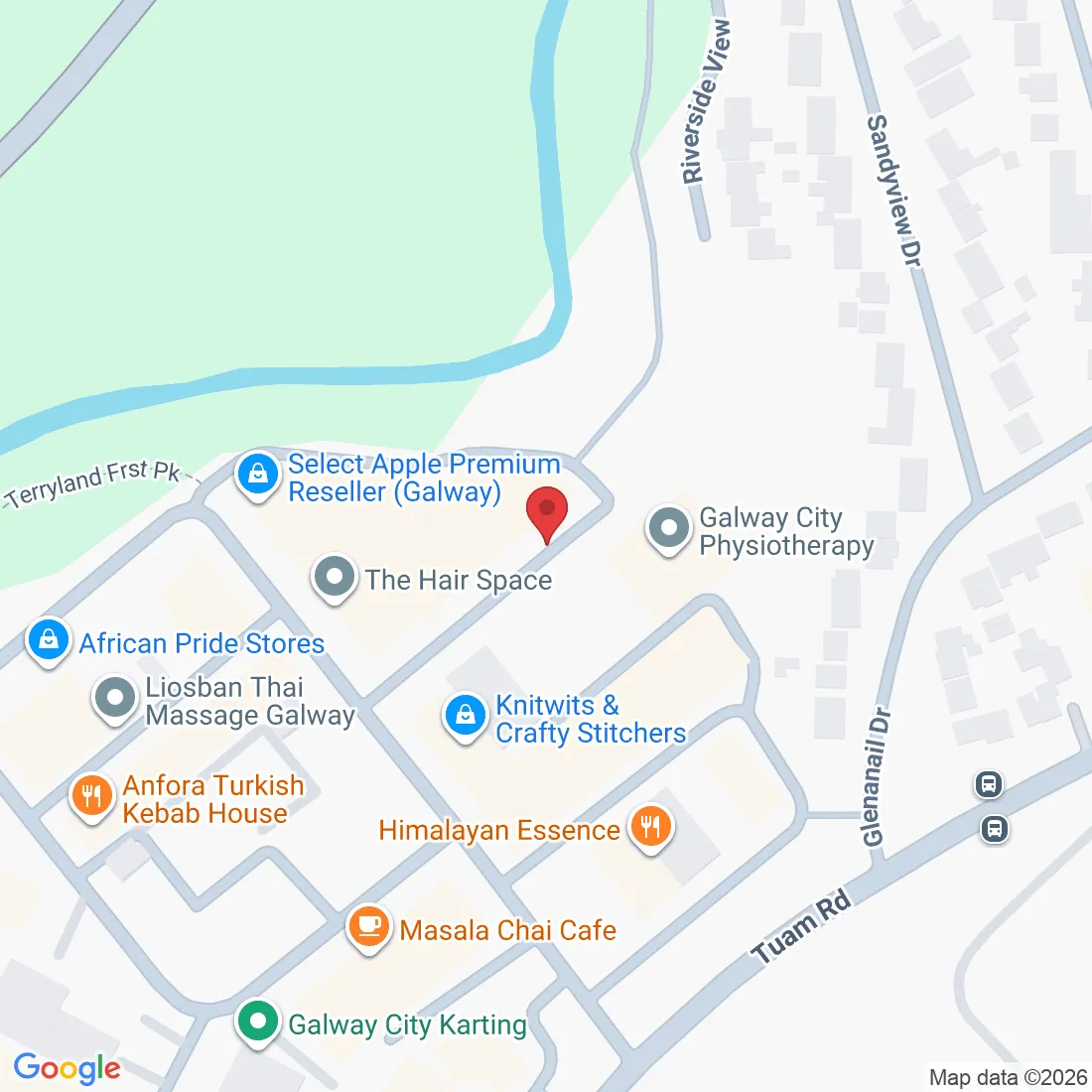
We are conveniently located in Unit 8D Liosban Business Park, Tuam road
Tuam Rd, Galway
Open 8am – 6pm (Mon-Fri)
Free Parking on our doorstep



Legal
How to get in touch
© Copyright 2022. Peak Podiatry All rights reserved.