
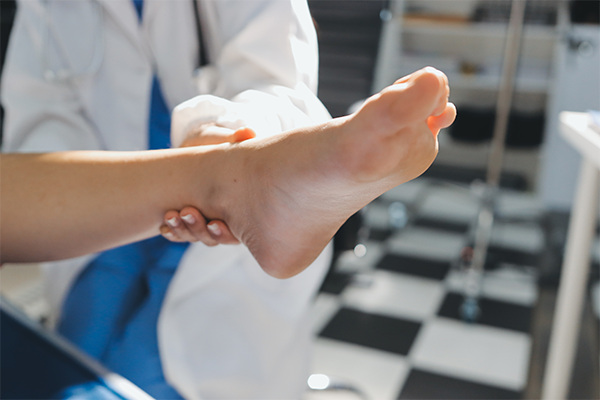
Limerick Foot Clinic Talks Bunions Without Surgery
Limerick Foot Clinic Talks Bunions Without Surgery
At Peak Podiatry, located in the heart of Limerick, we understand that bunions can be a painful and distressing condition for many individuals. Our comprehensive approach focuses on treating bunions effectively without the immediate need for surgical intervention. This article will explore the underlying causes of bunions, nonsurgical treatment options, and how we can help you manage this condition comfortably.
What Are Bunions?
A bunion, medically referred to as hallux valgus, is a bony protrusion that develops at the base of the big toe. This deformity occurs when the big toe tilts towards the second toe, which can lead to various discomforts and complications. As the bunion progresses, it can result in pain, inflammation, and an inability to wear certain types of footwear comfortably.
What Causes Bunions?
Bunions can develop for various reasons, including:
- Genetics: A family history of bunions may increase the likelihood of developing this condition.
- Foot Structure: Individuals with flat feet, high arches, or loose ligaments are more susceptible to bunion formation.
- Footwear Choices: Wearing tight-fitting shoes or high heels can exacerbate bunion development and lead to pain.
- Arthritis: Inflammatory conditions such as rheumatoid arthritis can contribute to the formation of bunions.
How Can I Treat Bunions Without Surgery?
At Peak Podiatry, we prioritize nonsurgical options to manage bunions effectively. Here are several treatments you may consider:
1. Footwear Adjustments
Switching to broader shoes with a roomy toe box can alleviate pressure on the bunion. Look for shoes made from soft materials to reduce friction and prevent worsening the condition.
2. Orthotic Devices
Custom orthotic inserts can provide support and help realign the foot, redistributing pressure away from the bunion. These devices can significantly reduce discomfort while walking or standing.
3. Padding and Taping
Using bunion pads can cushion the area, preventing irritation from footwear. Taping techniques can also help reposition the big toe, reducing pain and improving alignment.
4. Physical Therapy
Targeted exercises can strengthen the muscles around the foot, improving flexibility and alignment. A podiatrist can guide you through specific exercises tailored to your needs.
5. Anti-inflammatory Medications
Over-the-counter nonsteroidal anti-inflammatory drugs (NSAIDs), such as ibuprofen, can help reduce swelling and pain associated with bunions. It is advisable to consult with a healthcare provider before starting any medication.
How Can I Prevent Bunions?
Preventing bunions may be challenging for some, especially those with a genetic predisposition. However, here are some strategies to consider:
- Choose Proper Footwear: Opt for shoes that fit well and offer adequate support.
- Maintain a Healthy Weight: Excess weight can place additional stress on your feet.
- Practice Foot Hygiene: Keeping your feet clean and dry can help prevent additional complications.
- Seek Professional Advice: Regular check-ups at Peak Podiatry can help monitor foot health and address any concerns early on.
When Should I See a Podiatrist?
If you are experiencing persistent pain or discomfort in your feet, especially related to a bunion, it is crucial to seek professional evaluation. Early intervention can help prevent the condition from worsening and may save you from surgical options in the future. At Peak Podiatry in Limerick, our experienced team is here to provide personalized care and comprehensive treatment plans for your foot health.
Frequently Asked Questions (FAQ)
1. Can bunions develop in children?
While more common in adults, bunions can occur in children due to genetic factors or conditions such as flexible flat feet. Early consultation with a podiatrist can help manage the situation effectively.
2. Do bunions always require surgery?
No, many individuals manage bunions successfully without surgery through conservative treatments, such as those outlined above.
3. Is it possible to reverse a bunion without surgery?
While you may not be able to completely reverse a bunion, nonsurgical treatments can help alleviate symptoms and slow the progression of the deformity.
4. How long will nonsurgical treatments take to work?
The time frame for relief varies by individual and treatment choice. Some patients may experience immediate relief, while others may need ongoing care for longer-term benefits.
5. How can I book an appointment at Peak Podiatry?
You can easily book an appointment online through our secure booking system. Visit Peak Podiatry's booking page to schedule your consultation today.
At Peak Podiatry in Limerick, we focus on treating bunions effectively and improving your overall foot health without resorting to surgery. Schedule your appointment today to take the first step toward pain-free feet!

Ask Robert And His Team
Fill in the form to request a Call From Our Team
Fill in the form to request a Call From Our Team
One of our team will call you for FREE and answer any questions or concerns you may have about your Foot Pain.
One of our team will call you for FREE and answer any questions or concerns you may have about your Foot Pain.

Where To Find Peak Podiatry Clinic
Ready to take the next step?
We are conveniently located in Unit 8D Liosban Business Park, Tuam road
Tuam Rd, Galway
Open 8am – 6pm (Mon-Fri)
Free Parking on our doorstep




Legal
How to get in touch
© Copyright 2022. Peak Podiatry All rights reserved.