
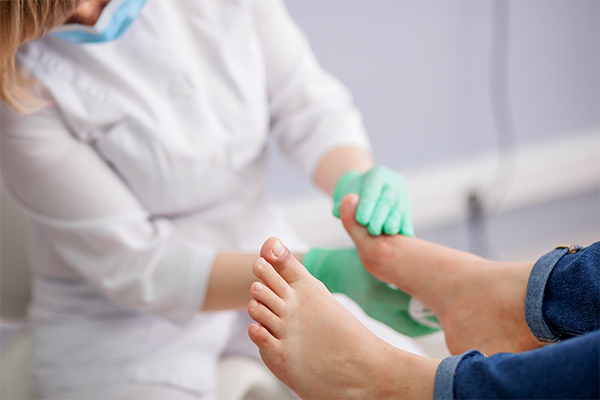
Are High Heels Causing Your Toe Problems? Limerick Weighs In
Introduction
Welcome to Peak Podiatry, your trusted podiatry clinic in Limerick. If you’ve ever experienced toe pain, discomfort, or other foot issues, you might be wondering if your love for high heels is to blame. In this article, we will explore how high heels can lead to various toe problems, the underlying causes, and treatment options available to help maintain your foot health.
What Foot Problems Are Caused by High Heels?
High heels can create a host of foot problems, particularly affecting the toes. Some common issues include:
- Hammertoes: A condition where the middle joint of the toe bends, leading to a claw-like appearance.
- Bunions: A bony bump that forms at the base of the big toe due to misalignment of the joint.
- Metatarsalgia: Pain and inflammation in the ball of the foot, often due to increased pressure from high-heeled footwear.
- Nail Disorders: Ingrown toenails can be exacerbated by high-heeled shoes, which may cause pressure on the toe itself.
- Calluses and Corns: Thickened areas of skin that develop due to friction and pressure from footwear.
Why Do High Heels Lead to These Issues?
High heels force the foot into an unnatural position, putting excessive pressure on the toes and surrounding structures. Here are key reasons why this occurs:
- Altered Biomechanics: High heels elevate the heel, shifting weight forward and altering the normal distribution of pressure across the foot.
- Narrow Toe Box: Many high-heeled shoes feature a narrow toe area, constraining the toes and leading to deformities over time.
- Reduced Shock Absorption: The rigid sole of heels offers minimal cushioning, increasing impact stress on the toes and forefoot.
How Can I Treat Toe Problems Caused by High Heels?
If you are experiencing toe problems due to high heels, here are some recommended treatment options:
- Footwear Modification: Opt for shoes with a wider toe box, lower heels, and more cushioning to alleviate pressure on your toes.
- Orthotic Devices: Custom orthotics can help realign your foot and redistribute weight more effectively.
- Physical Therapy: Engaging in exercises focused on strengthening and stretching the foot can mitigate pain and improve function.
- Medication: Over-the-counter anti-inflammatory medications can alleviate discomfort and swelling associated with toe issues.
- Surgical Intervention: In severe cases, surgical options may be available for conditions such as bunions and hammertoes.
How Can I Prevent Toe Problems When Wearing High Heels?
Prevention is key when it comes to protecting your feet. Use the following tips to minimize the risk of toe problems:
- Limit Wearing High Heels: Try to reserve high-heeled shoes for special occasions rather than daily wear.
- Choose the Right Fit: Make sure your shoes fit correctly; they should not be too tight or too loose.
- Take Breaks: If you must wear heels, try to take breaks to relieve pressure on your feet.
- Invest in Inserts: Gel inserts and pads can provide extra cushioning and support.
- Foot Care Routine: Maintain good foot hygiene and regularly check for any signs of distress or injury.
Conclusion
At Peak Podiatry in Limerick, we understand the balance between fashion and foot health. High heels may be stylish, but they can lead to significant toe problems and discomfort. If you’re experiencing any symptoms or have questions about your foot health, it’s important to seek advice from a medical professional. We’re here to help!
Ready to take the first step towards healthier feet? Book your appointment with Peak Podiatry today! Schedule a visit.
FAQs
1. Can wearing high heels cause permanent foot damage?
Yes, long-term use of high heels can lead to permanent changes in foot structure, including bunions and hammertoes.
2. How often should I give my feet a break from high heels?
Try to alternate wearing high heels with more comfortable footwear as often as possible, ideally every other day.
3. What should I do if I already have bunions?
Consult a podiatrist to discuss treatment options, including conservative management or potential surgery.
4. Are there specific exercises to strengthen my feet after wearing heels?
Yes, exercises such as toe curls, calf stretches, and foot rolling can strengthen and stretch your feet.
5. When should I see a podiatrist for foot pain?
If you experience persistent pain, swelling, or any changes in your feet or toes, it’s best to seek professional help.

Ask Robert And His Team
Fill in the form to request a Call From Our Team
Fill in the form to request a Call From Our Team
One of our team will call you for FREE and answer any questions or concerns you may have about your Foot Pain.
One of our team will call you for FREE and answer any questions or concerns you may have about your Foot Pain.

Where To Find Peak Podiatry Clinic
Ready to take the next step?
We are conveniently located in Unit 8D Liosban Business Park, Tuam road
Tuam Rd, Galway
Open 8am – 6pm (Mon-Fri)
Free Parking on our doorstep




Legal
How to get in touch
© Copyright 2022. Peak Podiatry All rights reserved.