
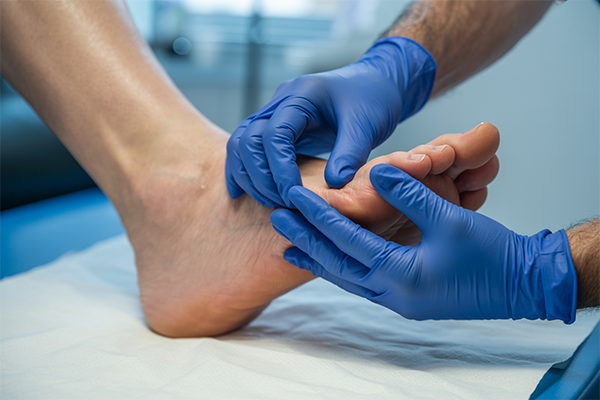
The Best Time to Care for Your Feet
The Best Time to Care for Your Feet
At Peak Podiatry in Galway and Limerick, we understand that foot health is often overlooked until discomfort becomes unbearable. However, proactive foot care is essential for maintaining overall health and preventing future issues. In this article, we’ll explore when and how to care for your feet, the most common foot conditions, and tips for optimizing foot health at every stage of life.
Why is Foot Care Important?
Your feet are complex structures comprising 26 bones, over 30 joints, and more than 100 muscles, tendons, and ligaments. They bear the weight of your entire body and are crucial for mobility and balance. Neglecting foot care can lead to a variety of issues, including:
- Plantar fasciitis
- Ingrown toenails
- Achilles tendonitis
- Foot fungus or infections
- Diabetic foot complications
Understanding when to focus on foot care can help prevent these conditions and improve your quality of life.
When is the Best Time to Care for Your Feet?
Regular Maintenance vs. Immediate Care
Regular foot care is essential, but there are specific times when foot care is particularly important:
- Daily Hygiene: Wash and dry your feet thoroughly every day, especially between the toes, to prevent infections.
- When Changing Footwear: Adjusting to new shoes can cause friction and blisters; consider using protective barriers or properly breaking them in.
- Seasonal Care: Your foot needs change with the seasons; for instance, summer may require more hydration, while winter necessitates more attention to warmth.
- Activity-based Care: Increased physical activity can lead to soreness or injury; consider foot care pre- and post-exercise.
- Before Major Life Changes: Pregnancy, weight loss, or aging can shift your foot structure, necessitating a reassessment of foot care routines.
What Causes Common Foot Problems?
Understanding the underlying causes of foot problems can aid in prevention:
- Plantar Fasciitis: Often caused by overuse, poor footwear choices, or being overweight.
- Ingrown Toenails: Typically caused by improper nail trimming or ill-fitting shoes.
- Fungal Infections: Often arise in damp environments, particularly in communal settings like pools.
- Diabetic Foot Issues: Result from reduced sensation and circulation due to diabetes, leading to infections and ulcers.
How Can I Treat Foot Conditions at Home?
Many foot conditions can be managed at home. Here are some practical self-care treatments:
- Plantar Fasciitis: Stretch your calf muscles and invest in arch supports. Icing your heel can help reduce inflammation.
- Ingrown Toenails: Soak your foot in warm water and use antibiotic ointments to prevent infection. If severe, consult a podiatrist.
- Fungal Infections: Use over-the-counter antifungal creams and ensure your feet stay dry.
- Aching Feet: Elevate your feet and wear supportive footwear to alleviate pain.
When Should You Seek Professional Help?
If home treatments do not yield improvements, or if you experience severe pain, swelling, or signs of infection (such as warmth, redness, or discharge), it's essential to seek professional care from a podiatrist.
At Peak Podiatry, we can provide diagnostic evaluations and tailored treatment plans for a variety of foot conditions, ensuring optimal foot health.
Frequently Asked Questions (FAQ)
1. How often should I have my feet examined?
It is advisable to have a professional foot examination at least once a year, or more frequently if you have underlying health conditions such as diabetes.
2. What type of shoes should I wear for foot health?
Opt for shoes that provide good arch support, cushioning, and a wide toe box to allow for natural foot movement.
3. Are there specific exercises for foot health?
Yes, stretching exercises, toe curls, and balance exercises can strengthen feet and improve flexibility.
4. What can I do about foot odor?
Maintain good hygiene, wear moisture-wicking socks, and ensure your shoes are dry and well-ventilated to reduce foot odor.
5. How can I prevent blisters from new shoes?
Choose well-fitting shoes and consider using blister prevention products like adhesive pads or moleskin on areas prone to friction.
Conclusion
Taking proactive steps to care for your feet can significantly enhance your overall health and well-being. Regular foot hygiene, prompt attention to any discomfort, and professional evaluations at Peak Podiatry in Galway and Limerick can prevent more serious issues down the line. Don’t wait for discomfort to become debilitating — prioritize your foot health today! Book an appointment with us to get started on your path to healthier feet. Schedule your visit now!

Ask Robert And His Team
Fill in the form to request a Call From Our Team
Fill in the form to request a Call From Our Team
One of our team will call you for FREE and answer any questions or concerns you may have about your Foot Pain.
One of our team will call you for FREE and answer any questions or concerns you may have about your Foot Pain.

Where To Find Peak Podiatry Clinic
Ready to take the next step?
We are conveniently located in Unit 8D Liosban Business Park, Tuam road
Tuam Rd, Galway
Open 8am – 6pm (Mon-Fri)
Free Parking on our doorstep




Legal
How to get in touch
© Copyright 2022. Peak Podiatry All rights reserved.