
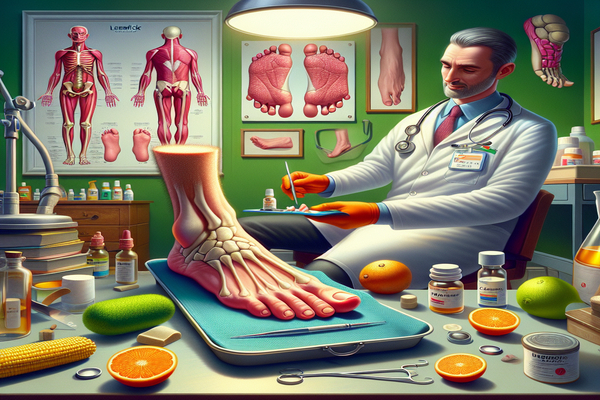
Warts or Corns? Spot the Difference with Limerick’s Help
Warts or Corns? Spot the Difference with Limerick’s Help
At Peak Podiatry, located in Limerick, we often see patients who are unsure whether they are dealing with warts or corns. Though these two foot conditions may appear similar, understanding their differences is essential for effective treatment. In this article, we will explore the characteristics, causes, and treatment options for both warts and corns, helping you make informed decisions about your foot health.
What Are Warts?
Warts are small, benign growths on the skin caused by the human papillomavirus (HPV). They can appear anywhere on the body but are most common on the feet, known as plantar warts. These warts can be painful and often develop on pressure points, such as the heels or the balls of the feet.
What Causes Warts?
Warts develop when the HPV infects the keratinocytes, the cells that make up the outer layer of the skin. The virus is typically transmitted through direct contact with an infected person or surface. Factors that can increase your risk include:
- Walking barefoot in communal areas, such as swimming pools or locker rooms
- Weakened immune system
- Moist skin
What Are Corns?
Corns are thickened areas of skin that form as a protective response to friction and pressure. They are often found on the tops and sides of toes or on the balls of the feet, primarily affecting individuals who wear ill-fitting shoes or have foot deformities.
What Causes Corns?
Corns develop due to repeated pressure or friction on the skin. Common causes include:
- Wearing tight or ill-fitting shoes
- Foot structure abnormalities (e.g., bunions or hammertoes)
- Activities that cause repetitive stress on the feet
How Can You Identify Warts and Corns?
Knowing how to differentiate between warts and corns can help you seek appropriate treatment:
- Appearance: Warts often have a rough, uneven surface with tiny black dots (thrombosed blood vessels), while corns are usually smooth and round with a hard center.
- Location: Warts typically occur on pressure points on the soles, while corns are more common on areas experiencing friction, such as between toes or over bony prominences.
- Pain: Plantar warts can be painful when pressure is applied, whereas corns usually hurt when pressure is placed on the sides.
How Can I Treat Warts?
Treating warts can often be done at home or with the help of a podiatrist. Common treatment options include:
- Over-the-counter treatments with salicylic acid that promote the peeling of the wart
- Freezing treatments (cryotherapy) administered by a healthcare professional
- Prescription antiviral medications if warts are extensive or persistent
How Can I Treat Corns?
The treatment for corns primarily focuses on alleviating pressure and preventing further irritation. Methods include:
- Wearing properly fitting shoes with sufficient cushioning
- Using protective pads to reduce friction on corns
- Regularly moisturizing and exfoliating the skin to prevent thickening
- Consultation with a podiatrist for professional debridement if corns are severe
When Should I See a Podiatrist?
If you’re unsure about whether you have a wart or a corn, or if either condition becomes painful, persistent, or shows signs of infection (like redness, swelling, or pus), it is essential to consult a healthcare professional. At Peak Podiatry in Limerick, our team can provide accurate diagnoses and tailored treatment plans for your foot conditions.
FAQ
1. Can warts be contagious?
Yes, warts are caused by a virus and can spread through direct contact with an infected surface or individual.
2. Are corns dangerous?
No, corns are not dangerous, but they can cause discomfort and lead to other issues if left untreated.
3. Can I remove warts at home?
You can use over-the-counter treatments, but for persistent warts, it's better to consult a podiatrist.
4. Why do corns keep coming back?
Corns often recur due to continued friction or pressure on the affected area, highlighting the need for proper footwear.
5. What foot conditions should I be aware of?
In addition to warts and corns, common conditions include calluses, bunions, and fungal infections; regular check-ups can help identify and treat these issues effectively.
In conclusion, understanding the differences between warts and corns is crucial for effective treatment and foot health. If you’re in Limerick and experiencing symptoms, don’t hesitate to reach out to us at Peak Podiatry. Our team is dedicated to providing you with quality care and the right solutions for your foot concerns. Book your appointment online today!

Ask Robert And His Team
Fill in the form to request a Call From Our Team
Fill in the form to request a Call From Our Team
One of our team will call you for FREE and answer any questions or concerns you may have about your Foot Pain.
One of our team will call you for FREE and answer any questions or concerns you may have about your Foot Pain.
Where To Find Peak Podiatry Clinic
Ready to take the next step?
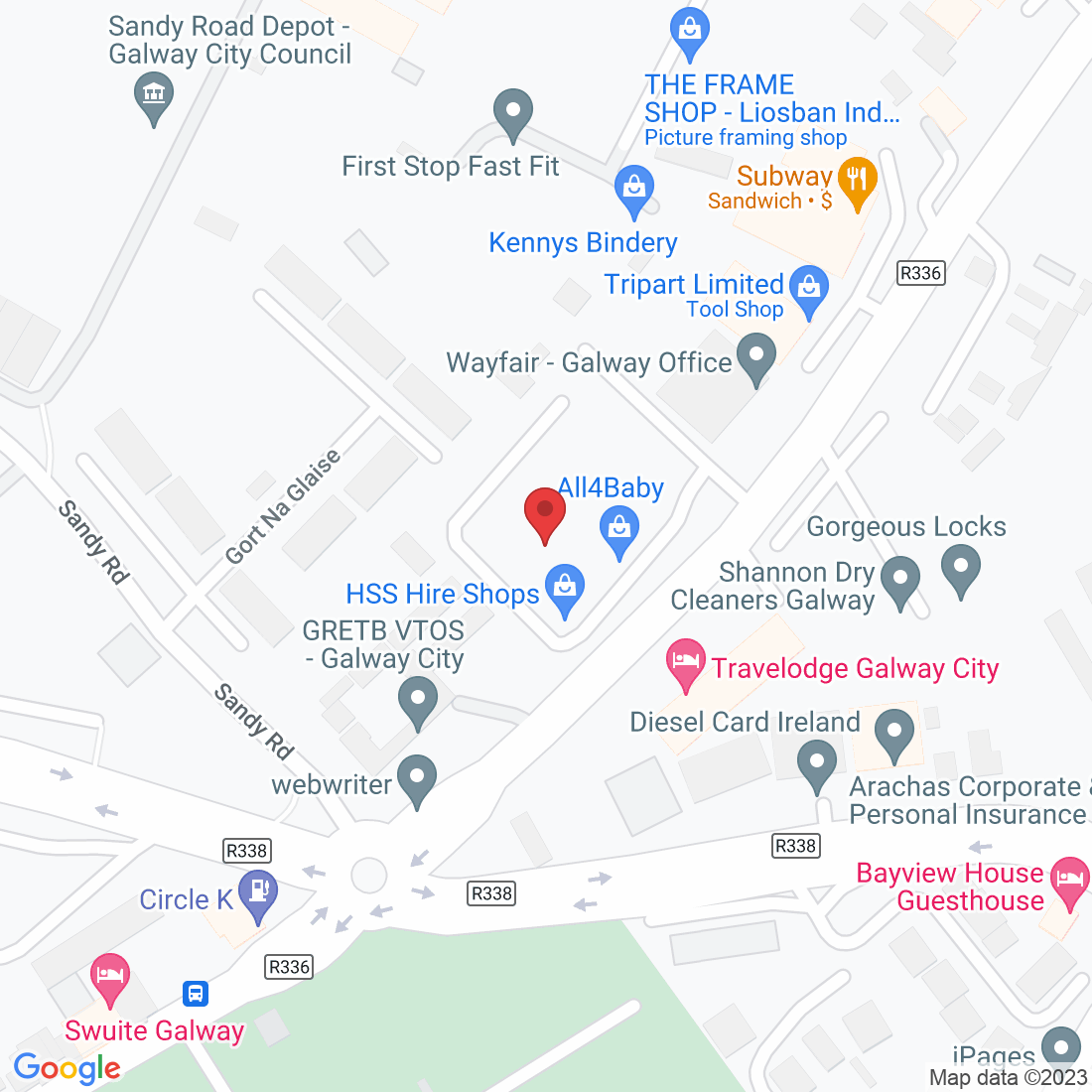
We are conveniently located in Unit 8D Liosban Business Park, Tuam road
Tuam Rd, Galway
Open 8am – 6pm (Mon-Fri)
Free Parking on our doorstep



Legal
How to get in touch
© Copyright 2022. Peak Podiatry All rights reserved.