
What’s the Difference Between a Corn and a Callus? Galway’s Experts Explain
Understanding the Differences Between Corns and Calluses
At Peak Podiatry, serving the Galway and Limerick regions, we often encounter patients who confuse corns and calluses. Both conditions are related to foot health, but they have distinct characteristics and treatment options. In this article, we will delve into their differences, explore their causes, symptoms, and recommended treatments so you can better manage your foot health.
What Are Corns and Calluses?
Corns and calluses are both localized thickened areas of skin that develop in response to friction and pressure on the feet. However, they differ in appearance, location, and sensation.
Corns
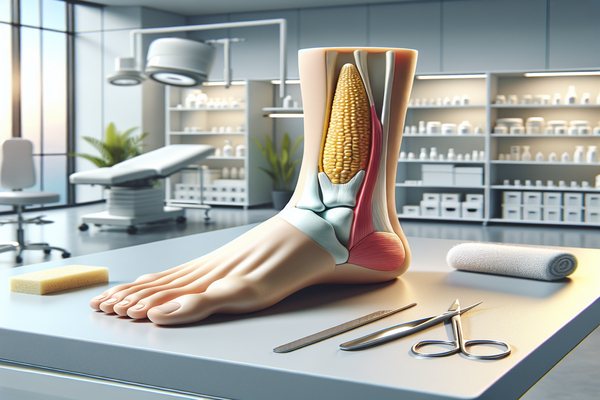
- Definition: Corns, also known as helomas, are small, cone-shaped areas of thickened skin that usually form on the tops or sides of toes.
- Appearance: They are often hard, with a central core that can be quite painful when pressure is applied.
- Common Locations: Corns typically develop on bony prominence areas of the toes.
Calluses
- Definition: Calluses are larger, area-wide patches of thickened skin that form as a protective response to prolonged pressure or friction.
- Appearance: They are generally flat, yellowish in color, and less sensitive than corns.
- Common Locations: Calluses often appear on the soles of the feet, especially in weight-bearing areas such as the ball or heel.
What Causes Corns and Calluses?
The primary cause of both corns and calluses is repeated friction or pressure, typically from ill-fitting shoes or abnormal foot mechanics. Here are some specific causes:
Corns
- Wearing tight or ill-fitting shoes.
- High heels that squeeze the toes together.
- Foot deformities such as bunions or hammer toes.
Calluses
- Prolonged standing, especially on hard surfaces.
- Running or walking barefoot frequently.
- Abnormal gait patterns that increase pressure on certain foot areas.
How Can I Treat Corns and Calluses?
While both conditions can be mitigated with proper care and treatment, it's essential to understand that addressing the underlying causes is crucial to prevent recurrence.
Treating Corns
- Footwear Changes: Opt for well-fitted shoes with a wide toe box.
- Padding: Use corn pads or toe protectors to reduce pressure on affected areas.
- Professional Removal: A podiatrist can safely excise corns to alleviate pain.
Treating Calluses
- Soaking and Exfoliating: Regularly soak feet and use a pumice stone to gently remove dead skin.
- Moisturizing Creams: Apply creams containing urea or salicylic acid to soften the callused skin.
- Orthotics: Custom shoe inserts can redistribute pressure and correct gait abnormalities.
When Should I See a Podiatrist?
If you experience persistent pain, swelling, or changes in color or sensation around your corns or calluses, it's essential to seek professional medical advice. This is especially crucial for individuals with underlying conditions such as diabetes or peripheral vascular disease, as foot complications can arise rapidly.
Frequently Asked Questions (FAQ)
1. Can corns and calluses be prevented?
Yes, preventive measures include wearing properly fitting shoes, using foot pads, and maintaining foot hygiene.
2. Are corns and calluses dangerous?
They are typically not dangerous but can lead to infections if left untreated, particularly in those with diabetes.
3. Can I treat corns and calluses at home?
While minor cases can be managed at home, professional assessment is advised for severe or painful symptoms.
4. How long does it take to treat corns and calluses?
Treatment duration varies; while home remedies may provide relief within weeks, surgery or professional removal may require longer healing times.
5. What should I do if my corn or callus becomes infected?
If you notice signs of infection, such as increased redness, swelling, or discharge, consult a podiatrist immediately.
Conclusion
Understanding the differences between corns and calluses is vital for effective foot health management. At Peak Podiatry, our team in Galway is dedicated to providing you with the knowledge and treatment options you need. If you're experiencing any foot pain or discomfort, do not hesitate to contact us. Schedule an appointment today through our booking link: Book Your Appointment and take the first step toward healthier feet.

Ask Robert And His Team
Fill in the form to request a Call From Our Team
Fill in the form to request a Call From Our Team
One of our team will call you for FREE and answer any questions or concerns you may have about your Foot Pain.
One of our team will call you for FREE and answer any questions or concerns you may have about your Foot Pain.

Where To Find Peak Podiatry Clinic
Ready to take the next step?
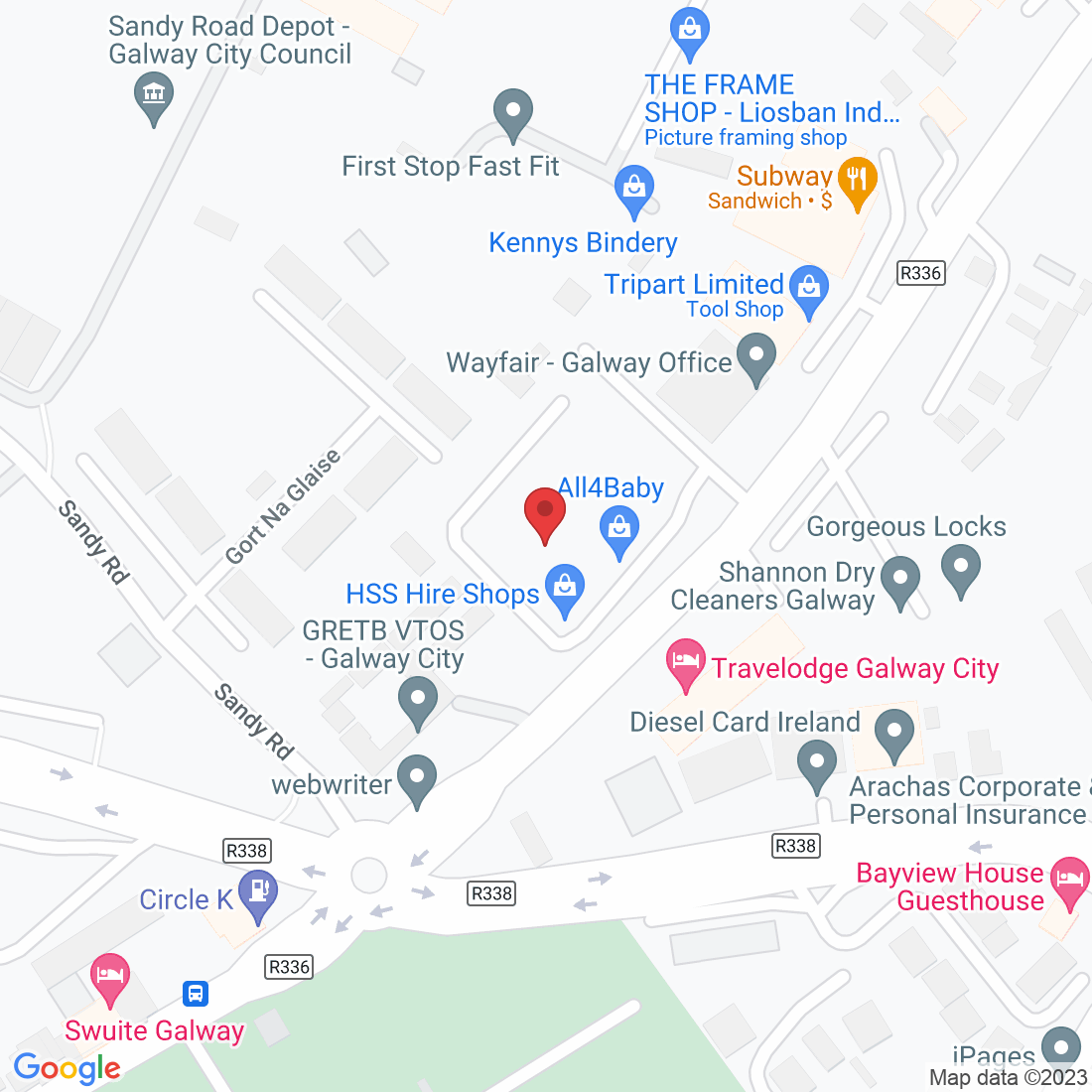
We are conveniently located in Unit 8D Liosban Business Park, Tuam road
Tuam Rd, Galway
Open 8am – 6pm (Mon-Fri)
Free Parking on our doorstep



Legal
How to get in touch
© Copyright 2022. Peak Podiatry All rights reserved.