
What Does a Diabetic Foot Check Involve? Galway’s Approach
Understanding the Importance of Diabetic Foot Checks
At Peak Podiatry in Galway, we understand that managing diabetes is crucial to maintaining overall health. One significant aspect of diabetes management is regular diabetic foot checks. These checks play a vital role in preventing serious foot complications, including ulcers, infections, and even amputations.
What Causes Foot Problems in Diabetic Patients?
Diabetes can lead to various foot problems due to two main complications: neuropathy and peripheral arterial disease (PAD).
- Neuropathy: High blood sugar levels can damage nerves in the feet, leading to a loss of sensation. This means that even minor injuries such as cuts or blisters might go unnoticed, escalating into serious infections.
- Peripheral Arterial Disease (PAD): Diabetes can cause poor circulation, resulting in reduced blood flow to the feet. This can impede healing and increase the risk of infections.
What Happens During a Diabetic Foot Check?
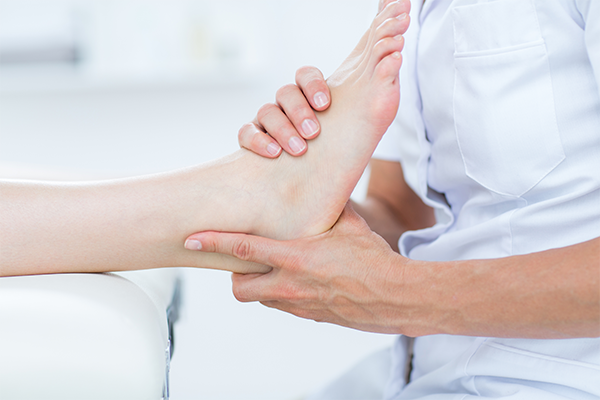
A diabetic foot check is a comprehensive evaluation performed by a qualified podiatrist at Peak Podiatry. Here’s what you can expect:
- Medical History Review: We will start by discussing your medical history, focusing on your diabetes management, any previous foot issues, and existing risk factors.
- Visual Inspection: Our podiatrists will thoroughly inspect your feet for any abnormalities, including blisters, sores, calluses, or fungal infections.
- Sensory Examination: Using specialized tools, we will assess your foot sensitivity to pain, temperature, and vibration, particularly in areas that are prone to numbness.
- Circulation Assessment: We will check the blood flow to your feet by examining pulses and might use a Doppler ultrasound for a more detailed assessment.
- Footwear Evaluation: A review of your current footwear will be conducted to ensure they fit properly and do not contribute to foot problems.
How Often Should Diabetic Foot Checks Be Done?
The frequency of diabetic foot checks varies based on the individual’s risk factors. For those at higher risk of complications, such as patients with neuropathy or previous foot ulcers, checks may be needed every 3 to 6 months. For lower-risk patients, an annual check may suffice. Consulting with our professionals at Peak Podiatry can help you determine the best schedule tailored to your needs.
How Can I Prevent Foot Complications?
Prevention plays a crucial role in managing foot health as a diabetic. Here are some key strategies:
- Regular Foot Inspections: Inspect your feet daily for any signs of injury, redness, or swelling.
- Maintain Blood Sugar Levels: Keeping your blood glucose within recommended ranges can help reduce neuropathy risk and improve circulation.
- Wear Appropriate Footwear: Choose well-fitting shoes that provide adequate support; avoid walking barefoot.
- Moisturise: Apply moisturizer to your feet to prevent dry skin and cracking, but avoid the area between the toes to prevent fungal infections.
- Quit Smoking: Smoking contributes to poor circulation, further elevating the risk of foot problems.
When Should I Seek Medical Attention?
It is essential to seek immediate medical attention if you notice any of the following:
- Redness, swelling, or warmth in your feet
- New numbness or tingling sensations
- Non-healing wounds or sores
- Change in skin color or temperature
Frequently Asked Questions (FAQ)
1. What should I do if I have a foot sore?
Contact our clinic immediately for an evaluation. Prompt treatment is critical to prevent further complications.
2. Can I perform foot checks at home?
Yes, you can! Daily self-examinations are crucial. Look for cuts, sores, or any changes in appearance.
3. What types of footwear are best for diabetic patients?
Footwear should be supportive, cushioned, and well-fitting. Avoid high heels and narrow shoes.
4. Are diabetic foot checks covered by insurance?
Many health insurance plans cover diabetic foot checks, but it's best to check with your provider for specifics.
5. Can diabetes cause hammertoes or bunions?
Yes, diabetes can lead to foot deformities like hammertoes and bunions due to nerve damage and poor circulation.
Conclusion
At Peak Podiatry in Galway, we prioritize your foot health as part of your overall diabetes management. Regular diabetic foot checks are essential to prevent serious complications. If you’re due for your check-up or have concerns about your foot health, we invite you to book an appointment with us today.

Ask Robert And His Team
Fill in the form to request a Call From Our Team
Fill in the form to request a Call From Our Team
One of our team will call you for FREE and answer any questions or concerns you may have about your Foot Pain.
One of our team will call you for FREE and answer any questions or concerns you may have about your Foot Pain.

Where To Find Peak Podiatry Clinic
Ready to take the next step?
We are conveniently located in Unit 8D Liosban Business Park, Tuam road
Tuam Rd, Galway
Open 8am – 6pm (Mon-Fri)
Free Parking on our doorstep




Legal
How to get in touch
© Copyright 2022. Peak Podiatry All rights reserved.