
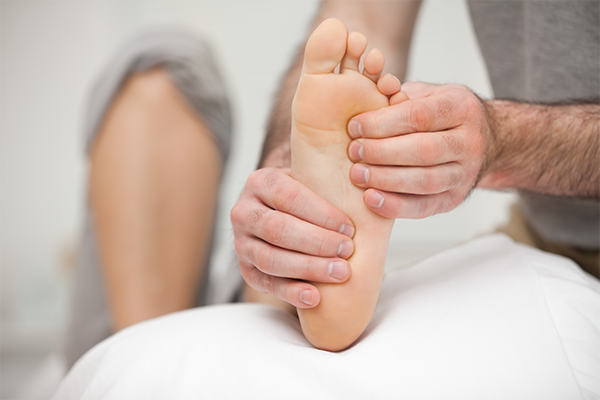
When Foot Pain Travels Up the Leg (Galway)
Introduction
If you live in Galway or Limerick and are experiencing foot pain that travels up your leg, you are not alone. Many people face this challenge, and understanding the connection between foot and leg pain is crucial for effective treatment. At Peak Podiatry, we specialize in diagnosing and treating foot and lower leg conditions, helping our patients regain mobility and reduce discomfort.
What Causes Foot Pain That Travels Up the Leg?
Foot pain can radiate upwards for a variety of reasons. Here are some common causes:
- Plantar Fasciitis: This condition involves inflammation of the plantar fascia, leading to heel pain that may radiate up the leg.
- Achilles Tendinitis: Inflammation of the Achilles tendon can cause pain in the heel and calf, which may extend up towards the knee.
- Peripheral Neuropathy: Nerve damage, often related to diabetes, can lead to foot pain that feels like it travels up the leg.
- Biomechanical Issues: Structural problems in the foot, such as flat feet, can result in pain and compensatory issues affecting the legs.
- Injuries: Sprains, fractures, or conditions such as shin splints can cause pain that originates in the foot and is felt higher up in the leg.
How Does Anatomy Impact Foot Pain and Leg Discomfort?
The anatomy of the foot and leg is intricate and interconnected. Various structures contribute to foot pain that travels upwards:
- Muscles: Muscles in the calf and foot work in unison. When one is injured or inflamed, it can lead to discomfort in surrounding areas.
- Nerves: Nerves that run from the foot through the leg can be affected by conditions like sciatica, resulting in pain that extends from the foot upwards.
- Fascia and Tendons: Tension and stress in these connective tissues can cause pain to manifest in different areas of the leg.
What Are the Symptoms of Foot Pain That Travels Up the Leg?
Patients may experience a variety of symptoms including:
- Dull, aching pain that moves from the foot through the calf and into the thigh.
- Numbness or tingling sensations in the foot and leg.
- Swelling in the foot, ankle, or leg.
- Increased pain during activity or prolonged standing.
- Stiffness in the leg muscles or joints.
How Can I Treat Foot Pain That Travels Up the Leg?
Effective treatment for this type of pain often involves a combination of approaches:
- Rest and Ice: Initial rest and applying ice can help reduce inflammation and pain.
- Physical Therapy: Customized exercises can strengthen muscles and improve flexibility.
- Orthotic Devices: Custom-made inserts can provide support and alleviate biomechanical issues.
- Pain Relief Medications: Over-the-counter NSAIDs like ibuprofen can help manage pain and inflammation.
- Consultation with a Podiatrist: A professional assessment is essential for an accurate diagnosis and tailored treatment plan.
When Should I See a Podiatrist?
If you experience persistent foot pain that travels up your leg, it is important to seek professional help. Indications that you should schedule an appointment include:
- Severe pain that disrupts daily activities.
- Noticeable swelling or discoloration in the foot or leg.
- Numbness or weakness that spreads.
- Any signs of infection, such as redness or fever.
Frequently Asked Questions (FAQ)
1. Can foot pain really affect my leg?
Yes, foot pain can radiate up the leg due to interconnected nerves, muscles, and tendons. Conditions like plantar fasciitis or Achilles tendinitis can cause discomfort that extends beyond the foot.
2. What exercises can I do for foot and leg pain?
Gentle stretching exercises, calf raises, and ankle circles can be beneficial. However, it's essential to consult with a podiatrist or physiotherapist for a tailored exercise program.
3. What types of footwear should I avoid to prevent foot pain?
Footwear that lacks support, does not fit well, or is too tight can exacerbate foot pain. High heels and flat shoes without arch support are common culprits.
4. How long does it typically take to recover from foot pain?
Recovery time varies based on the underlying condition and severity of the pain. Most minor injuries respond to treatment within a few weeks, while chronic conditions may require ongoing management.
5. Is surgery ever needed for foot pain?
Surgery is usually a last resort and is only considered when conservative treatments fail. A detailed evaluation by a podiatrist will help determine the best course of action.
Conclusion
Addressing foot pain that travels up the leg is vital for maintaining mobility and overall health. If you are experiencing such symptoms, don’t hesitate to reach out for professional advice. At Peak Podiatry, located in Galway, we are dedicated to providing evidence-based care tailored to your needs. Book your appointment today and take the first step towards a pain-free future.

Ask Robert And His Team
Fill in the form to request a Call From Our Team
Fill in the form to request a Call From Our Team
One of our team will call you for FREE and answer any questions or concerns you may have about your Foot Pain.
One of our team will call you for FREE and answer any questions or concerns you may have about your Foot Pain.

Where To Find Peak Podiatry Clinic
Ready to take the next step?
We are conveniently located in Unit 8D Liosban Business Park, Tuam road
Tuam Rd, Galway
Open 8am – 6pm (Mon-Fri)
Free Parking on our doorstep




Legal
How to get in touch
© Copyright 2022. Peak Podiatry All rights reserved.