
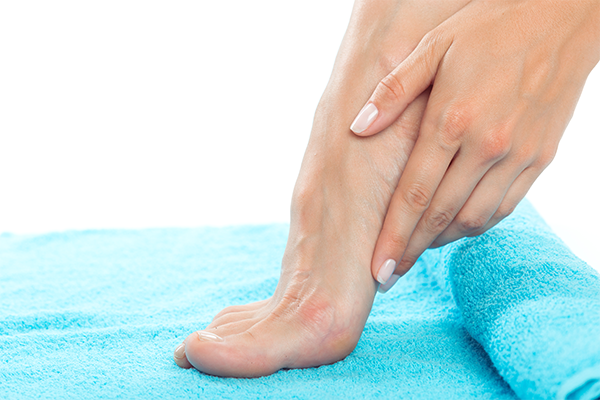
Why Prevention Is Better Than Treatment
Introduction
At Peak Podiatry, located in the heart of Galway, we understand that foot health is often overlooked. Most individuals wait until a condition becomes painful before seeking treatment. However, prevention is always better than treatment, especially when it comes to your feet. This article explores why taking proactive measures is essential for maintaining optimal foot health and preventing serious conditions from developing.
What Causes Common Foot Conditions?
Numerous factors can contribute to foot conditions, including:
- Improper Footwear: Shoes that do not provide adequate support can lead to problems such as bunions, plantar fasciitis, and calluses.
- Inactivity: A sedentary lifestyle can weaken foot muscles, increasing the risk of injuries.
- Genetics: Some individuals are more predisposed to certain foot conditions due to heredity.
- Medical Conditions: Conditions like diabetes and arthritis can significantly impact foot health.
How Can I Prevent Foot Problems?
Preventative care is crucial for maintaining the health of your feet. Here are some effective strategies:
- Wear Proper Footwear: Choose shoes that fit well and provide adequate support. This can prevent various conditions including plantar fasciitis and bunions.
- Maintain Foot Hygiene: Regularly wash and dry your feet thoroughly. This helps in preventing fungal infections and other skin conditions.
- Stay Active: Ensure you engage in activities that strengthen the muscles of your feet and improve your overall balance.
- Regular Foot Check-ups: Routine visits to a podiatrist, such as those at Peak Podiatry in Galway, can help catch potential problems early.
What Are Common Foot Conditions?
Here are several common conditions that can arise due to neglect:
- Plantar Fasciitis: Inflammation of the plantar fascia, causing heel pain, often linked to improper footwear and overuse.
- Achilles Tendonitis: Overuse or injury to the Achilles tendon can cause pain and swelling. This is often seen in runners who abruptly increase their activity levels.
- Diabetic Foot Ulcers: Individuals with diabetes are at a higher risk of foot ulcers due to nerve damage and poor circulation.
- Bunions: A common foot deformity characterized by a bony bump on the joint at the base of the big toe, often caused by inherited foot structure or wearing ill-fitting shoes.
How Can I Treat Common Foot Conditions?
While prevention is key, early treatment of foot conditions is important if they occur. Some treatment approaches include:
- Over-the-Counter Pain Relief: Non-steroidal anti-inflammatory drugs (NSAIDs) can help manage pain and inflammation.
- Physical Therapy: Professional therapy can help strengthen foot muscles and improve flexibility.
- Custom Orthotics: Prescription foot orthotics can provide support and relieve discomfort from structural issues.
- Medical Intervention: For severe cases, medical procedures may be necessary. Consulting a podiatrist is crucial for assessing your condition.
What Should You Look for in Footwear?
Choosing the right shoes can prevent many foot problems. Look for:
- Proper Fit: Ensure the shoe has enough room for your toes and offers a snug fit around the heel.
- Arch Support: Select shoes that provide adequate arch support to prevent pain and injury.
- Cushioning: Opt for shoes that offer sufficient cushioning to absorb shock while walking or running.
Conclusion
Maintaining foot health is crucial for overall well-being. By adopting preventative measures and prioritizing routine check-ups at Peak Podiatry in Galway, you can significantly reduce the risk of developing serious foot conditions. Remember, prevention is always better than treatment; make foot health a priority in your life!
FAQ
1. What are some signs I should see a podiatrist?
If you experience persistent pain, swelling, or changes in nail color, it may be time to consult a podiatrist.
2. How often should I get my feet checked?
It is recommended to get your feet checked at least once a year, especially if you have diabetes or other health concerns.
3. Can I treat foot problems at home?
While some minor issues may be managed at home, a professional consultation is crucial for proper diagnosis and treatment of serious conditions.
4. What is the best way to prevent blisters?
Wearing well-fitted shoes and moisture-wicking socks can help prevent blisters during physical activities.
5. How can I improve foot strength?
Engaging in exercises that focus on foot flexibility and strength, such as toe curls or picking up marbles with your toes, can help.
Ready to take charge of your foot health? Schedule your appointment today at Peak Podiatry in Galway by clicking on the link: Book Now.

Ask Robert And His Team
Fill in the form to request a Call From Our Team
Fill in the form to request a Call From Our Team
One of our team will call you for FREE and answer any questions or concerns you may have about your Foot Pain.
One of our team will call you for FREE and answer any questions or concerns you may have about your Foot Pain.

Where To Find Peak Podiatry Clinic
Ready to take the next step?
We are conveniently located in Unit 8D Liosban Business Park, Tuam road
Tuam Rd, Galway
Open 8am – 6pm (Mon-Fri)
Free Parking on our doorstep




Legal
How to get in touch
© Copyright 2022. Peak Podiatry All rights reserved.