

The Benefits of Early Intervention (Limerick)
The Benefits of Early Intervention
At Peak Podiatry in Limerick, we believe that the key to effective foot health is early intervention. Many individuals underestimate the importance of addressing foot conditions promptly. In fact, recognizing and treating foot ailments as soon as they arise can prevent more serious complications down the line. In this blog, we will discuss the various advantages of early intervention in podiatry, along with common foot conditions, potential treatments, and the anatomy involved.
What Causes Common Foot Conditions?
Foot conditions can arise from numerous factors, including genetics, age, lifestyle, and trauma. Some prevalent conditions that can benefit significantly from early intervention include:
- Plantar Fasciitis: Inflammation of the plantar fascia, causing heel pain.
- Achilles Tendinitis: An overuse injury affecting the Achilles tendon, leading to heel and calf pain.
- Hallux Valgus (Bunions): A bony bump on the joint at the base of the big toe, causing discomfort and misalignment.
- Flat Feet: A condition where the arch of the foot collapses, leading to pain and instability.
- Nail Issues: Conditions like ingrown toenails or fungal infections can escalate without timely treatment.
How Can Early Intervention Help?
Investing in early treatment of foot conditions can result in various benefits, including:
1. Preventing Complications
Unattended foot problems can escalate into more serious conditions. For example, untreated plantar fasciitis can lead to chronic pain that affects gait and balance, potentially resulting in injuries to other body areas.
2. Reducing Treatment Time and Costs
Early intervention often requires less invasive treatment options. For instance, starting conservative treatment for Achilles tendinitis, such as rest and physical therapy, can eliminate the need for surgical solutions that may be necessary if treatment is delayed.
3. Enhancing Quality of Life
Addressing foot pain or dysfunction early can significantly improve mobility and comfort, enabling individuals to engage in daily activities without limitation. This is particularly important for the elderly and those who lead active lifestyles.
4. Maintaining Proper Foot Functionality
Many foot conditions can interfere with your ability to walk, run, or simply stand comfortably. Early intervention aims to restore normal foot function, preventing compensatory mechanisms that can lead to other musculoskeletal problems.
What Are Effective Treatment Options?
Treatment options for foot conditions vary based on the diagnosis, severity, and patient needs. Some effective interventions offered at Peak Podiatry include:
- Physical Therapy: Tailored exercises and stretches to strengthen foot muscles and alleviate pain.
- Orthotic Devices: Custom foot orthotics to provide support and correction for structural issues.
- Medication: Anti-inflammatory medications to manage pain and swelling.
- Injections: Corticosteroid injections for chronic inflammation.
- Surgical Options: Surgical intervention may be considered in severe cases, such as bunionectomy for significant hallux valgus.
How Can I Recognize When to Seek Treatment?
It's imperative to be aware of the signals your body sends. If you experience persistent foot pain, changes in foot structure (like the development of bunions), or repeated instances of discomfort, it’s time to seek professional help. Regular check-ups with a podiatrist can proactively identify potential foot problems before they escalate.
FAQs About Early Intervention in Podiatry
1. What are the first signs I should watch for?
Early signs include constant pain, swelling, difficulty walking, or changes in nail appearance.
2. Is it common to ignore foot pain?
Yes, many people dismiss foot pain as a normal part of aging, which can lead to severe complications.
3. How often should I visit a podiatrist?
It’s recommended to have an annual foot check-up, or more frequently if you have existing foot conditions.
4. Can flat feet be corrected?
Yes, with the appropriate orthotics and physical therapy, many individuals can alleviate the complications associated with flat feet.
5. What is the role of orthotics in treatment?
Orthotics help support the foot, improve alignment, and distribute pressure evenly, thereby reducing pain and preventing further issues.
Conclusion
At Peak Podiatry in Limerick, we emphasize the importance of early intervention in managing foot health. By recognizing symptoms and seeking timely treatment, you can enjoy a higher quality of life and prevent severe conditions from developing. If you're experiencing any foot pain or discomfort, don’t hesitate to book an appointment with us today to assess your situation and develop an appropriate treatment plan.

Ask Robert And His Team
Fill in the form to request a Call From Our Team
Fill in the form to request a Call From Our Team
One of our team will call you for FREE and answer any questions or concerns you may have about your Foot Pain.
One of our team will call you for FREE and answer any questions or concerns you may have about your Foot Pain.

Where To Find Peak Podiatry Clinic
Ready to take the next step?
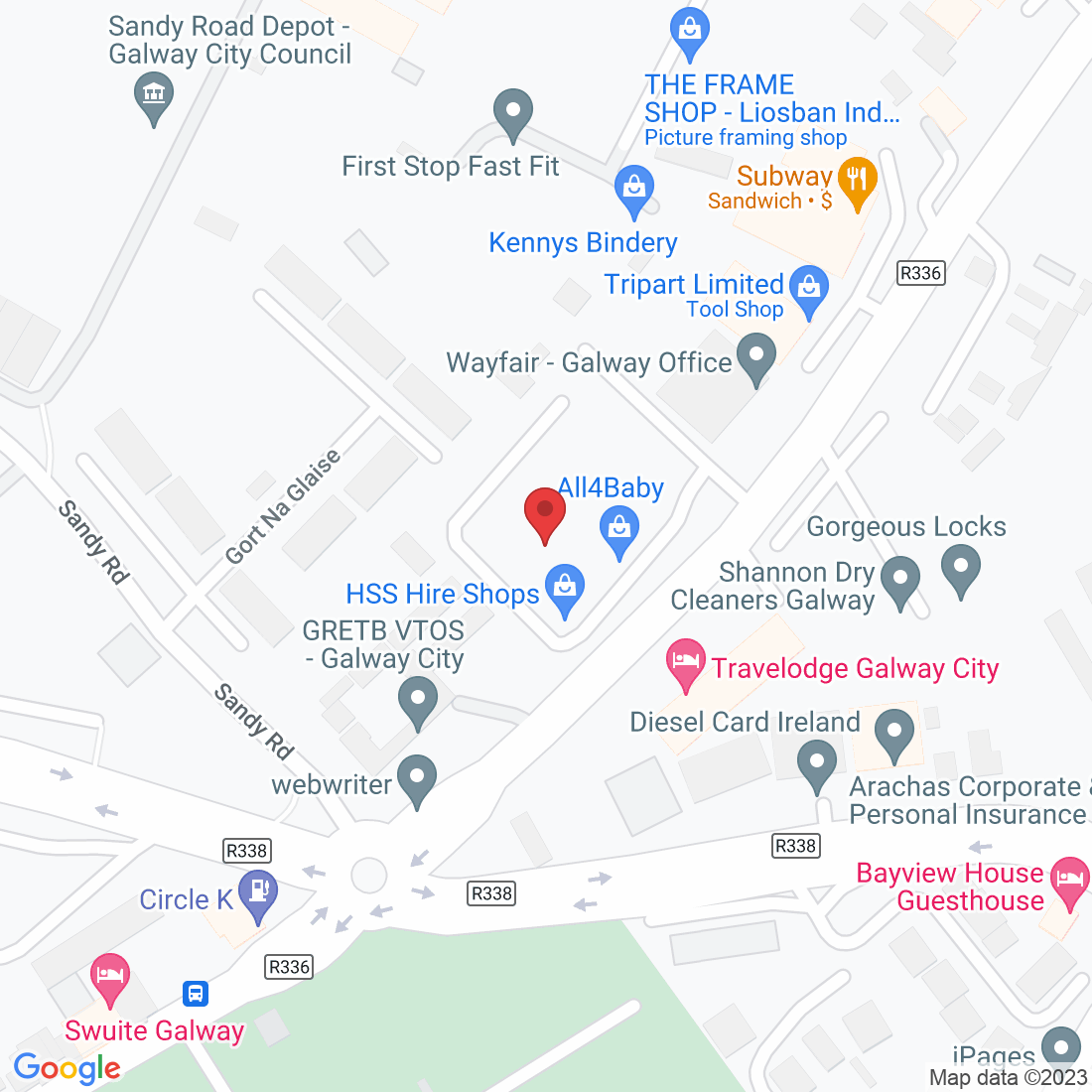
We are conveniently located in Unit 8D Liosban Business Park, Tuam road
Tuam Rd, Galway
Open 8am – 6pm (Mon-Fri)
Free Parking on our doorstep



Legal
How to get in touch
© Copyright 2022. Peak Podiatry All rights reserved.