
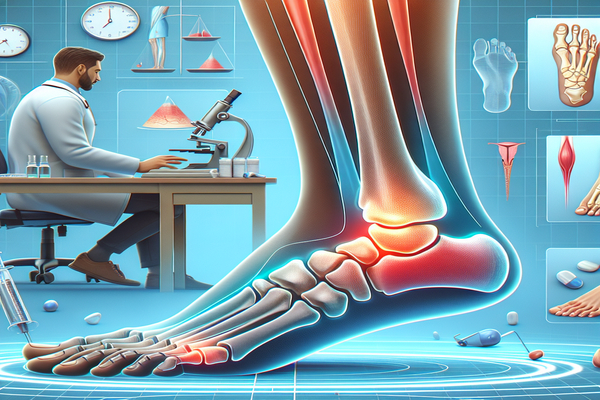
Plantar Fasciitis or Achilles Tendonitis? Key Differences Explained
Understanding Plantar Fasciitis and Achilles Tendonitis
If you are experiencing heel pain or discomfort in your foot, you may be wondering whether it is due to plantar fasciitis or Achilles tendonitis. At Peak Podiatry, located in Galway, we are here to help you navigate these common conditions. Understanding the key differences between plantar fasciitis and Achilles tendonitis is essential for effective treatment and recovery.
What Causes Plantar Fasciitis?
Plantar fasciitis is a condition characterized by inflammation of the plantar fascia, the thick band of tissue that runs across the bottom of your foot from your heel to your toes. Common causes include:
- Excessive Walking or Running: Activities that put undue stress on your feet can lead to irritation.
- Poor Foot Mechanics: High arches or flat feet can contribute to abnormal stress distribution.
- Obesity: Excess weight increases the load on your plantar fascia.
- Worn-Out Footwear: Shoes lacking arch support can exacerbate the condition.
What Causes Achilles Tendonitis?
Achilles tendonitis involves inflammation of the Achilles tendon, which connects the calf muscles to the heel bone. It may be caused by:
- Overuse: Activities that involve repetitive strain, particularly running or jumping.
- Age: The Achilles tendon becomes less flexible as we age.
- Poor Footwear: Inadequate shoe support can lead to tendon strain.
- Injury: Sudden increases in activity level can result in acute injuries.
How Can I Identify Plantar Fasciitis Symptoms?
The symptoms of plantar fasciitis typically include:
- Sharp, stabbing pain in the heel, especially with the first steps in the morning or after long periods of sitting.
- Pain that worsens after exercising but not during the activity.
- Tightness or discomfort across the bottom of the foot.
How Can I Identify Achilles Tendonitis Symptoms?
Key symptoms of Achilles tendonitis may involve:
- Pain along the back of the heel and in the tendon, especially following exercise.
- Stiffness in the morning, which improves with movement.
- Swelling and tenderness along the tendon.
How Are Plantar Fasciitis and Achilles Tendonitis Diagnosed?
Both conditions are typically diagnosed through:
- Physical Examination: A podiatrist will assess your foot structure and flexibility.
- Medical History: Discussions regarding pain onset, duration, and activities.
- Imaging Tests: X-rays or MRI may be used if there is concern about a tear or other injury.
How Can I Treat Plantar Fasciitis?
Treatment for plantar fasciitis often includes:
- Rest: Avoiding high-impact activities to reduce strain.
- Ice Therapy: Applying ice packs to the heel to reduce inflammation.
- Stretching Exercises: Targeting the calf and plantar fascia to improve flexibility.
- Orthotics: Custom insoles can provide support and alignment.
- Corticosteroid Injections: In some cases, injections may be required to alleviate severe pain.
How Can I Treat Achilles Tendonitis?
Common treatment options for Achilles tendonitis include:
- Rest: Reducing activities that stress the tendon.
- Compression: Using an elastic bandage to reduce swelling.
- Physical Therapy: Strengthening exercises to support the tendon.
- Orthotics: Arch supports to alleviate pressure on the tendon.
- Surgery: Rarely required, only in severe cases where conservative treatment fails.
When Should I See a Podiatrist?
If you are experiencing persistent pain or discomfort in your foot or heel, it is essential to seek professional help. At Peak Podiatry in Limerick, our skilled podiatrists can evaluate your condition and recommend the most effective treatment plan tailored to your needs.
Frequently Asked Questions (FAQ)
- Can plantar fasciitis and Achilles tendonitis occur simultaneously?
Yes, individuals with one condition may develop the other due to compensatory movements or altered biomechanics. - How long does recovery take for each condition?
Recovery can vary; plantar fasciitis generally improves within a few months, while Achilles tendonitis may take longer, often several months depending on the severity. - Are there specific stretches to help with these conditions?
Yes, stretching the calf muscles and plantar fascia can significantly benefit recovery for both conditions. - Is surgery common for these conditions?
Most cases are treated conservatively, but surgery may be considered in chronic cases that do not respond to other treatments. - What footwear is best for prevention?
Choosing supportive shoes with good arch support and cushioning is crucial for both conditions to prevent injury.
Conclusion
Understanding the distinctions between plantar fasciitis and Achilles tendonitis can significantly impact your treatment outcomes. If you are in Galway or Limerick and experiencing discomfort, Peak Podiatry is here to assist you with expert care and treatment options. Don’t let foot pain slow you down—book an appointment today to start your journey to recovery!

Ask Robert And His Team
Fill in the form to request a Call From Our Team
Fill in the form to request a Call From Our Team
One of our team will call you for FREE and answer any questions or concerns you may have about your Foot Pain.
One of our team will call you for FREE and answer any questions or concerns you may have about your Foot Pain.

Where To Find Peak Podiatry Clinic
Ready to take the next step?
We are conveniently located in Unit 8D Liosban Business Park, Tuam road
Tuam Rd, Galway
Open 8am – 6pm (Mon-Fri)
Free Parking on our doorstep




Legal
How to get in touch
© Copyright 2022. Peak Podiatry All rights reserved.