
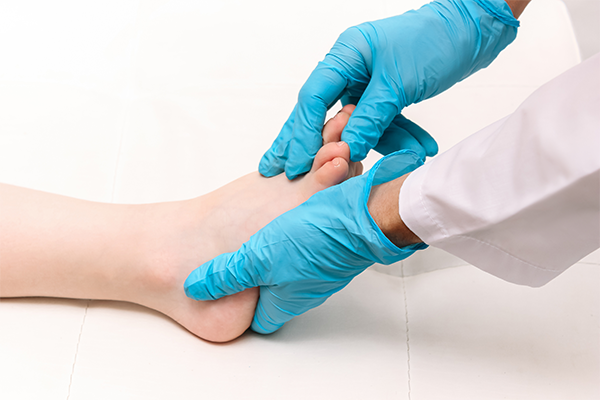
Plantar Fasciitis in Runners: Galway's Recovery Plan
Introduction: Understanding Plantar Fasciitis in Runners
Welcome to Peak Podiatry, your trusted podiatry clinic located in Galway. As avid runners, we understand the joy of hitting the pavement, but plantar fasciitis can put a serious halt to your running routine. This common foot condition can arise from various factors, affecting your heel and arch, making it essential to know how to recognize and address the symptoms effectively.
What is Plantar Fasciitis?
Plantar fasciitis is an inflammation of the plantar fascia, a thick band of tissue that runs along the bottom of your foot, connecting your heel bone to your toes. This condition is prevalent among runners, especially those who increase their mileage or intensity too quickly. The pain often manifests as a sharp, stabbing sensation near the heel, typically worse in the morning or after periods of inactivity.
What Causes Plantar Fasciitis in Runners?
Several factors can lead to the development of plantar fasciitis in runners:
- Overuse: Increasing your running mileage or intensity without proper conditioning can stress the plantar fascia.
- Poor Footwear: Using running shoes that lack cushioning or support can contribute to heel strain.
- Foot Mechanics: Flat feet, high arches, or abnormal walking patterns can increase the risk of plantar fasciitis.
- Surface Hardness: Running on hard surfaces—such as concrete—places additional impact stress on your feet.
- Obesity: Excess weight can increase pressure on the plantar fascia, leading to inflammation.
How Can I Identify the Symptoms of Plantar Fasciitis?
Recognizing the symptoms of plantar fasciitis is crucial for timely treatment:
- Pain: Sharp pain in the heel or arch, especially noticeable in the morning or after long periods of sitting.
- Stiffness: A sensation of tightness in the arch of the foot upon waking or after extended inactivity.
- Swelling: Mild swelling or tenderness at the heel's base.
- Discomfort During Activity: Pain may worsen during or after running, particularly on hard surfaces.
How Can I Treat Plantar Fasciitis?
Effective treatment for plantar fasciitis involves a combination of self-care strategies and professional interventions. Here are some approaches to consider:
1. Rest and Activity Modification
Give your feet a break by reducing running intensity and duration. Incorporate low-impact activities such as swimming or cycling to maintain fitness without aggravating your condition.
2. Ice Therapy
Applying ice to the affected area for 15-20 minutes several times a day can help reduce inflammation and pain.
3. Footwear Assessment
Visit Peak Podiatry for a thorough evaluation of your running shoes. Proper footwear with good cushioning and arch support is crucial in preventing and treating plantar fasciitis.
4. Stretching and Strengthening Exercises
Engaging in specific stretches targeting the calf muscles and plantar fascia can alleviate tension. Consider physical therapy for a tailored exercise program designed to improve foot mechanics.
5. Orthotics
Custom orthotic devices can provide additional arch support, redistributing stress away from the plantar fascia. Our clinicians at Peak Podiatry can create orthotics tailored to your foot structure and needs.
6. Seek Professional Help
If symptoms persist, consult with our podiatrists in Galway for further assessment. Advanced treatments, such as corticosteroid injections or, in rare cases, surgery, may be considered depending on the severity of your condition.
How Long Does It Take to Recover from Plantar Fasciitis?
Recovery timelines for plantar fasciitis can vary widely. While many patients experience relief within a few weeks to several months with appropriate treatment, some may take longer depending on the severity of their condition, adherence to treatment plans, and the presence of other underlying issues.
Is There a Way to Prevent Plantar Fasciitis?
Preventing plantar fasciitis involves proactive measures:
- Gradual Progression: Slowly increase your training intensity and mileage.
- Proper Footwear: Invest in well-fitted shoes designed for running with adequate support.
- Foot Strengthening: Incorporate exercises that strengthen foot muscles and improve flexibility.
- Warm-Up and Cool Down: Always include a proper warm-up before and cool-down after your runs.
Conclusion: Seek Help at Peak Podiatry
At Peak Podiatry, our team is dedicated to helping runners in Galway overcome plantar fasciitis and return to their favorite activities. If you’re experiencing heel pain or suspect you may have plantar fasciitis, don’t hesitate to reach out to us. We offer tailored treatment plans to fit your unique needs and get you back on your feet. Book your appointment today!
FAQs about Plantar Fasciitis
- What is the main cause of plantar fasciitis? Plantar fasciitis is predominantly caused by overuse and stress on the plantar fascia, often exacerbated by improper footwear.
- Can plantar fasciitis resolve on its own? While mild cases may improve with home care, persistent symptoms should be evaluated by a podiatrist.
- Are there specific stretches to help plantar fasciitis? Yes, stretches for the calf muscles and plantar fascia, such as wall calf stretches and towel stretches, can help alleviate pain.
- How can orthotics benefit those with plantar fasciitis? Custom orthotics provide essential arch support and cushioning, helping to redistribute pressure away from the inflamed area.
- When should I see a doctor? If your symptoms do not improve with home treatment within a few weeks or if the pain worsens, make an appointment with a podiatrist.

Ask Robert And His Team
Fill in the form to request a Call From Our Team
Fill in the form to request a Call From Our Team
One of our team will call you for FREE and answer any questions or concerns you may have about your Foot Pain.
One of our team will call you for FREE and answer any questions or concerns you may have about your Foot Pain.

Where To Find Peak Podiatry Clinic
Ready to take the next step?
We are conveniently located in Unit 8D Liosban Business Park, Tuam road
Tuam Rd, Galway
Open 8am – 6pm (Mon-Fri)
Free Parking on our doorstep




Legal
How to get in touch
© Copyright 2022. Peak Podiatry All rights reserved.