
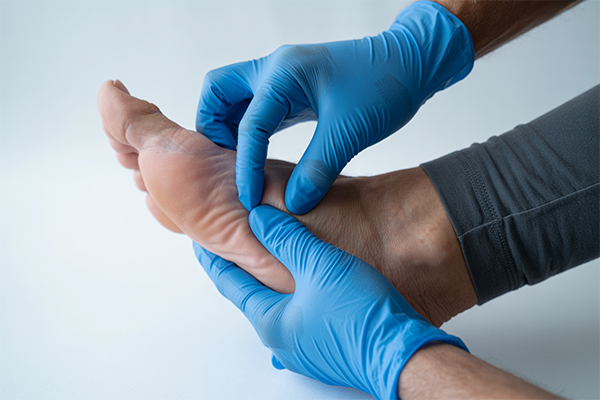
Tips to Prevent Fungal Nails After a Pedicure (Limerick)
Introduction
At Peak Podiatry in Limerick, we prioritize the health of your feet and toenails. Pedicures are a wonderful way to pamper yourself, but if proper precautions are not taken, they can lead to fungal nail infections. In this article, we’ll provide you with evidence-based tips to prevent fungal nails after a pedicure, ensuring your feet remain healthy and beautiful.
What Causes Fungal Nails?
Fungal nails, also known as onychomycosis, are primarily caused by dermatophytes, yeasts, and molds. These organisms thrive in warm, moist environments, making nail salons a potential hotspot for infection if cleanliness standards are not maintained. Factors that contribute to fungal infections include:
- Damaged or compromised nails
- Excessive moisture from foot baths
- Shared equipment and tools
- Pre-existing conditions such as diabetes or weakened immune systems
How Can I Prevent Fungal Nails After a Pedicure?
Preventing fungal nails starts with choosing a reputable salon and being mindful of the care provided. Here are key strategies you can implement:
1. Choose a Reputable Salon
Before booking a pedicure, research local salons in Limerick. Look for those with positive customer reviews and that adhere strictly to hygiene practices, including:
- Using disposable files, buffers, and liners for foot baths
- Disinfecting tools and equipment properly
- Employing trained and licensed professionals
2. Inspect the Environment and Tools
Upon arrival, take a moment to assess the cleanliness of the salon. The pedicure area should be clean and organized. Additionally, ensure that all tools used during your treatment are sterilized, and inquire about their cleaning protocol.
3. Keep Your Feet Dry
Fungi thrive in moist environments, so keeping your feet dry is crucial. Post-pedicure, avoid wearing tight shoes that can trap moisture. Utilize breathable footwear to allow airflow and decrease humidity around your toenails.
4. Use Antifungal Products
Consider applying a topical antifungal treatment to your nails before and after a pedicure. Over-the-counter options containing clotrimazole or terbinafine can help protect against fungal infections.
5. Observe Aftercare Procedures
After your pedicure, be sure to practice good foot hygiene. This includes:
- Washing your feet daily with soap and water
- Drying your feet thoroughly, especially between the toes
- Regularly trimming your nails straight across to avoid ingrowth
6. Avoid Nail Damage
Chipped or damaged nails provide an entry point for fungi. To prevent damage, opt for non-acrylic nail enhancements, and always ask your pedicurist for gentle handling of your nails.
How Can I Treat Fungal Nails If Infected?
If you suspect that you have developed a fungal nail infection, it's essential to consult with a podiatrist. Treatment options may include:
- Topical antifungal medications
- Oral antifungal prescriptions for severe cases
- Nail debridement procedures to remove infection
- Laser treatments to eliminate fungi
Common Symptoms of Fungal Nails
Recognizing the symptoms early can aid in prompt treatment. Common signs of fungal nails include:
- Discoloration (yellow, brown, or white stains)
- Thickened or brittle nails
- Distorted nail shape
- Separation of the nail from the nail bed
FAQ
1. Can I get a pedicure if I have a fungal nail infection?
It is advisable to avoid pedicures until the infection is treated to prevent spreading and further complications.
2. Are there specific nail products that prevent fungal infections?
Using antifungal nail polishes and treatments can help, as well as choosing breathable nail polish options.
3. How can I tell if I’m developing a fungal nail infection?
Watch for symptoms such as discoloration, thickening, and separation of the nail. Consult a podiatrist for a proper diagnosis.
4. How long does it take to treat a fungal nail infection?
Treatment duration can vary. Topical treatments may take a few months, while oral medications can take several weeks before visible improvement is seen.
5. What should I do if my pedicurist uses unsterilized tools?
Address your concerns directly and consider reporting the salon to local health authorities. It’s crucial to prioritize hygiene in nail care environments.
Conclusion
In summary, preventing fungal nails after a pedicure involves careful selection of salons, diligent aftercare, and keen observation of your foot health. At Peak Podiatry in Limerick, we are here to support you with expert advice and treatment for any podiatric concerns. Ensure your feet remain healthy and beautiful by following these tips and consulting our team for further assistance.
For more information or to schedule an appointment, visit our booking page.

Ask Robert And His Team
Fill in the form to request a Call From Our Team
Fill in the form to request a Call From Our Team
One of our team will call you for FREE and answer any questions or concerns you may have about your Foot Pain.
One of our team will call you for FREE and answer any questions or concerns you may have about your Foot Pain.

Where To Find Peak Podiatry Clinic
Ready to take the next step?
We are conveniently located in Unit 8D Liosban Business Park, Tuam road
Tuam Rd, Galway
Open 8am – 6pm (Mon-Fri)
Free Parking on our doorstep




Legal
How to get in touch
© Copyright 2022. Peak Podiatry All rights reserved.