

Cracked Heels: Causes, Prevention, and When It’s Time to Get Help
Understanding Cracked Heels
Cracked heels, medically known as heel fissures, are a common condition that can affect people of all ages. At Peak Podiatry, located in Galway and Limerick, we frequently encounter patients seeking advice on this issue. Understanding the causes, prevention strategies, and treatment options for cracked heels is essential for maintaining healthy feet.
What Causes Cracked Heels?
Several factors contribute to the development of cracked heels. Understanding these can help in both prevention and treatment.
- Dry Skin: One of the most common reasons for cracked heels is dry skin. Conditions like xerosis can lead to a lack of moisture, making the skin on your heels susceptible to cracking.
- Weight: Excess body weight increases pressure on the heel pads, causing the skin to expand, which can lead to cracks.
- Foot Structure: Individuals with biomechanical issues, such as flat feet or high arches, may experience heel fissures due to improper weight distribution.
- Footwear: Wearing open-heeled shoes or sandals can expose the skin to the elements and contribute to dryness.
- Medical Conditions: Health issues like diabetes and psoriasis can predispose individuals to skin problems, including cracked heels.
How Can I Prevent Cracked Heels?
Preventing cracked heels involves taking proactive measures to maintain foot health. Here are several practical tips:
- Moisturize Regularly: Keeping your heels moisturized is crucial. Use a thick moisturizer or heel balm containing urea to help retain moisture.
- Stay Hydrated: Drinking enough water daily aids skin hydration and overall health.
- Choose Proper Footwear: Opt for shoes that provide good support and cushioning. Avoid open-heeled shoes for prolonged wear.
- Maintain Healthy Weight: If you are overweight, a balanced diet and regular exercise can reduce pressure on your feet.
- Foot Hygiene: Regularly wash and exfoliate your feet to remove dead skin cells which can contribute to cracking.
How Can I Treat Cracked Heels?
If you already have cracked heels, it's essential to take appropriate actions to treat them effectively. Consider the following treatments:
- At-Home Care: Start with regular moisturizing and exfoliation. Using a pumice stone after soaking your feet in warm water can help remove thickened skin.
- Over-the-Counter Creams: Products containing salicylic acid or urea can help in softening and healing cracked skin.
- Custom Orthotics: If you suffer from structural foot issues, custom orthotics may be recommended by a podiatrist to correct any biomechanical imbalances.
- Professional Treatment: In cases of severe cracks that do not improve with home care, professional treatments from a podiatrist may be necessary, including debridement and prescription-strength creams.
When Is It Time to Get Help?
While cracked heels can often be treated at home, certain situations require professional consultation. Seek help if you experience:
- Severe pain or discomfort.
- Signs of infection, such as redness, swelling, or discharge.
- Cracks that continue to worsen despite home treatment.
- Symptoms that interfere with daily activities or mobility.
- Underlining health conditions like diabetes that may complicate skin healing.
Frequently Asked Questions (FAQ)
- What are the first signs of cracked heels? The initial signs include dry, thickened skin on the heels that may progress to visible cracks and discomfort.
- Can I walk on cracked heels? While it's possible, it can cause pain. It’s advisable to seek treatment if cracks interfere with walking.
- How long does it take to heal cracked heels? Healing time varies but can take several weeks with consistent care.
- Are there specific treatments for diabetic patients with cracked heels? Yes, diabetic patients should consult a podiatrist for tailored treatment to prevent complications.
- Can cracked heels be a sign of a more serious condition? Yes, if they are accompanied by other symptoms or persist despite treatment, it’s essential to seek medical advice.
Conclusion
Cracked heels can be a common yet troublesome condition that, if left untreated, can lead to further complications. At Peak Podiatry in Galway and Limerick, we are equipped to help you prevent and treat cracked heels effectively. If you are suffering from this condition or have any concerns regarding your foot health, we encourage you to book an appointment with our experienced team today.

Ask Robert And His Team
Fill in the form to request a Call From Our Team
Fill in the form to request a Call From Our Team
One of our team will call you for FREE and answer any questions or concerns you may have about your Foot Pain.
One of our team will call you for FREE and answer any questions or concerns you may have about your Foot Pain.

Where To Find Peak Podiatry Clinic
Ready to take the next step?
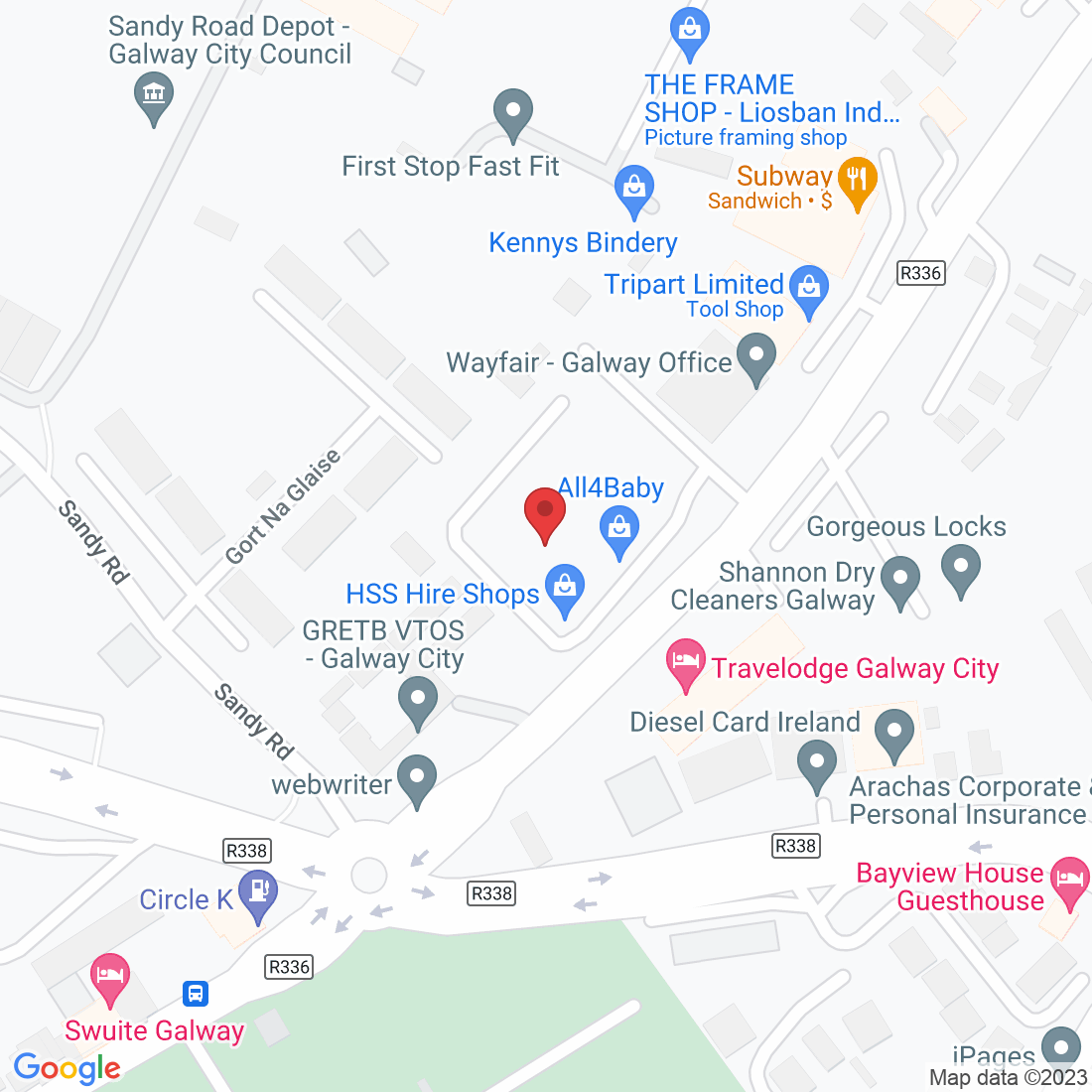
We are conveniently located in Unit 8D Liosban Business Park, Tuam road
Tuam Rd, Galway
Open 8am – 6pm (Mon-Fri)
Free Parking on our doorstep



Legal
How to get in touch
© Copyright 2022. Peak Podiatry All rights reserved.