
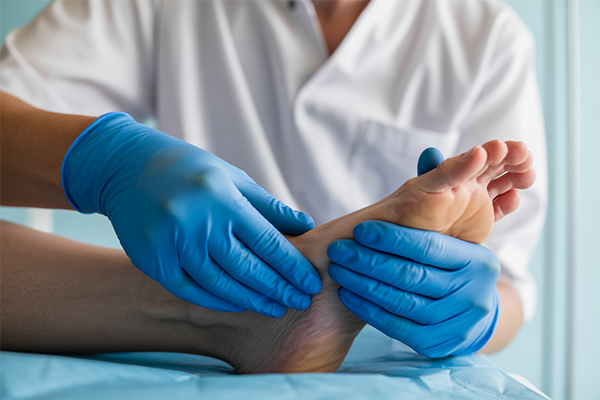
What Happens When Feet Don’t Move Properly
Introduction
Proper foot movement is essential for overall health and well-being. At Peak Podiatry, located in Galway, we frequently encounter patients suffering from issues arising from improper foot movement. Understanding the implications of this dysfunction is crucial for maintaining mobility and preventing further complications.
What Happens When Feet Don’t Move Properly?
When feet fail to move correctly, several issues can arise due to the interconnected nature of the body. The feet are a critical part of the musculoskeletal system, and improper movement can lead to pain, injury, and altered body mechanics.
What Are the Causes of Improper Foot Movement?
- Biomechanical Imbalances: Conditions such as flat feet (pes planus) or high arches (pes cavus) can cause improper foot movement, impacting gait.
- Injuries: Sprains, fractures, or tendon injuries can limit movement and reduce the foot's ability to perform optimally.
- Neurological Disorders: Conditions like peripheral neuropathy can alter sensation in the feet, leading to improper movement and balance issues.
- Poor Footwear: Shoes that do not provide adequate support can also contribute to improper foot mechanics.
- Muscle Weakness or Tightness: Weakness in the intrinsic foot muscles or tightness in the calf muscles can restrict movement.
What Conditions Are Associated With Improper Foot Movement?
Improper foot movement can manifest in various foot conditions, including:
- Plantar Fasciitis: Inflammation of the plantar fascia causes heel pain and discomfort during walking.
- Achilles Tendinitis: Overuse of the Achilles tendon may result from inadequate foot mechanics, leading to pain in the heel and calf.
- Metatarsalgia: This condition involves pain and inflammation in the ball of the foot, often exacerbated by improper biomechanics.
- Bunions: A painful bony bump at the base of the big toe can develop due to uneven forces on the foot.
- Neuroma: Morton’s neuroma is a thickening of nerve tissue between the toes, often related to improper foot placement.
How Can I Treat Foot Movement Issues?
Addressing improper foot movement often involves a multifaceted approach:
- Footwear Assessment: Ensure your shoes fit properly and provide adequate support. It's advisable to consult a podiatrist for recommendations.
- Orthotics: Custom orthotics may help correct biomechanical imbalances and improve foot alignment.
- Physical Therapy: Strengthening and stretching exercises tailored by a physical therapist can improve function and flexibility.
- Manual Therapy: Techniques provided by a podiatrist or physiotherapist may relieve pain and restore mobility.
- Injections: In some cases, corticosteroid injections may reduce inflammation associated with conditions like plantar fasciitis.
What Preventative Measures Can I Take?
Preventing improper foot movement is crucial for maintaining optimal foot health:
- Wear Proper Footwear: Invest in shoes that support your foot's anatomy and suit your activities.
- Regular Foot Exercises: Engage in exercises that promote strength and flexibility, such as toe curls and calf raises.
- Maintain a Healthy Weight: Excess weight can put added stress on the feet, leading to improper mechanics.
- Stay Active: Regular physical activity can help maintain muscle strength and flexibility in the feet.
- Schedule Regular Check-Ups: Regular assessments with a podiatrist can help identify and address issues before they become serious.
FAQ
1. What are the signs that my feet are not moving properly?
Signs include persistent pain, difficulty walking, changes in gait, or visible deformities such as bunions.
2. When should I see a podiatrist?
If you experience ongoing discomfort, have experienced a foot injury, or notice any abnormal changes in your foot structure.
3. Can children experience improper foot movement?
Yes, children can also have biomechanical issues that need evaluation to prevent complications as they develop.
4. Are there any home remedies for foot pain associated with improper movement?
Ice, elevation, and over-the-counter pain relief can help manage pain, but consult a podiatrist for long-term solutions.
5. How can orthotics benefit my foot movement?
Orthotics provide support, correct alignment, and distribute pressure more evenly across the foot, improving movement mechanics.
Conclusion
Understanding the implications of improper foot movement is essential for maintaining good health. If you are experiencing issues with your feet in Galway or Limerick, don’t hesitate to seek help from Peak Podiatry. Our team is ready to provide personalized assessments and treatments tailored to your needs.
To learn more or to schedule an appointment, please book your consultation today!

Ask Robert And His Team
Fill in the form to request a Call From Our Team
Fill in the form to request a Call From Our Team
One of our team will call you for FREE and answer any questions or concerns you may have about your Foot Pain.
One of our team will call you for FREE and answer any questions or concerns you may have about your Foot Pain.

Where To Find Peak Podiatry Clinic
Ready to take the next step?
We are conveniently located in Unit 8D Liosban Business Park, Tuam road
Tuam Rd, Galway
Open 8am – 6pm (Mon-Fri)
Free Parking on our doorstep




Legal
How to get in touch
© Copyright 2022. Peak Podiatry All rights reserved.