
What Slows Down Healing (Galway)
Understanding What Slows Down Healing in Foot Conditions
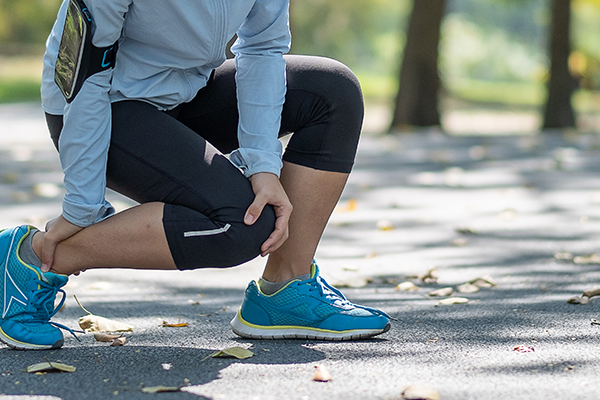
When it comes to foot health, the healing process can often feel frustratingly slow. At Peak Podiatry in Galway, we understand that many patients wonder what factors may be inhibiting their recovery from common foot conditions. Whether you are experiencing a sprained ankle, plantar fasciitis, or a diabetic ulcer, it’s essential to understand the biological and lifestyle factors that can affect healing. This article will delve into the most common influences that slow down healing and provide guidance on how to optimize your recovery.
What Causes Delayed Healing in Foot Conditions?
Several factors can impede the healing process in foot injuries and conditions:
- Poor Circulation: Reduced blood flow hinders the delivery of essential nutrients and oxygen necessary for tissue repair.
- Age: As we age, our body’s regenerative capacity diminishes, making healing slower.
- Chronic Conditions: Diseases such as diabetes, arthritis, and vascular diseases can significantly impact healing capabilities.
- Infection: The presence of infection can complicate wound healing, as the body's resources are diverted to fight the infection.
- Inadequate Nutrition: A balanced diet rich in vitamins and minerals is crucial for healing; deficiencies can lead to slowed recovery.
- Immune System Weakness: Individuals with compromised immune systems may face prolonged recovery times.
- Smoking: Tobacco use constricts blood vessels, reducing blood flow and, subsequently, healing efficiency.
How Can I Treat Foot Conditions Effectively?
Understanding treatment options is crucial for enhancing the healing process. Here are some recommended interventions that may help:
- R.I.C.E. Method: Rest, Ice, Compression, and Elevation can help in managing acute injuries and reducing inflammation.
- Physical Therapy: Engaging in a structured rehabilitation program can strengthen the affected area and improve mobility.
- Orthotics: Custom foot orthotics can provide support and alleviate pressure on painful areas, promoting healing.
- Medications: Over-the-counter anti-inflammatory drugs (NSAIDs) may help reduce pain and swelling.
- Wound Care: For ulcers or open wounds, appropriate dressings and medications are essential to prevent infections.
- Healthy Diet: Incorporating vitamins such as Vitamin C, D, and Zinc can promote faster healing.
What Foot Conditions Are Commonly Affected by Slow Healing?
Several foot conditions can be significantly affected by delayed healing:
- Plantar Fasciitis: Inflammation of the plantar fascia can take a long time to heal due to overuse and inadequate rest.
- Achilles Tendinitis: Damage to the Achilles tendon can lead to prolonged recovery, especially if risk factors such as tight calf muscles exist.
- Neuropathy: Commonly seen in diabetic patients, neuropathy can lead to foot ulcers that take time to heal.
- Stress Fractures: These small, hairline fractures often occur from overuse and can require a lengthy rest period for recovery.
How Can I Support the Healing Process?
To improve recovery time, consider the following strategies:
- Regular Check-Ups: Regular visits to a podiatrist, like those at Peak Podiatry in Galway, can help monitor healing and make timely adjustments to treatment plans.
- Foot Hygiene: Keeping your feet clean and dry can prevent infections, which may impede healing.
- Footwear Choices: Wearing supportive, comfortable footwear can alleviate stress on injured areas, promoting healing.
- Limiting Activity: Avoid high-impact activities that can worsen injuries, opting instead for low-impact exercises.
Frequently Asked Questions (FAQ)
1. How long does it typically take for foot injuries to heal?
The healing time varies depending on the type and severity of the injury. Generally, mild sprains can heal in a few weeks, while conditions like fractures may take several months.
2. Can nutrition really impact my healing time?
Yes, a well-balanced diet rich in vitamins and minerals plays a vital role in your body’s healing process. Nutrients support cell regeneration and repair.
3. Should I elevate my foot during recovery?
Elevating your foot can aid in reducing swelling and promoting blood flow, which is beneficial in the healing process.
4. Are there specific exercises I should avoid during recovery?
Avoid high-impact activities or exercises that put excessive strain on the injured area until cleared by a healthcare professional.
5. When should I seek medical help for slow healing?
You should consult a healthcare professional if you notice signs of infection, prolonged pain, or if your condition shows no improvement over time.
Conclusion
At Peak Podiatry in Galway, we understand the complexities and challenges that come with healing foot conditions. By acknowledging what slows down the healing process and taking proactive steps, you can significantly enhance your recovery journey. If you’re struggling with a foot condition or need personalized guidance, we encourage you to book an appointment with one of our podiatry specialists today. Your foot health deserves expert attention!

Ask Robert And His Team
Fill in the form to request a Call From Our Team
Fill in the form to request a Call From Our Team
One of our team will call you for FREE and answer any questions or concerns you may have about your Foot Pain.
One of our team will call you for FREE and answer any questions or concerns you may have about your Foot Pain.

Where To Find Peak Podiatry Clinic
Ready to take the next step?
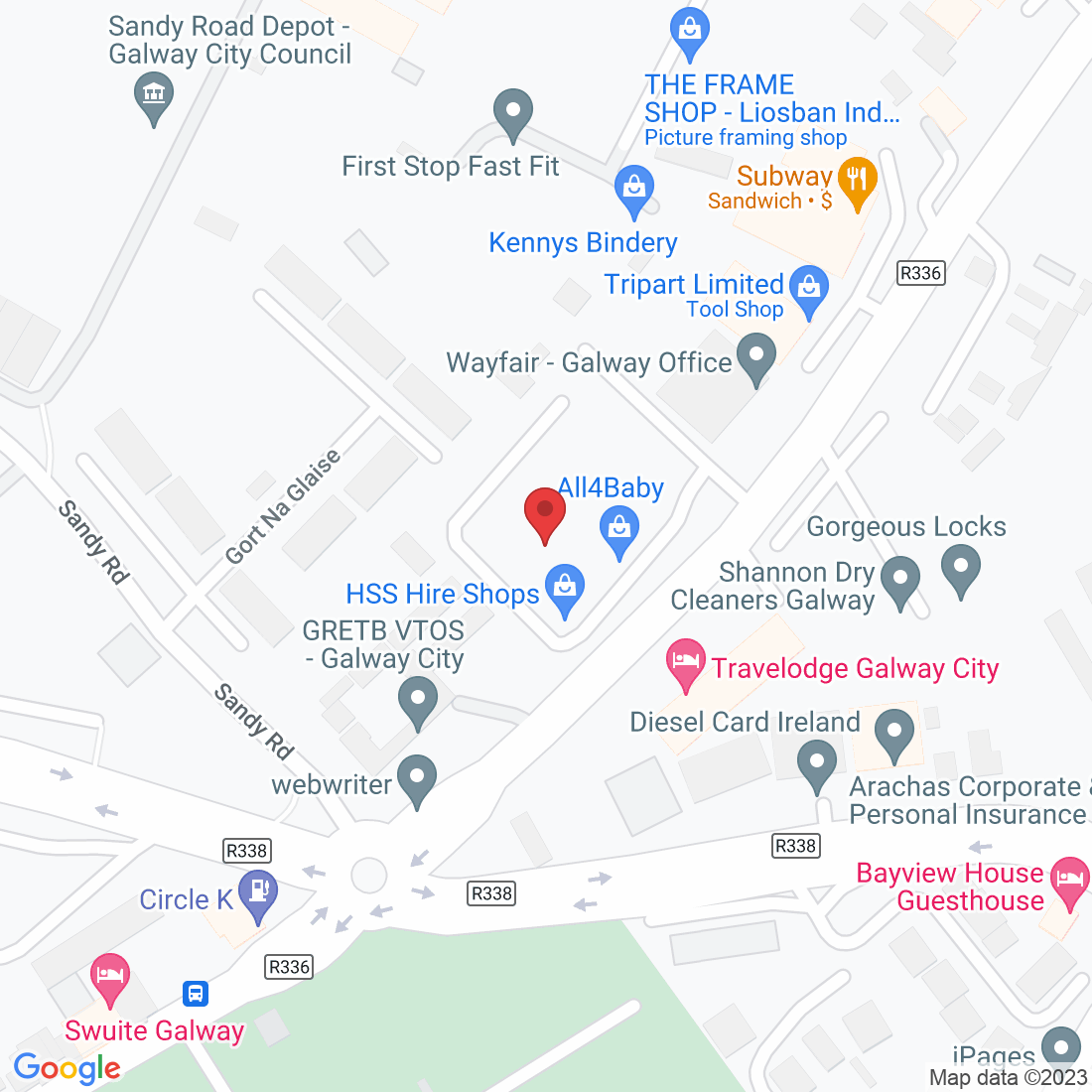
We are conveniently located in Unit 8D Liosban Business Park, Tuam road
Tuam Rd, Galway
Open 8am – 6pm (Mon-Fri)
Free Parking on our doorstep



Legal
How to get in touch
© Copyright 2022. Peak Podiatry All rights reserved.