
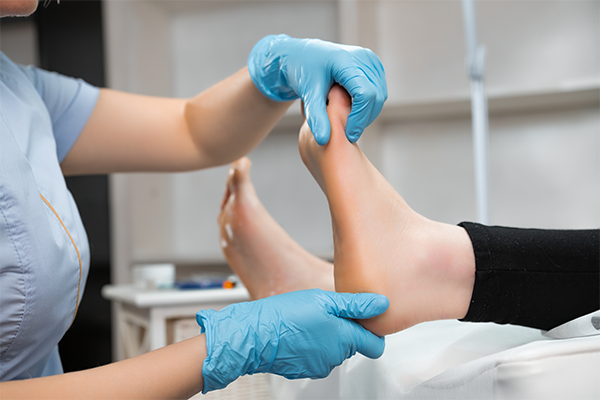
When Toes Start Curling: Galway’s Approach to Claw Toes
Understanding Claw Toes: An Overview
At Peak Podiatry, located in the heart of Galway, we understand that foot conditions can significantly impact your daily life. One such condition is claw toes, which manifest as abnormal bends in the joints of the toes, leading to discomfort and difficulty while walking. In this article, we'll explore the causes, symptoms, and treatments of claw toes to help you make informed decisions about your foot health.
What Causes Claw Toes?
Claw toes occur when the first joint of the toe is bent upward, while the middle joint is bent downwards. Several factors contribute to this condition:
- Muscle Imbalance: A discrepancy in muscle strength around the toes can lead to clawing.
- Footwear Choices: Tight or ill-fitting shoes can exacerbate or cause claw toes by forcing the toes into a cramped position.
- Neurological Disorders: Conditions like diabetes or stroke can affect nerve function, leading to claw toe development.
- Arthritis: Inflammatory diseases, such as rheumatoid arthritis, can damage joints and lead to deformities.
- Genetics: A family history of foot deformities can increase the likelihood of developing claw toes.
What Are the Symptoms of Claw Toes?
Recognizing the signs of claw toes is crucial for early intervention. Symptoms include:
- Pain and discomfort in the toes, particularly when wearing shoes.
- Visible curling of the toes.
- Redness and swelling in the affected areas.
- Calluses or corns on the top of the toe or the bottom of the foot.
- Difficulty in moving the toes or walking.
How Can I Treat Claw Toes?
Treatment methods for claw toes vary based on the severity of the condition. Here are the most common approaches used at Peak Podiatry in Galway:
- Footwear Modifications: Choosing shoes that provide ample room for your toes can alleviate pressure and discomfort.
- Orthotic Devices: Custom foot orthotics can support proper toe alignment and relieve pain.
- Stretching Exercises: Regularly stretching the foot and toe muscles can improve flexibility and reduce clawing.
- Padding and Splints: Using pads or splints can help re-align the toes or cushion pressure points.
- Surgery: In severe cases, surgical intervention may be necessary to realign the toe joints.
When Should I See a Podiatrist?
If you're experiencing persistent discomfort or difficulty in moving your toes, it’s essential to consult with a podiatric specialist. Early intervention can prevent the progression of claw toes and reduce the likelihood of surgery. At Peak Podiatry, our team is dedicated to providing personalized assessments and treatments tailored to your unique needs.
What Can I Do at Home?
In addition to professional treatment, there are simple measures you can take at home to manage claw toes:
- Wear well-fitting, wide shoes that do not compress the toes.
- Practice foot hygiene, keeping your feet clean and dry.
- Perform daily foot stretches to improve flexibility.
- Use over-the-counter pain relievers as needed to manage discomfort.
Frequently Asked Questions (FAQ)
1. Can claw toes be prevented?
While not all cases of claw toes can be prevented, wearing proper footwear and practicing foot exercises can significantly reduce the risk.
2. Is claw toe treatment covered by insurance?
Many insurance plans cover treatments for claw toes, especially if they are deemed medically necessary. It is best to check with your insurance provider for specific coverage details.
3. Are claw toes permanent?
If left untreated, claw toes can become permanent. However, early intervention and treatment can often reduce or even reverse symptoms.
4. How long does treatment usually take?
The duration of treatment varies based on the severity of the condition, with improvements often noticed within a few weeks to months with consistent care.
5. Can children get claw toes?
Yes, children can develop claw toes, often due to genetic factors or improper footwear. Early assessment and treatment are vital.
Conclusion
At Peak Podiatry in Galway, we aim to empower our patients with knowledge about foot health and conditions such as claw toes. If you experience symptoms of claw toes or have concerns about your foot health, don't hesitate to reach out to our clinic. Our dedicated team is here to help you find the right solution tailored for your needs.
Book your consultation today! Visit our booking page at Peak Podiatry Booking.

Ask Robert And His Team
Fill in the form to request a Call From Our Team
Fill in the form to request a Call From Our Team
One of our team will call you for FREE and answer any questions or concerns you may have about your Foot Pain.
One of our team will call you for FREE and answer any questions or concerns you may have about your Foot Pain.

Where To Find Peak Podiatry Clinic
Ready to take the next step?
We are conveniently located in Unit 8D Liosban Business Park, Tuam road
Tuam Rd, Galway
Open 8am – 6pm (Mon-Fri)
Free Parking on our doorstep




Legal
How to get in touch
© Copyright 2022. Peak Podiatry All rights reserved.