
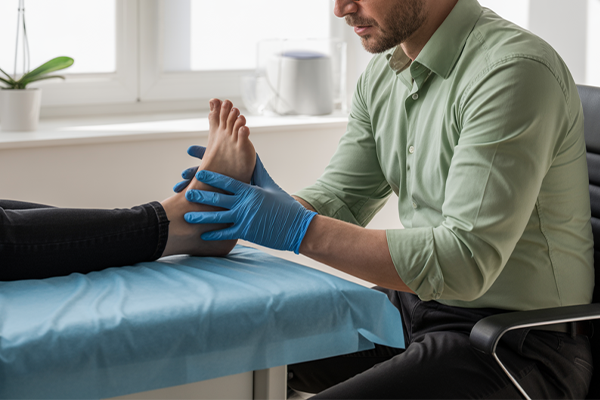
Can Weak Feet or Ankles Contribute to Knee Pain?
Introduction
Welcome to Peak Podiatry, your leading podiatry clinic located in Galway and Limerick. If you've been experiencing knee pain, you might be surprised to learn that weak feet or ankles can play a significant role in this discomfort. Understanding the connection between lower limb mechanics and knee health is crucial for effective treatment and pain management. In this article, we will explore how foot and ankle weaknesses can contribute to knee pain, the mechanisms involved, and how you can address these issues.
How Can Weak Feet or Ankles Cause Knee Pain?
The body functions as a complex system, and any weakness or misalignment in one area can affect other regions. The feet and ankles are the foundation of this system. When they are weak or injured, they may lead to compensatory movements that can put excessive stress on the knees.
- Foot Arches: The arches of the feet support body weight and absorb shock. Flat feet or overly high arches can disrupt normal gait, resulting in altered knee mechanics.
- Muscle Imbalance: Weakness in muscles around the foot and ankle can lead to instability, forcing the knee to take on abnormal loads and leading to pain or injury.
- Joint Misalignment: Ankle instability can cause improper alignment of the leg bones, which may result in further strain on the knee joint.
What Foot Conditions Are Associated with Knee Pain?
Several specific foot conditions can contribute to knee pain, including:
- Plantar Fasciitis: Inflammation of the plantar fascia can lead to compensatory changes in gait.
- Achilles Tendinitis: Tightness or injury to the Achilles tendon affects ankle mobility and can impact knee function.
- Flat Feet: Overpronation associated with flat feet can lead to knee alignment issues.
- High Arches: This condition may cause pressure to be unevenly distributed, affecting the knees.
How Can I Assess My Foot Strength?
Assessing the strength and functionality of your feet and ankles can help identify potential issues that may be contributing to knee pain. Here are some simple tests you can perform:
- Single Leg Balance: Stand on one leg. If you struggle to maintain balance for 30 seconds or more, it may indicate weakness.
- Toe Walk: Walk on your toes for 30 seconds. Difficulty or discomfort might suggest muscle weakness.
- Heel Walk: Walking on your heels may reveal deficiencies in ankle strength.
How Can I Treat Weak Feet or Ankles to Relieve Knee Pain?
Treating weak feet or ankles involves a multi-faceted approach:
- Strengthening Exercises: Incorporate targeted exercises such as toe curls, heel raises, and ankle circles into your routine.
- Footwear Evaluation: Proper footwear is essential. Consult with a podiatrist at Peak Podiatry to ensure your shoes provide adequate support and fit well.
- Orthotics: Custom orthotic devices can provide support and improve alignment, reducing knee strain.
- Physical Therapy: A physical therapist can create a tailored program to strengthen the muscles around your feet and ankles, improving overall stability.
- Stretching Routines: Regular stretching can improve flexibility, particularly in the calves and Achilles tendon.
When to Seek Professional Help
If you are experiencing persistent knee pain despite self-care measures, it is essential to seek professional help. A podiatrist at Peak Podiatry can perform a comprehensive assessment of your foot and ankle function and devise a treatment plan tailored to your specific needs. Early intervention can prevent further complications and improve your quality of life.
FAQs: Understanding the Link Between Feet, Ankles, and Knee Pain
- Can weak ankle muscles affect my knees?
Yes, weak ankle muscles can alter your gait, leading to abnormal stress on the knee joint. - Will orthotics help my knee pain?
Custom orthotics can improve foot alignment and potentially relieve knee pain. - How long does it take to strengthen weak feet?
Improvement varies by individual, but consistent exercises typically yield results within a few weeks. - Should I avoid activity if I have knee pain?
It's essential to listen to your body; however, gentle activities like swimming or cycling may be beneficial. Consult a podiatrist for personalized advice. - When should I see a podiatrist for knee pain?
If knee pain persists for more than a few weeks or is accompanied by swelling, consult a podiatrist for assessment.
Conclusion
Weak feet and ankles can significantly contribute to knee pain, affecting your overall mobility and quality of life. At Peak Podiatry in Galway and Limerick, we are dedicated to helping you understand and address these issues. If you're struggling with knee pain related to foot and ankle weaknesses, don’t hesitate to contact us. Schedule a consultation today through our online booking system and take the first step toward pain relief and improved foot and knee health.

Ask Robert And His Team
Fill in the form to request a Call From Our Team
Fill in the form to request a Call From Our Team
One of our team will call you for FREE and answer any questions or concerns you may have about your Foot Pain.
One of our team will call you for FREE and answer any questions or concerns you may have about your Foot Pain.

Where To Find Peak Podiatry Clinic
Ready to take the next step?
We are conveniently located in Unit 8D Liosban Business Park, Tuam road
Tuam Rd, Galway
Open 8am – 6pm (Mon-Fri)
Free Parking on our doorstep




Legal
How to get in touch
© Copyright 2022. Peak Podiatry All rights reserved.