
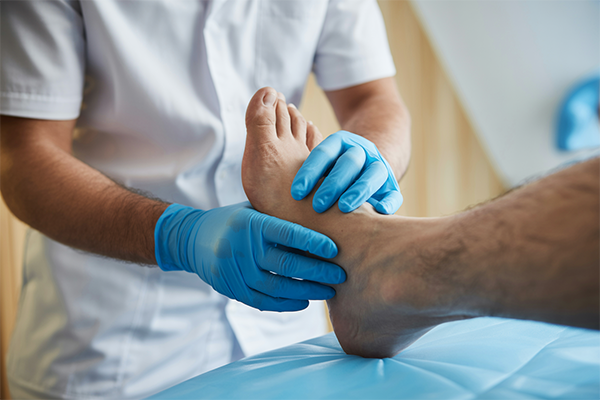
Why Balance Starts With Your Feet (Galway)
Why Balance Starts With Your Feet
At Peak Podiatry, located in Galway, we understand the essential role that your feet play in maintaining balance and overall health. When you think about balance, it's easy to overlook the importance of foot health. However, our feet are the foundation of our movement and stability. In this article, we will explore how foot conditions can impact balance, the anatomy involved, and practical advice for keeping your feet in optimal condition.
What Causes Balance Issues Related to Foot Health?
Various foot conditions can lead to balance issues, affecting your ability to walk, run, or participate in daily activities. Some common causes include:
- Flat Feet: Also known as pes planus, flat feet can lead to overpronation, affecting stability and balance.
- High Arches: Pes cavus can lead to improper weight distribution, causing instability.
- Plantar Fasciitis: Chronic pain in the heel and arch can alter your gait and affect balance.
- Neuropathy: Conditions such as diabetes can lead to peripheral neuropathy, diminishing sensation and coordination.
- Joint Issues: Arthritis and other joint problems can limit mobility and balance.
How Does Foot Anatomy Influence Balance?
The human foot comprises 26 bones, 33 joints, and more than 100 muscles, tendons, and ligaments. Understanding this anatomy is crucial for maintaining balance. The muscles and ligaments work together to support weight and provide stability. Any disruption in this system can lead to balance problems. Key anatomical points include:
- Arch Structure: The arches of the feet absorb shock and provide spring. A healthy arch aids in balance.
- Ankle Joint: The ankle's range of motion is critical for adjusting to uneven surfaces.
- Proprioceptors: These sensors in your feet and joints help coordinate balance and movement.
How Can I Treat Foot Conditions Affecting Balance?
Treating foot conditions that impact balance involves a multifaceted approach. Here are some effective treatments:
- Custom Orthotics: Custom-made insoles can correct alignment and provide support, improving balance.
- Physical Therapy: Strengthening and flexibility exercises can enhance foot function and stability.
- Footwear Assessment: Proper footwear can prevent complications and improve overall foot health.
- Assistive Devices: For severe cases, devices like braces or canes can provide additional support.
What Preventative Measures Can I Take?
Prevention is key in maintaining foot health and ensuring balance. Consider these recommendations:
- Regular Foot Checks: Monitor for signs of foot problems, especially if you have diabetes or other risk factors.
- Maintain a Healthy Weight: Excess weight can increase pressure on the feet, exacerbating existing conditions.
- Stay Active: Engage in activities that promote foot strength, such as walking or yoga.
- Foot Hygiene: Keep your feet clean and dry to prevent infections that could affect balance.
When Should I See a Podiatrist?
If you experience persistent pain, instability, or other changes in your foot health, consulting with a podiatrist is advisable. Early intervention can prevent further complications and improve your quality of life. At Peak Podiatry in Galway, we are equipped to provide tailored treatments based on your individual needs.
Frequently Asked Questions (FAQ)
1. Can flat feet cause balance problems?
Yes, flat feet can lead to overpronation, which affects how weight is distributed across the foot, ultimately compromising balance.
2. How do I know if I need orthotics?
If you experience foot pain or discomfort during activities, or if your shoes wear unevenly, orthotics may be beneficial. A podiatrist can provide an assessment.
3. What exercises can improve my foot strength?
Simple exercises such as toe curls, ankle rotations, and standing on one leg can enhance foot strength and improve balance.
4. How often should I replace my footwear?
Generally, you should consider replacing your shoes every 300 to 500 miles, or when they show significant wear, as worn shoes can contribute to foot problems.
5. Are there specific shoes that can help with balance?
Shoes that provide good arch support, cushioning, and a stable base can improve balance. Consult with a podiatrist for personalized footwear recommendations.
Conclusion
Balance begins with your feet, and understanding their role is essential in maintaining overall health and mobility. If you’re experiencing foot problems that affect your balance, don’t hesitate to reach out to us at Peak Podiatry in Galway. We are dedicated to providing quality podiatric care to help you stay active and enjoy life to the fullest.
To schedule an appointment, please book online today!

Ask Robert And His Team
Fill in the form to request a Call From Our Team
Fill in the form to request a Call From Our Team
One of our team will call you for FREE and answer any questions or concerns you may have about your Foot Pain.
One of our team will call you for FREE and answer any questions or concerns you may have about your Foot Pain.

Where To Find Peak Podiatry Clinic
Ready to take the next step?
We are conveniently located in Unit 8D Liosban Business Park, Tuam road
Tuam Rd, Galway
Open 8am – 6pm (Mon-Fri)
Free Parking on our doorstep




Legal
How to get in touch
© Copyright 2022. Peak Podiatry All rights reserved.