
Why Does My Ingrown Toenail Keep Growing Back After I Cut It?
Understanding Ingrown Toenails
Ingrown toenails, or onychocryptosis, occur when the edges of the toenail grow into the surrounding skin, leading to pain, redness, and swelling. This condition can be particularly troublesome, as many patients find the ingrown toenail tends to recur even after treatment, such as trimming the nail. At Peak Podiatry in Galway and Limerick, we understand the frustration associated with this persistent issue, and we’re here to help you understand why it happens and what you can do to manage it effectively.
What Causes Ingrown Toenails?
- Improper Nail Trimming: Cutting toenails too short or rounding the edges can encourage growth into the surrounding skin.
- Genetics: Some individuals may inherit a tendency for thicker or curved toenails.
- Footwear: Tight-fitting shoes or improper footwear can put pressure on the toes, forcing the nail to grow inward.
- Trauma: Injury to the toenail from stubbing or an accident can lead to improper nail growth.
- Underlying Conditions: Conditions such as fungal infections or psoriasis can alter nail growth and health.
How Can I Treat Ingrown Toenails?
Successful treatment of ingrown toenails often requires addressing the underlying cause along with prompt care. Here are some recommended treatments:
At-Home Care
- Soaking: Soak your foot in warm water for 15-20 minutes several times a day to reduce swelling and relieve pain.
- Freeing the Nail: After soaking, you can gently lift the edge of the nail and place a small piece of cotton under it to encourage it to grow above the skin.
- Pain Relief: Over-the-counter pain medications, such as ibuprofen or acetaminophen, can help manage discomfort.
Professional Treatment Options
If home remedies fail, professional intervention may be necessary. At Peak Podiatry, our experienced podiatrists can offer:
- Partial Nail Avulsion: This procedure involves removing the part of the nail that is ingrown, often under local anesthesia.
- Matrixectomy: For recurrent cases, we may recommend this procedure to permanently remove the nail matrix (the tissue under the base of the nail) to prevent future growth.
- Corrective Footwear Advice: Our specialists can advise on appropriate footwear to prevent further injury to the toes.
Why Does My Ingrown Toenail Keep Growing Back?
Recurring ingrown toenails can be attributed to several factors:
- Improper Nail Care: If the nail is not trimmed correctly, it can continue to grow into the skin.
- Genetic Predisposition: A natural tendency for toenails to be curved or thick can predispose individuals to recurring issues.
- Chronic Stress on the Toe: Continuous pressure from footwear can exacerbate the problem.
- Inadequate Healing: If the nail is partially removed but not treated correctly afterward, it may regrow improperly.
How Long Does It Take for an Ingrown Toenail to Heal?
The healing duration for ingrown toenails varies depending on the severity of the condition and the treatment method used. Generally, mild cases may improve within a few weeks with proper home care, while more invasive procedures might require several weeks for complete recovery.
Preventing Ingrown Toenails
To minimize the risk of ingrown toenails reappearing after treatment, consider these preventive measures:
- Trim Nails Properly: Cut toenails straight across and avoid cutting them too short.
- Choose Proper Footwear: Ensure shoes fit well and do not crowd the toes.
- Maintain Foot Hygiene: Keep your feet clean and dry to prevent infections that could complicate nail growth.
Frequently Asked Questions (FAQ)
1. Can ingrown toenails be caused by my shoes?
Yes, tight or improperly fitting shoes can cause pressure on the toenails, leading to ingrowth.
2. Is it safe to treat an ingrown toenail at home?
For mild cases, at-home treatments can be effective, but it’s best to consult a podiatrist for persistent issues.
3. When should I see a doctor for my ingrown toenail?
If you experience severe pain, pus, or signs of infection, seek medical attention promptly. Additionally, if ingrown toenails are recurrent, consult a podiatrist.
4. Are there any solutions for recurring ingrown toenails?
Yes, procedures like partial nail avulsion and matrixectomy can provide long-term relief from recurring ingrown toenails.
5. How can I relieve pain from an ingrown toenail?
Soaking your foot, using topical antiseptics, and taking oral pain relievers can help alleviate discomfort.
Schedule an Appointment at Peak Podiatry
If you’re dealing with recurring ingrown toenails, don’t suffer in silence. Our dedicated team at Peak Podiatry in Galway and Limerick is here to provide you with individualized care and effective treatment options. Book your appointment today to start your journey towards healthier, pain-free feet!

Ask Robert And His Team
Fill in the form to request a Call From Our Team
Fill in the form to request a Call From Our Team
One of our team will call you for FREE and answer any questions or concerns you may have about your Foot Pain.
One of our team will call you for FREE and answer any questions or concerns you may have about your Foot Pain.

Where To Find Peak Podiatry Clinic
Ready to take the next step?
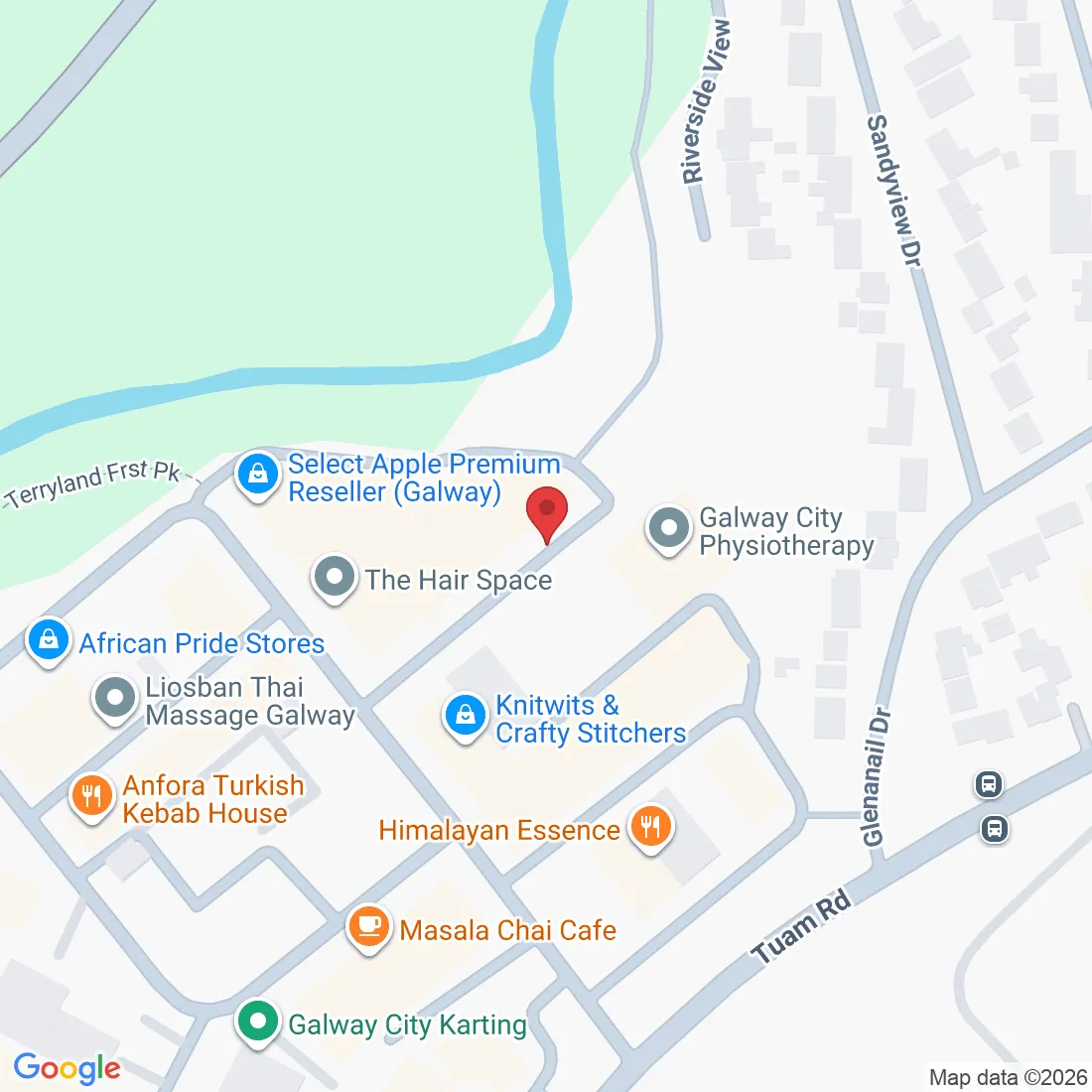
We are conveniently located in Unit 8D Liosban Business Park, Tuam road
Tuam Rd, Galway
Open 8am – 6pm (Mon-Fri)
Free Parking on our doorstep



Legal
How to get in touch
© Copyright 2022. Peak Podiatry All rights reserved.