
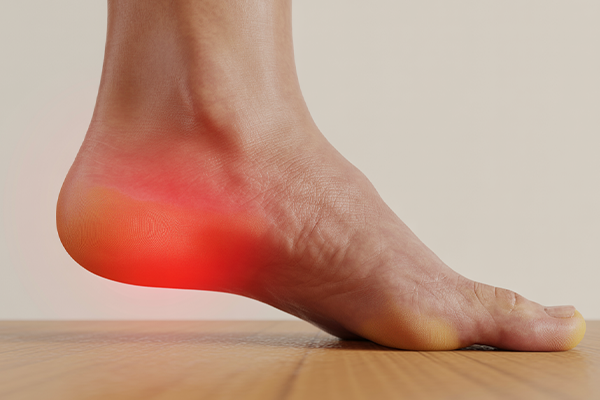
Why Insoles Aren’t Just for Athletes
Understanding Insoles: Beyond Athletic Performance
At Peak Podiatry, located in Galway and Limerick, we frequently encounter misconceptions surrounding insoles. While many associate insoles exclusively with athletes, this misconception overlooks their profound benefits for a broader population, including those suffering from various foot conditions. In this article, we will delve into the multifaceted role of insoles in promoting foot health and enhancing comfort for everyone.
What Are Insoles and How Do They Work?
Insoles, also known as footbeds or orthotics, are inserts placed inside shoes to provide support, cushioning, and alignment to the foot. They are designed to address specific foot issues and improve overall functionality by redistributing weight across the foot, providing arch support, and enhancing stability.
What Causes Foot Pain in Non-Athletes?
Foot pain is a common issue that can affect anyone, regardless of activity level. Here are some prevalent causes:
- Plantar Fasciitis: Inflammation of the plantar fascia, causing heel pain.
- Flat Feet: A condition where the arches of the feet collapse, leading to overpronation and discomfort.
- Diabetic Neuropathy: Nerve damage caused by diabetes can lead to foot pain and loss of sensation.
- Bunions: A bony bump on the joint at the base of the big toe, often causing swelling and discomfort.
- Metatarsalgia: Pain and inflammation in the ball of the foot, often exacerbated by improper footwear.
How Can Insoles Help Alleviate Foot Pain?
Insoles serve several purposes that can effectively alleviate foot pain:
- Arch Support: Custom or over-the-counter insoles can provide the necessary support to maintain the foot's natural arch, which is crucial for alleviating conditions like flat feet and plantar fasciitis.
- Shock Absorption: Insoles made with advanced materials can reduce the impact forces experienced during walking or standing, minimizing discomfort during daily activities.
- Alignment Correction: Insoles can correct foot alignment, reducing the strain on muscles and joints, which can alleviate pain associated with conditions such as bunions and arthritic changes.
- Cushioning: A softer footbed can offer increased comfort for individuals with diabetes or that are on their feet for prolonged periods.
Who Can Benefit from Insoles?
The following groups can significantly benefit from wearing insoles:
- Office Workers: Individuals who spend long hours standing or walking can benefit from added support.
- Senior Citizens: Aging can lead to reduced shock absorption due to wear and tear on foot structures, making insoles a prudent choice for comfort.
- Parents and Caregivers: Constantly running after children can put a strain on the feet, and insoles can help manage that stress.
- Individuals with Foot Conditions: Those suffering from chronic conditions like diabetes, arthritis, or plantar fasciitis often find relief through the use of insoles.
How to Choose the Right Insoles?
Selecting the right insoles requires consideration of both foot health and lifestyle needs. Here are steps to guide your selection:
- Consult a Podiatrist: A thorough evaluation by a podiatrist like those at Peak Podiatry can help in understanding your specific needs.
- Consider Your Lifestyle: Different activities require different types of support; ensure the insoles match your primary activities.
- Look for Arch Support: Insoles should support your foot's arch for optimal alignment and comfort.
- Material Matters: Ensure you select insoles made from high-quality materials that suit your foot type and the type of shoes you wear.
Frequently Asked Questions
1. Can insoles help with back pain?
Yes, proper foot support and alignment from insoles can alleviate stress on the spine, potentially reducing back pain.
2. Are custom insoles worth it?
Custom insoles, tailored to your unique foot shape and condition, can provide significant benefits for those with specific foot issues.
3. How often should I replace my insoles?
Insoles should generally be replaced every six months to a year, depending on wear and personal use.
4. Can I use insoles in any type of shoe?
Most insoles can be used in a variety of shoes, but it's essential to check compatibility, especially with formal or slim-fit footwear.
5. How do I know if I need insoles?
If you experience frequent foot pain, discomfort, or fatigue during daily activities, it may be time to consider consulting a podiatrist about insoles.
Conclusion
Insoles are not merely accessories for athletes; they are essential tools for anyone seeking relief from foot pain and discomfort. At Peak Podiatry in Galway and Limerick, our experienced team is dedicated to helping you find the right solutions for your foot health. Whether you're an athlete or someone who stands all day, proper foot support can significantly enhance your quality of life. Don’t let foot pain hold you back — book an appointment today!

Ask Robert And His Team
Fill in the form to request a Call From Our Team
Fill in the form to request a Call From Our Team
One of our team will call you for FREE and answer any questions or concerns you may have about your Foot Pain.
One of our team will call you for FREE and answer any questions or concerns you may have about your Foot Pain.

Where To Find Peak Podiatry Clinic
Ready to take the next step?
We are conveniently located in Unit 8D Liosban Business Park, Tuam road
Tuam Rd, Galway
Open 8am – 6pm (Mon-Fri)
Free Parking on our doorstep




Legal
How to get in touch
© Copyright 2022. Peak Podiatry All rights reserved.