

Venous vs. Arterial Ulcers: What’s the Difference?
Introduction
At Peak Podiatry, located in Galway and Limerick, we understand that understanding the differences between various types of foot ulcers is crucial for proper treatment and management. Venous and arterial ulcers are two common conditions that can affect your feet and legs, and distinguishing between them can significantly impact your recovery. In this article, we’ll explore the differences, causes, symptoms, and treatment options for venous and arterial ulcers, helping you make informed decisions about your foot health.
What Are Venous and Arterial Ulcers?
Venous and arterial ulcers are both chronic wounds that can occur on the lower extremities, but they arise from different underlying conditions.
- Venous Ulcers: These occur due to problems with blood flow in the veins. They are often associated with venous insufficiency, where the valves in the veins do not function properly, leading to pooling of blood and fluid leakage into surrounding tissues.
- Arterial Ulcers: These ulcers are a result of inadequate blood flow to the tissues due to narrowed or blocked arteries, commonly caused by atherosclerosis or other arterial diseases.
What Causes Venous Ulcers?
Venous ulcers primarily result from chronic venous insufficiency (CVI), which can be caused by:
- History of blood clots (deep vein thrombosis)
- Varicose veins
- Obesity
- Prolonged standing or sitting
- Inactivity
In CVI, the veins struggle to send blood back to the heart, causing fluid buildup in the legs and leading to ulcer formation.
What Causes Arterial Ulcers?
Arterial ulcers occur when there is insufficient blood flow due to arterial diseases. Common causes include:
- Atherosclerosis (buildup of plaque in arteries)
- Peripheral artery disease (PAD)
- Diabetes mellitus
- Smoking
- High blood pressure and cholesterol levels
The lack of oxygenated blood severely affects the healing process, resulting in ulceration.
How Can You Identify Venous vs. Arterial Ulcers?
Understanding the characteristics of each type of ulcer can aid in their identification:
- Venous Ulcers:
- Location: Typically on the lower legs, around the ankles.
- Appearance: May appear irregularly shaped, with a moist base, and usually surrounded by brown skin discoloration.
- Pain Level: Generally, they are less painful than arterial ulcers but can cause a sensation of heaviness in the leg.
- Arterial Ulcers:
- Location: Often found on the toes, heels, or areas of pressure.
- Appearance: Generally round, with a pale or necrotic base and well-defined edges.
- Pain Level: Typically very painful, especially with activity or at night.
How Can I Treat Venous Ulcers?
Effective treatment for venous ulcers focuses on improving blood flow and promoting healing. Common strategies include:
- Compression Therapy: Wearing compression stockings helps reduce swelling and improve venous return.
- Leg Elevation: Elevating your legs can help reduce swelling and improve circulation.
- Wound Care: Regular cleaning and dressing of the ulcer are essential to prevent infection.
- Medications: Depending on the condition, medications such as diuretics may be prescribed.
How Can I Treat Arterial Ulcers?
Treatment for arterial ulcers focuses on improving blood circulation and may involve:
- Medical Intervention: You may need medications to manage arterial disease and improve blood flow.
- Wound Care: Regular cleaning and appropriate dressings are crucial to prevent infection.
- Revascularization Procedures: In some cases, surgical procedures may be necessary to restore proper blood flow.
- Lifestyle Changes: Quitting smoking, managing diabetes, and exercising can help improve arterial health.
Frequently Asked Questions (FAQ)
1. Can venous and arterial ulcers occur at the same time?
Yes, it is possible for a patient to have both types of ulcers, especially if they have underlying conditions affecting both venous and arterial systems.
2. How long does it take for these ulcers to heal?
Healing time varies; venous ulcers can take weeks to months, while arterial ulcers may take longer, especially if circulation issues are not addressed.
3. How can I prevent foot ulcers?
Maintaining good foot hygiene, managing chronic conditions like diabetes, avoiding long periods of standing or sitting, and wearing appropriate footwear can all help prevent foot ulcers.
4. When should I seek medical help for foot ulcers?
You should seek medical assistance if you notice any non-healing wounds, increased pain, signs of infection (like redness or pus), or if you have underlying vascular issues.
5. What role does diabetes play in foot ulcers?
Diabetes can lead to nerve damage and poor circulation, making individuals more susceptible to foot ulcers. Proper management of blood sugar levels and regular foot examinations are vital.
Conclusion
Understanding the key differences between venous and arterial ulcers is essential for effective treatment and management. At Peak Podiatry in Galway and Limerick, our experienced team is dedicated to providing tailored care for your foot health. If you suspect you have a foot ulcer or have concerns about your vascular health, we encourage you to book an appointment with us today. Your health is our priority.

Ask Robert And His Team
Fill in the form to request a Call From Our Team
Fill in the form to request a Call From Our Team
One of our team will call you for FREE and answer any questions or concerns you may have about your Foot Pain.
One of our team will call you for FREE and answer any questions or concerns you may have about your Foot Pain.

Where To Find Peak Podiatry Clinic
Ready to take the next step?
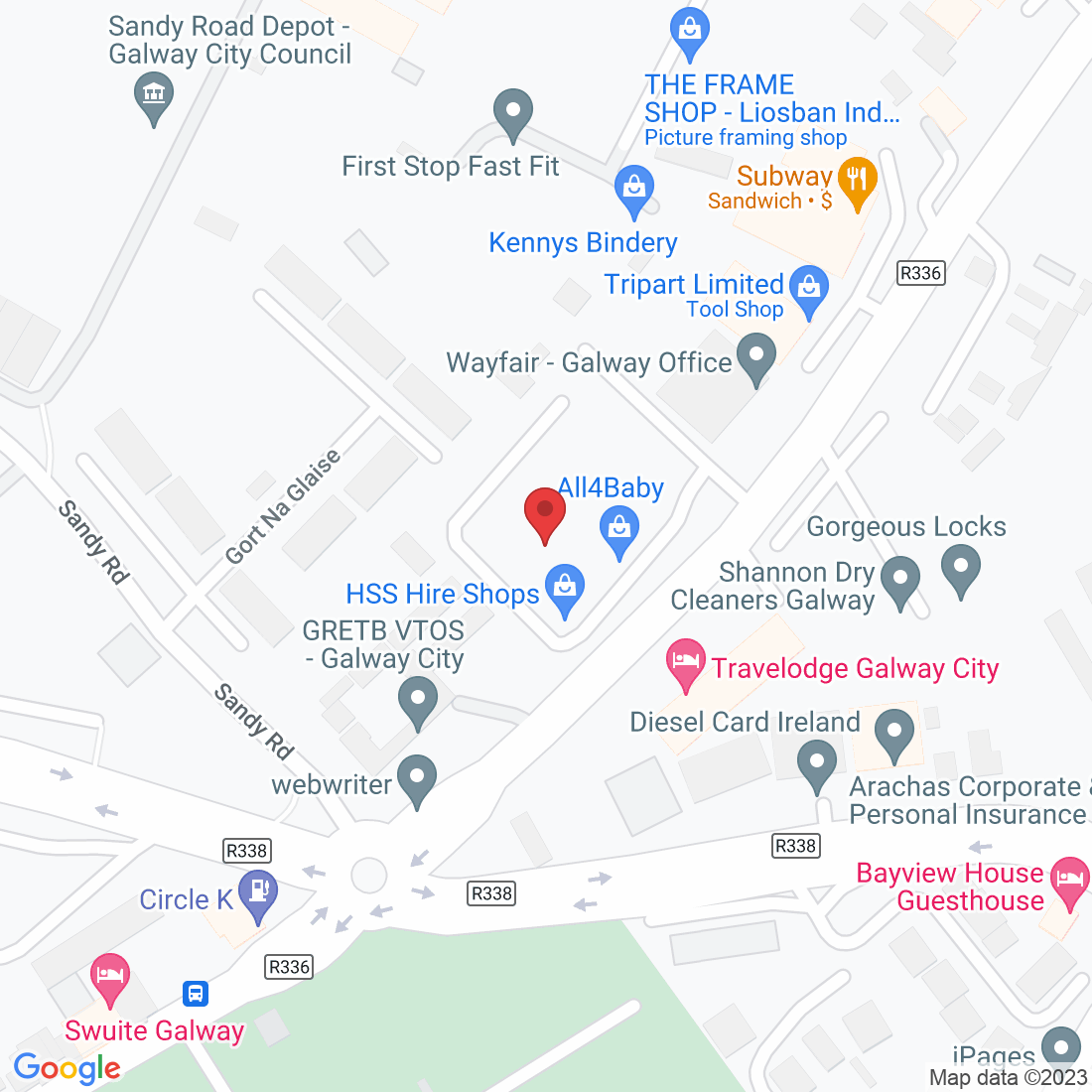
We are conveniently located in Unit 8D Liosban Business Park, Tuam road
Tuam Rd, Galway
Open 8am – 6pm (Mon-Fri)
Free Parking on our doorstep



Legal
How to get in touch
© Copyright 2022. Peak Podiatry All rights reserved.