
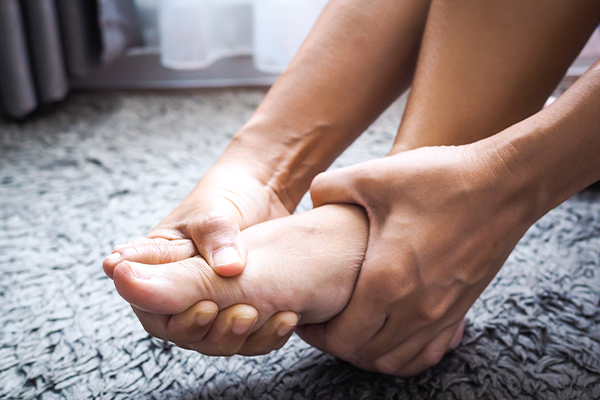
Flip-Flops and Foot Pain: What to Know
Understanding the Connection Between Flip-Flops and Foot Pain
At Peak Podiatry, we often encounter patients in Galway and Limerick who love the casual comfort of flip-flops. However, these popular footwear choices can lead to significant foot issues. This article examines the relationship between flip-flops and foot pain, helping you understand potential risks and how to mitigate them.
What Causes Foot Pain from Flip-Flops?
Flip-flops are often deemed a convenient and stylish option for summer, but they lack essential support and cushioning. Here are some specific reasons why wearing flip-flops can lead to foot pain:
- Lack of Arch Support: Most flip-flops provide minimal arch support, which can strain the plantar fascia — the tissue that connects your heel to your toes, leading to conditions like plantar fasciitis.
- Poor Shock Absorption: The thin soles do not absorb shock effectively, which can contribute to heel pain and increase the risk of stress fractures.
- Inadequate Heel Support: Flip-flops often allow for excessive movement of the heel, leading to instability and discomfort in the ankle and lower leg.
- Metatarsalgia: The lack of padding can result in pain in the metatarsal region — the ball of the foot — causing inflammation and discomfort.
- Tendonitis: The repetitive strain on the Achilles tendon from the foot’s flexing motion can lead to tendonitis, causing heel pain and limited mobility.
Who is Most Susceptible to Foot Pain When Wearing Flip-Flops?
While almost anyone can experience foot pain from flip-flops, certain populations are more vulnerable:
- Athletes: Those engaged in regular physical activity may find that the lack of support exacerbates pre-existing conditions like shin splints or plantar fasciitis.
- Individuals with Existing Foot Conditions: People with flat feet, high arches, or previous foot injuries are at a greater risk of developing pain.
- Older Adults: As we age, our feet lose cushioning, making them more susceptible to discomfort from poorly designed footwear.
How Can I Treat Foot Pain Caused by Flip-Flops?
If you begin to experience foot pain while wearing flip-flops, it's crucial to address the issue promptly. Here are several treatment options:
- Switch Footwear: Opt for sandals with arch support and cushioning. Look for brands that offer a contoured footbed.
- Orthotic Inserts: Custom orthotics can provide additional support and alleviate pain in the arch and heel.
- Stretching Exercises: Engage in regular stretching of the calf muscles and Achilles tendon to reduce tension.
- Icing: Apply ice to the affected areas post-activity to control inflammation and reduce pain.
- Consult a Podiatrist: If pain persists, visit your podiatrist at Peak Podiatry for a comprehensive evaluation and tailored treatment plan.
What Preventative Measures Can Be Taken When Wearing Flip-Flops?
Taking preventative measures can help mitigate foot pain associated with wearing flip-flops:
- Limit Use: Reserve flip-flops for short, low-impact activities rather than extended wear.
- Choose Quality: Invest in high-quality flip-flops designed with arch support, cushioning, and a non-slip sole.
- Wear Socks: In certain situations, wearing moisture-wicking socks can offer additional comfort and reduce the friction on your feet.
- Regular Foot Care: Maintain good foot hygiene, trim toenails, and moisturize to prevent calluses and other foot conditions.
When Should I Seek Professional Help?
It is essential to be proactive with foot health. You should consider visiting a professional if:
- Pain persists despite home treatment.
- You notice swelling, numbness, or changes in skin color.
- You have difficulty walking or standing.
FAQs About Flip-Flops and Foot Pain
1. Can wearing flip-flops cause long-term foot problems?
Yes, prolonged use of flip-flops can lead to chronic conditions such as plantar fasciitis, tendonitis, and metatarsalgia due to inadequate support and cushioning.
2. How can I choose a better sandal for my feet?
Look for sandals that offer good arch support, cushioning, and a sturdy heel cup. Brands that include orthotic design features are often a better choice.
3. Are there specific exercises to alleviate foot pain from flip-flops?
Yes, exercises to stretch the calves, strengthen the arch, and improve balance can help mitigate pain associated with flip-flop use.
4. What are the symptoms of plantar fasciitis?
Common symptoms include sharp heel pain, especially noticeable when taking the first steps in the morning or after sitting for a long period.
5. How can I contact Peak Podiatry for assistance?
You can easily book an appointment at Peak Podiatry in Galway or Limerick through our online booking system.
Conclusion
While flip-flops can be a comfortable summer choice, it’s vital to understand their potential implications for foot health. At Peak Podiatry in Galway or Limerick, we are committed to helping you maintain optimal foot health. If you're experiencing foot pain connected to your footwear, don’t hesitate to reach out.
Ready to take the first step towards healthier feet? Book an appointment with Peak Podiatry today.

Ask Robert And His Team
Fill in the form to request a Call From Our Team
Fill in the form to request a Call From Our Team
One of our team will call you for FREE and answer any questions or concerns you may have about your Foot Pain.
One of our team will call you for FREE and answer any questions or concerns you may have about your Foot Pain.

Where To Find Peak Podiatry Clinic
Ready to take the next step?
We are conveniently located in Unit 8D Liosban Business Park, Tuam road
Tuam Rd, Galway
Open 8am – 6pm (Mon-Fri)
Free Parking on our doorstep




Legal
How to get in touch
© Copyright 2022. Peak Podiatry All rights reserved.