
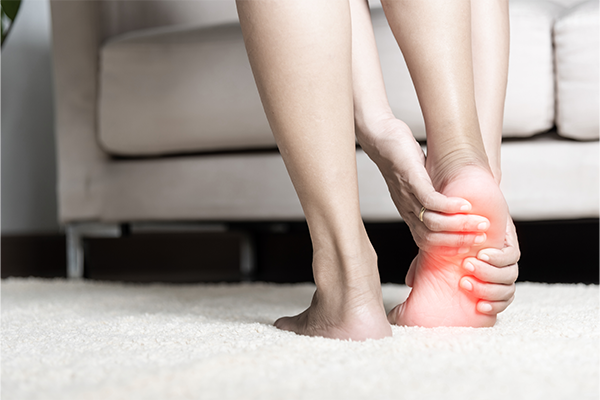
Limerick’s Protocol for Treating Pressure Sores on the Feet
Understanding Pressure Sores on the Feet
Pressure sores, also known as pressure ulcers or bedsores, are localized injuries that typically occur over bony prominences on the body, including the feet. These lesions result from prolonged pressure, often exacerbated by friction and shear forces. At Peak Podiatry in Limerick, we understand the significance of timely intervention in preventing complications associated with pressure sores.
What Causes Pressure Sores on the Feet?
Pressure sores on the feet can develop due to multiple factors:
- Prolonged Immobility: Individuals who are bedridden or have limited mobility are at higher risk.
- Diabetes: Patients with diabetes may have reduced blood flow and sensation in the feet, increasing the susceptibility to sores.
- Neuropathy: Loss of sensation can prevent individuals from recognizing prolonged pressure.
- Poor Nutrition: Inadequate nutrition and hydration can hinder skin health and healing capacity.
- Moisture and Friction: Excess moisture from sweat or incontinence can break down skin integrity.
How Can I Identify Early Signs of Pressure Sores?
Early detection is critical for effective treatment. Common early signs include:
- Redness or discoloration on the skin that does not fade when pressure is relieved.
- Warmth and swelling in the affected area.
- Pain or discomfort at the site.
- Changes in skin texture, such as hardness or softness.
What is Limerick’s Protocol for Treating Pressure Sores?
The Limerick Protocol encompasses a series of evidence-based steps designed to promote optimal healing of pressure sores on the feet. Here’s how we approach treatment at Peak Podiatry:
1. Assessment
A thorough assessment by a podiatrist is the first step in the treatment process. This includes evaluating the severity of the sore, assessing the patient's medical history, and identifying potential underlying causes.
2. Offloading Pressure
Offloading pressure from the affected area is crucial for healing. This may involve:
- Using specialized footwear or orthotic devices.
- Implementing dynamic support surfaces to redistribute weight.
- Educating the patient on proper weight shifts and positioning.
3. Wound Care
Proper wound care is vital for preventing infection and promoting healing:
- Cleaning the wound with saline or an appropriate wound cleanser.
- Applying advanced dressings that maintain a moist environment, which accelerates healing.
- Monitoring for signs of infection such as increased redness, swelling, or pus.
4. Nutritional Support
A balanced diet rich in protein, vitamins, and minerals supports skin health and enhances wound healing. Nutritional counseling may be incorporated as part of the treatment plan.
5. Continuous Monitoring
Regular follow-up appointments allow for continuous assessment of the sore's progress and adjustment of treatments as necessary. This includes evaluating the need for referrals to other specialists if systemic issues are present.
How Can I Prevent Pressure Sores on My Feet?
Prevention is always preferable to treatment. Here are actionable steps:
- Regularly change your position, particularly if you spend long periods sitting or lying down.
- Inspect your feet daily for any signs of pressure sores or abnormalities.
- Maintain good foot hygiene, keeping feet clean and dry.
- Choose appropriate footwear that fits well and provides adequate support.
- Stay hydrated and eat a balanced diet rich in nutrients.
Frequently Asked Questions (FAQ)
1. How long does it take for pressure sores to heal?
The healing time for pressure sores varies based on their severity. Stage I sores may heal within days, while more severe sores can take weeks or even months.
2. Can pressure sores recur?
Yes, individuals who are at high risk, such as those with limited mobility or diabetes, may experience recurring pressure sores. Continued preventative measures are essential.
3. Should I see a podiatrist if I have a pressure sore?
Yes, consulting a podiatrist is advisable, especially for wounds on the feet. Early intervention can significantly improve healing outcomes.
4. Can I treat pressure sores at home?
While minor pressure sores may be manageable at home, larger or more severe sores require professional treatment to reduce the risk of infection and complications.
5. What should I do if I notice a pressure sore developing?
If you notice signs of a pressure sore, it's important to seek prompt evaluation and treatment from a qualified podiatrist to prevent worsening of the condition.
Conclusion
At Peak Podiatry in Limerick, we are committed to providing the highest standard of care for patients suffering from pressure sores and related foot conditions. By following the Limerick Protocol and focusing on prevention, we aim to enhance your foot health and overall quality of life. If you or a loved one is experiencing symptoms of pressure sores, don't hesitate to book an appointment with us today for comprehensive care.

Ask Robert And His Team
Fill in the form to request a Call From Our Team
Fill in the form to request a Call From Our Team
One of our team will call you for FREE and answer any questions or concerns you may have about your Foot Pain.
One of our team will call you for FREE and answer any questions or concerns you may have about your Foot Pain.

Where To Find Peak Podiatry Clinic
Ready to take the next step?
We are conveniently located in Unit 8D Liosban Business Park, Tuam road
Tuam Rd, Galway
Open 8am – 6pm (Mon-Fri)
Free Parking on our doorstep




Legal
How to get in touch
© Copyright 2022. Peak Podiatry All rights reserved.