
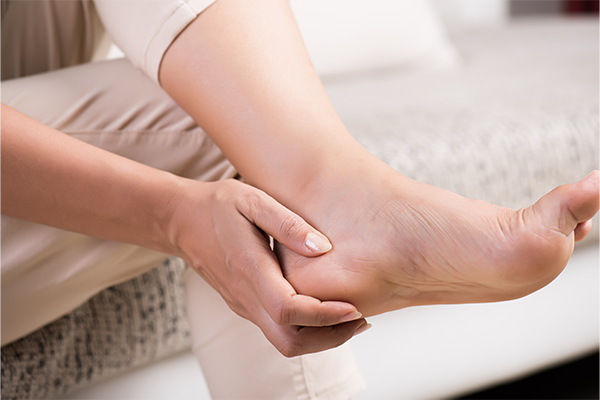
What Your Shoes Say About Foot Health (Galway)
What Your Shoes Say About Foot Health in Galway
Your choice of footwear can significantly impact your foot health, and at Peak Podiatry in Galway, we understand how vital it is to align your shoes with your foot needs. Footwear is not merely a fashion statement; it can be a window into the overall health of your feet. In this article, we'll explore what various types of shoes reveal about your foot health and provide insights into maintaining optimal foot well-being.
What Do Your Shoes Indicate About Foot Conditions?
Footwear often reveals underlying foot issues. Here are some common shoe-related indicators of specific foot conditions:
- Flat Feet: Individuals with flat feet may wear shoes that are excessively worn on the inside. This condition can lead to overpronation, causing discomfort in the arches.
- High Arches: People with high arches often need extra cushioning. If your shoes show uneven wear patterns, it may indicate an underlying issue with your foot structure.
- Plantar Fasciitis: This painful condition may be linked to inadequate support. Poor-quality footwear can exacerbate the heel pain associated with plantar fasciitis.
- Blisters and Corns: The presence of these indicators suggests ill-fitting shoes. Blisters often arise from friction between tight shoes and the foot.
- Neuromas: A pinched nerve, or neuroma, can be aggravated by narrow shoes, leading to pain in the ball of the foot. Look for shoes that provide adequate space for toes.
How Can I Choose the Right Shoes for My Foot Health?
Selecting appropriate footwear is crucial for maintaining foot health. Here are some tips for choosing shoes that support your feet:
- Fit Matters: Ensure that shoes fit well—neither too tight nor too loose. There should be adequate space for your toes without being cramped.
- Arch Support: Look for shoes that offer good arch support tailored to your specific foot type. This can prevent issues like plantar fasciitis and other pain syndromes.
- Cushioning: Adequate cushioning in the midsole can absorb shock, which is especially beneficial for those with conditions like arthritis.
- Foot Type: Understand your foot type, whether it's normal, flat, or high-arched, and select shoes accordingly. Specialty stores can often provide guidance.
- Material Choices: Opt for breathable materials that allow moisture and heat to escape, reducing the risk of fungal infections.
What Are Common Foot Problems Linked to Poor Shoes?
Poor footwear can lead to or exacerbate various foot conditions. Here are some common ones that are frequently associated with inappropriate shoe choices:
- Achilles Tendinitis: Shoes with inadequate support can place excessive strain on the Achilles tendon.
- Metatarsalgia: Poor cushioning leads to this painful condition in the ball of the foot.
- Hammertoes: Tight-fitting shoes can contribute to the development of hammertoes, a condition where the toes are abnormally bent.
- Fungal Infections: Shoes that don’t allow for proper airflow can create an environment conducive to fungal growth.
- Bunions: Pressure from narrow shoes may lead to bunion formation, requiring orthotic intervention.
How Can I Treat Foot Issues Caused by Poor Footwear?
If you're experiencing foot discomfort linked to your shoes, it is essential to first consult with a podiatrist. Here are some common treatment options:
- Orthotics: Custom orthotic insoles may be prescribed to enhance support and alignment.
- Physical Therapy: Targeted exercises can improve strength and flexibility, alleviating symptoms.
- Footwear Adjustments: Sometimes, simply changing your shoes can make a significant difference.
- Medication: Over-the-counter pain relievers may help manage discomfort, but it’s best to consult with your podiatrist first.
- Surgery: In severe cases, surgical intervention might be necessary to correct structural issues.
FAQ on Footwear and Foot Health
- Q: How often should I replace my shoes? A: It’s generally recommended to replace athletic shoes every 300-500 miles, while casual shoes should be replaced when they show signs of wear.
- Q: Can high heels affect my foot health? A: Yes, wearing high heels can lead to numerous issues, including bunions, hammertoes, and increased pressure on the forefoot.
- Q: What is the best shoe type for flat feet? A: Look for motion-control shoes with ample arch support and cushioning to manage the condition effectively.
- Q: Are there specific shoe brands recommended for foot health? A: While it can vary by individual needs, brands that focus on orthotic support and cushioning, like Brooks, New Balance, and ASICS, are often well-regarded.
- Q: Should I go shoe shopping in the morning or the evening? A: It’s best to shop for shoes in the evening when your feet are slightly swollen, as this will ensure a better fit.
In conclusion, the shoes you wear provide valuable insights into your foot health. At Peak Podiatry in Galway, we encourage you to pay attention to the signs your footwear may reveal. If you have any concerns about your foot health or need assistance in selecting the right shoes, don’t hesitate to book an appointment with us today!

Ask Robert And His Team
Fill in the form to request a Call From Our Team
Fill in the form to request a Call From Our Team
One of our team will call you for FREE and answer any questions or concerns you may have about your Foot Pain.
One of our team will call you for FREE and answer any questions or concerns you may have about your Foot Pain.

Where To Find Peak Podiatry Clinic
Ready to take the next step?
We are conveniently located in Unit 8D Liosban Business Park, Tuam road
Tuam Rd, Galway
Open 8am – 6pm (Mon-Fri)
Free Parking on our doorstep




Legal
How to get in touch
© Copyright 2022. Peak Podiatry All rights reserved.