
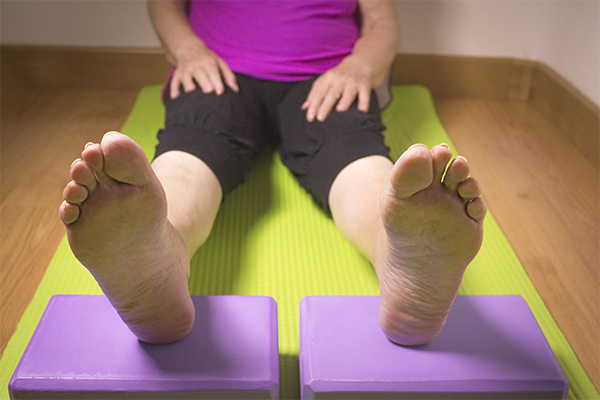
How Tight Shoes Affect Foot Structure
Introduction
At Peak Podiatry in Galway and Limerick, we understand the importance of proper footwear for maintaining healthy feet. Many people may not realize how tight shoes can drastically affect foot structure and overall foot health. This article delves into the effects of tight footwear, common conditions resulting from improper shoe fit, and recommendations for treatment and prevention.
What Causes Changes in Foot Structure?
Our feet are complex structures, consisting of bones, muscles, ligaments, and tendons that work together to support movement and balance. Wearing shoes that are too tight can create various biomechanical stresses on the foot, leading to deformities and discomfort. Tight shoes often compress the toes, resulting in conditions such as:
- Bunions: A bony bump that forms on the joint at the base of the big toe.
- Corns and Calluses: Thickened skin areas that develop due to friction and pressure.
- Hammertoes: A condition where one or more toes bend abnormally at the joints.
- Plantar Fasciitis: Inflammation of the plantar fascia, resulting in heel pain.
How Do Tight Shoes Affect Foot Anatomy?
The foot comprises 26 bones and numerous connective tissues that can be easily altered by external forces such as tightly fitting shoes. Here’s how regular wear of tight footwear can affect your feet:
- Restriction of Toe Movement: Tight shoes limit the natural movement of the toes, which can lead to misalignment and pain.
- Altered Gait Mechanics: Changes in foot morphology can affect how you walk, potentially leading to issues in the knees, hips, and lower back.
- Increased Pressure on the Foot: Shoes that do not fit properly can exacerbate existing issues or create new ones, as they concentrate pressure on specific areas.
What Are the Common Symptoms of Tight Shoes?
Individuals suffering from tight footwear may experience several symptoms, which include:
- Pain in the toes, foot arch, or heels.
- Swelling around the toes or the foot.
- Cramping in the feet during or after prolonged wear.
- Difficulty in maintaining balance while standing or walking.
- Visible deformities such as bunions or hammertoes.
How Can I Treat Foot Problems Caused by Tight Shoes?
For those who experience adverse effects from tight footwear, several treatment options are available:
- Footwear Adjustment: Opt for shoes with a wider toe box and softer materials to alleviate pressure.
- Orthotic Inserts: Custom or over-the-counter orthotics can provide additional arch support and cushioning.
- Physical Therapy: Engaging with a physical therapist can help strengthen foot muscles and improve gait mechanics.
- Medications: Over-the-counter non-steroidal anti-inflammatory drugs (NSAIDs) can help reduce inflammation and pain.
- Surgery: In severe cases, surgical intervention may be necessary to correct structural foot problems.
How Can I Prevent Foot Problems from Tight Shoes?
Preventing foot issues related to tight shoes is crucial for long-term foot health. Here are some practical tips:
- Always try on shoes before purchasing, ensuring there is enough room for the toes to move freely.
- Select shoes made of breathable materials that allow for foot expansion throughout the day.
- Consider specialty footwear for specific activities, such as running or formal events, to minimize impact on foot structure.
- Regularly assess your foot health and shoe fit, particularly if you notice any discomfort.
FAQ
1. Can tight shoes cause permanent damage to my feet?
Yes, prolonged use of tight shoes can lead to permanent deformities and chronic pain conditions such as bunions or hammertoes.
2. How can I tell if my shoes are too tight?
Signs of tight shoes include persistent pain, redness, swelling, or noticeable indentations on your toes after wearing them.
3. Are there specific types of shoes I should avoid?
Avoid high heels and shoes with narrow toe boxes, as they place excessive pressure on the toes and can exacerbate foot problems.
4. How often should I replace my shoes to maintain foot health?
On average, shoes should be replaced every 300 to 500 miles for athletic shoes and every 6 to 12 months for everyday wear, depending on usage.
5. When should I see a podiatrist for foot pain?
If you experience ongoing pain, swelling, or if you notice any changes to the shape of your feet, it’s advisable to consult a podiatrist for evaluation and treatment options.
Conclusion
At Peak Podiatry, located in Galway and Limerick, we prioritize your foot health. Understanding how tight shoes can affect your foot structure is essential for making informed footwear choices. If you are experiencing any foot-related issues, we encourage you to schedule an appointment with us for a comprehensive foot evaluation and personalized treatment plan. Book your visit today!

Ask Robert And His Team
Fill in the form to request a Call From Our Team
Fill in the form to request a Call From Our Team
One of our team will call you for FREE and answer any questions or concerns you may have about your Foot Pain.
One of our team will call you for FREE and answer any questions or concerns you may have about your Foot Pain.

Where To Find Peak Podiatry Clinic
Ready to take the next step?
We are conveniently located in Unit 8D Liosban Business Park, Tuam road
Tuam Rd, Galway
Open 8am – 6pm (Mon-Fri)
Free Parking on our doorstep




Legal
How to get in touch
© Copyright 2022. Peak Podiatry All rights reserved.