

Why Does My Achilles Tendon Hurt After Exercise?
Understanding Achilles Tendon Pain After Exercise
If you're experiencing pain in your Achilles tendon after exercise, you're not alone. Many individuals, especially athletes and physically active people in Galway and Limerick, report similar discomfort. At Peak Podiatry, we understand how critical it is to identify the cause of this pain and provide effective treatment options. This article explores why your Achilles tendon may be hurting post-exercise and what steps you can take for relief.
What Causes Achilles Tendon Pain?
The Achilles tendon, which connects the calf muscles to the heel bone, is essential for activities such as running, jumping, and walking. Pain in this area can arise from various factors:
- Achilles Tendinitis: Inflammation of the tendon often caused by repetitive stress due to overuse, improper footwear, or sudden increases in activity intensity.
- Achilles Tendinosis: A chronic condition that results from long-term wear and tear leading to degeneration of the tendon.
- Enthesopathy: Inflammation where the Achilles tendon attaches to the heel bone, often linked to conditions like plantar fasciitis.
- Partial or Complete Tears: Overstretching or heavy impact can lead to tears in the tendon, often requiring medical intervention.
- Biomechanical Issues: Structural foot problems, such as flat feet or high arches, can alter foot mechanics and put additional strain on the Achilles tendon.
How Can I Treat Achilles Tendon Pain?
Treatment for Achilles tendon pain varies depending on the underlying cause and severity. Here are recommended strategies:
- Rest: Allow adequate time for recovery; avoid activities that exacerbate the pain.
- Icing: Applying ice packs for 15-20 minutes can help reduce swelling and alleviate pain.
- Compression: Use compression wraps or socks to minimize discomfort and support the tendon.
- Elevation: Keep your foot elevated to help reduce inflammation.
- Physical Therapy: A podiatrist may recommend exercises to strengthen the calf and Achilles tendon while improving flexibility.
- Orthotics: Custom foot orthotics can aid in correcting biomechanical issues and providing better foot support.
- Medications: Non-steroidal anti-inflammatory drugs (NSAIDs) can mitigate inflammation and relieve pain.
- Injections: In some cases, corticosteroid injections may be advised to reduce inflammation.
- Surgery: Severe cases with ruptures or tendinosis may require surgical repair or debridement.
Can I Prevent Achilles Tendon Pain?
Preventative measures can greatly reduce the risk of developing Achilles tendon pain:
- Wearing Appropriate Footwear: Use shoes that provide adequate support and cushioning.
- Gradual Progression: Increase exercise intensity and duration slowly to allow your body to adapt.
- Proper Stretching: Incorporate dynamic stretches for your calves and Achilles tendon before and after activity.
- Cross-Training: Combine different types of exercise to reduce repetitive strain on the Achilles tendon.
When Should I See a Podiatrist?
If your Achilles tendon pain persists despite home treatment or if you experience severe pain, difficulty walking, or swelling, consult a podiatrist. At Peak Podiatry, our specialists in Galway and Limerick can perform a thorough assessment and recommend a personalized treatment plan tailored to your needs.
Frequently Asked Questions (FAQ)
1. What are the symptoms of Achilles tendon injury?
Common symptoms include pain or stiffness in the Achilles tendon, especially in the morning or after periods of inactivity, swelling, and a feeling of warmth in the area.
2. Is surgery always required for Achilles tendon injuries?
No, surgery is typically reserved for severe injuries or those that do not respond to conservative treatment options. Most cases can be managed with physical therapy and other non-invasive treatments.
3. How long does recovery from Achilles tendon pain take?
Recovery time varies depending on the severity of the injury. Mild cases may improve within a few weeks, while chronic degeneration can take several months of rehabilitation.
4. Can I continue exercising with Achilles tendon pain?
It's essential to listen to your body. If activities exacerbate the pain, it's best to rest and seek medical advice. Low-impact exercises like swimming or cycling may be alternatives during recovery.
5. How can I strengthen my Achilles tendon?
Strength exercises, such as calf raises or resistance band stretches, as well as a guided physical therapy program, can help strengthen the Achilles tendon safely.
Conclusion
Experiencing Achilles tendon pain after exercise is a common concern, but with the right knowledge and treatment, you can find relief and prevent further issues. At Peak Podiatry in Galway and Limerick, our experienced podiatrists are here to help you understand your condition and guide you toward a pain-free lifestyle. Book your appointment today to start your journey to recovery!

Ask Robert And His Team
Fill in the form to request a Call From Our Team
Fill in the form to request a Call From Our Team
One of our team will call you for FREE and answer any questions or concerns you may have about your Foot Pain.
One of our team will call you for FREE and answer any questions or concerns you may have about your Foot Pain.

Where To Find Peak Podiatry Clinic
Ready to take the next step?
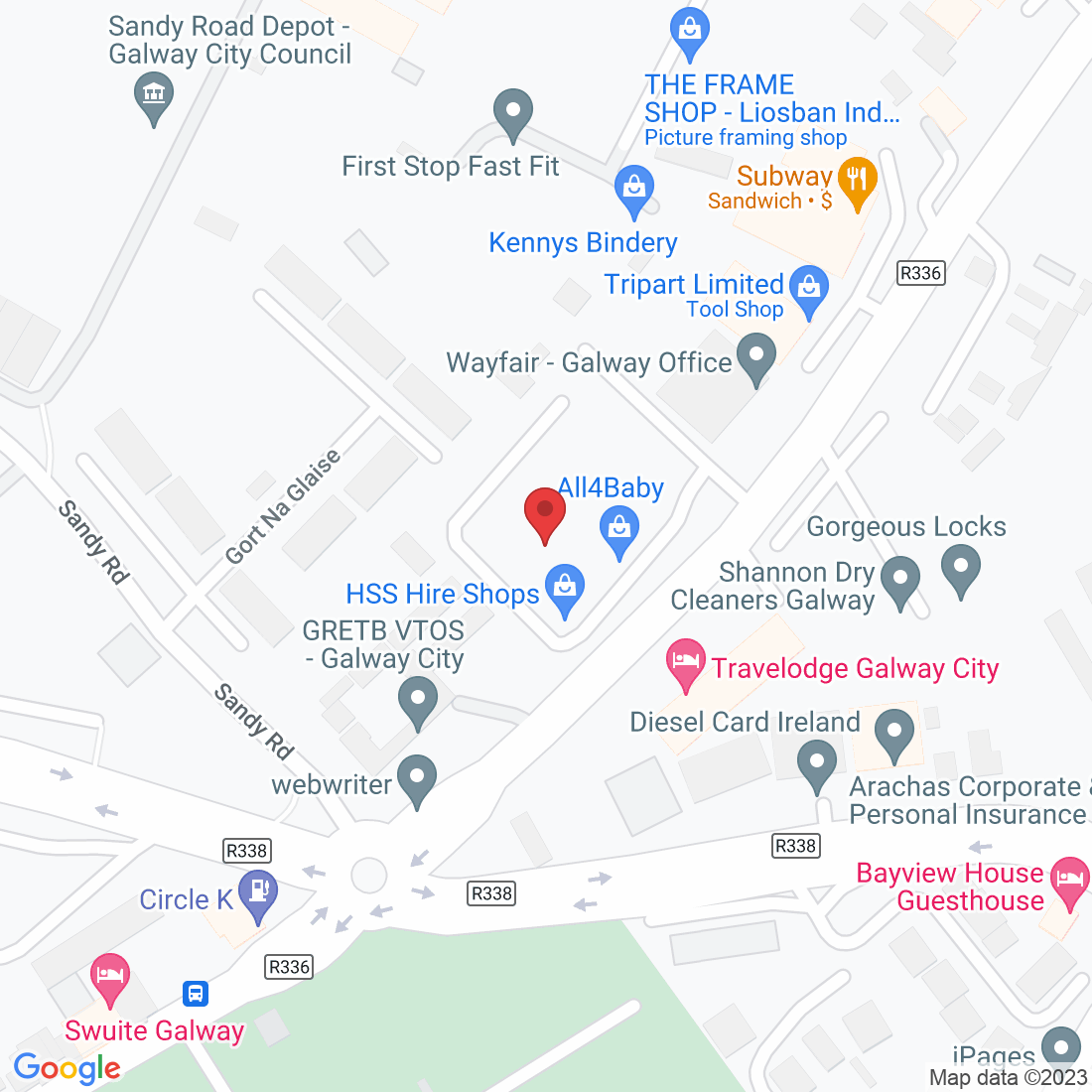
We are conveniently located in Unit 8D Liosban Business Park, Tuam road
Tuam Rd, Galway
Open 8am – 6pm (Mon-Fri)
Free Parking on our doorstep



Legal
How to get in touch
© Copyright 2022. Peak Podiatry All rights reserved.