
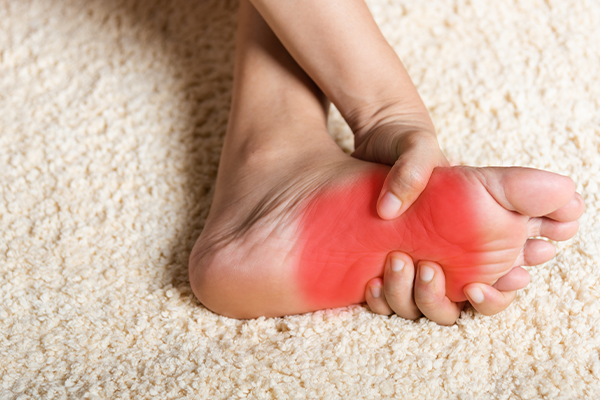
How We Treat Slow-Healing Wounds at Our Galway Clinic
Understanding Slow-Healing Wounds
Slow-healing wounds can be a serious concern, particularly for individuals with underlying health conditions. At Peak Podiatry in Galway, we specialize in the assessment and treatment of these challenging conditions to help our patients regain their foot health. This blog post will explore the causes of slow-healing wounds, how these wounds are treated in our clinic, and what you can do to support your healing process.
What Causes Slow-Healing Wounds?
Several factors contribute to slow-healing wounds, particularly on the feet. Here are some of the most common causes:
- Diabetes: Diabetic patients often suffer from peripheral neuropathy and reduced blood flow, which can hinder the healing process.
- Peripheral Artery Disease: Reduced blood flow due to narrowed arteries can impede wound healing.
- Infections: Bacterial infections can complicate existing wounds, making them heal slower.
- Pressure Ulcers: Continuous pressure on bony areas can lead to ulcers, especially for those with limited mobility.
- Poor Nutrition: A diet lacking essential nutrients can negatively affect the body's ability to repair itself.
How Can I Treat Slow-Healing Wounds?
Effective treatment begins with a thorough examination by a qualified podiatrist. At Peak Podiatry, we follow a systematic approach to manage slow-healing wounds:
1. Comprehensive Assessment
Our team will conduct a complete assessment of your feet, taking into consideration your medical history, lifestyle, and any underlying health issues.
2. Debridement
For wounds that have dead tissue, debridement is critical. This procedure helps to remove necrotic tissue, promoting a healthier wound environment. We use both surgical and non-surgical debridement techniques depending on the wound's condition.
3. Infection Control
If an infection is present, we may prescribe topical or oral antibiotics as necessary to manage the infection effectively.
4. Advanced Dressings
Utilizing advanced wound dressings tailored to your specific injury can enhance the healing process. Choices might include hydrocolloid, alginate, or silver dressings, which create a moist environment ideal for healing.
5. Offloading Pressure
In cases of ulcers and pressure wounds, relieving pressure is paramount. This may involve using specialized footwear, casts, or orthotics designed to redistribute weight away from the affected area.
6. Addressing Underlying Conditions
We work closely with you to manage any underlying health conditions, such as diabetes, that may be contributing to slow healing.
What Can You Do to Support Wound Healing?
In addition to professional treatment, there are several steps you can take to encourage your wound to heal faster:
- Maintain Good Hygiene: Keep the affected area clean and dry.
- Optimize Nutrition: Eat a balanced diet rich in vitamins and minerals, particularly protein, vitamin C, and zinc.
- Stay Hydrated: Adequate hydration supports overall health and can improve skin elasticity.
- Avoid Smoking: Smoking can adversely affect blood flow and delay healing.
FAQs About Slow-Healing Wounds
- What does it mean if my wound isn’t healing?
A slow or stagnant healing process may indicate infection or underlying health issues, such as diabetes. - How can I prevent foot ulcers?
Regular foot care, appropriate footwear, and controlling blood sugar levels can significantly reduce your risk. - When should I see a podiatrist for a wound?
If your wound shows signs of infection, or if it does not improve within a few days, it is wise to seek professional advice. - Can I use over-the-counter products on my slow-healing wound?
Consult with a podiatrist before using any over-the-counter treatments, as they may not be suitable for your condition. - How long does it typically take for a slow-healing wound to heal?
The healing time can vary based on the wound type, underlying conditions, and treatment protocol, ranging from weeks to months.
Contact Us for Effective Wound Care
If you are dealing with a slow-healing wound, do not wait for it to worsen. At Peak Podiatry in Galway, our dedicated team is here to provide you with the comprehensive care you need. Schedule an appointment today, and let us help you on your journey to recovery.
Book your appointment now and take the first step toward healthier feet.

Ask Robert And His Team
Fill in the form to request a Call From Our Team
Fill in the form to request a Call From Our Team
One of our team will call you for FREE and answer any questions or concerns you may have about your Foot Pain.
One of our team will call you for FREE and answer any questions or concerns you may have about your Foot Pain.

Where To Find Peak Podiatry Clinic
Ready to take the next step?
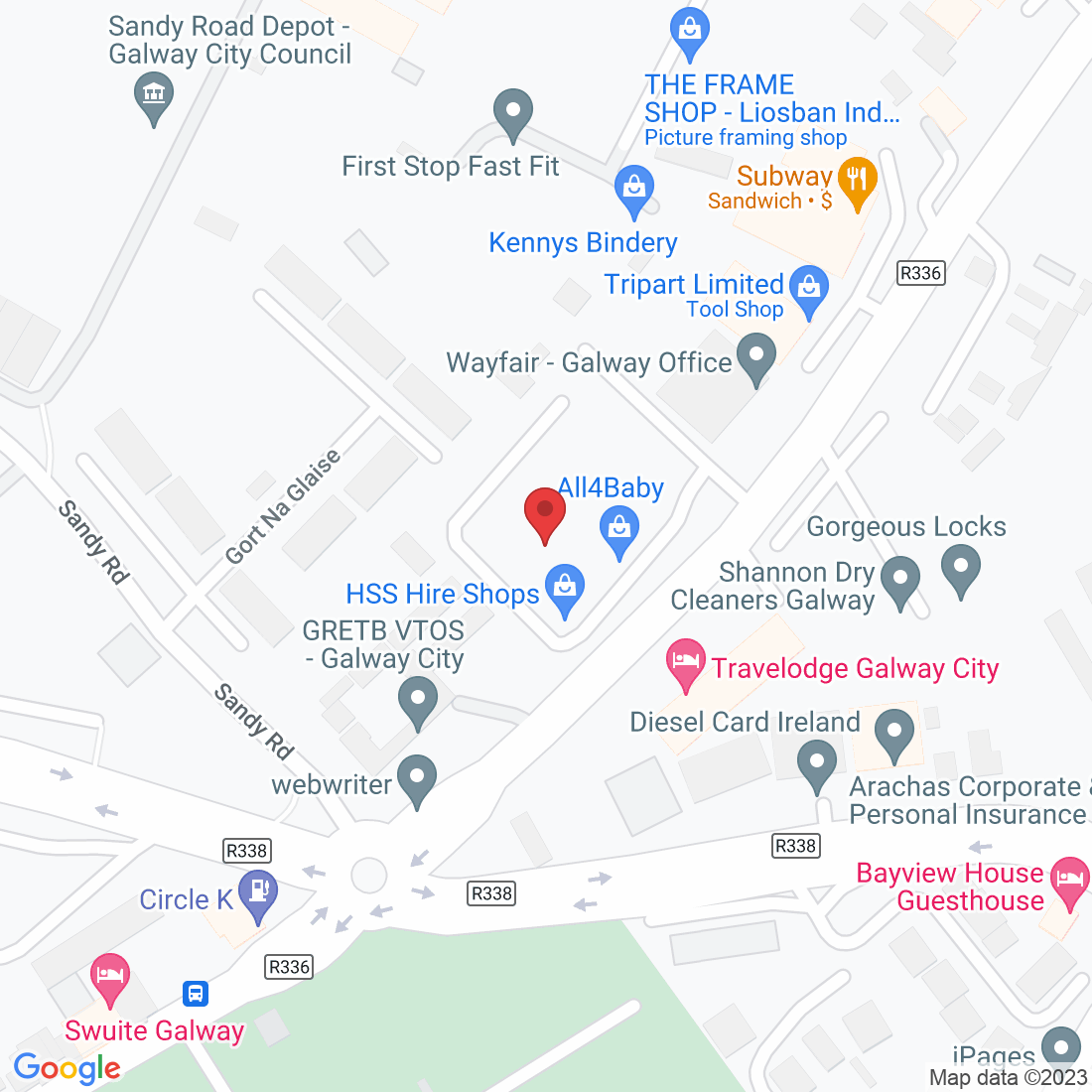
We are conveniently located in Unit 8D Liosban Business Park, Tuam road
Tuam Rd, Galway
Open 8am – 6pm (Mon-Fri)
Free Parking on our doorstep



Legal
How to get in touch
© Copyright 2022. Peak Podiatry All rights reserved.