
Can You Still Run with Plantar Fasciitis? Limerick Advice
Can You Still Run with Plantar Fasciitis? Limerick Advice
If you’re an avid runner and have recently been diagnosed with plantar fasciitis, you may be wondering whether it’s possible to continue running while managing this common foot condition. At Peak Podiatry, located in Limerick, our team of experts is here to provide you with evidence-based advice that can help you navigate your running routine while addressing plantar fasciitis symptoms.
What is Plantar Fasciitis?
Plantar fasciitis is characterized by inflammation of the plantar fascia, a thick band of tissue that runs along the bottom of your foot, connecting your heel bone to your toes. This condition often leads to heel pain, particularly after prolonged periods of resting or in the morning when first getting out of bed.
What Causes Plantar Fasciitis?
The causes of plantar fasciitis can be multifactorial, including:
- Overuse: Increased activity levels, especially high-impact sports like running.
- Biomechanical issues: Flat feet, high arches, or abnormal walking patterns that put additional stress on the plantar fascia.
- Obesity: Excess body weight can create additional pressure on the heels.
- Age: With age, the plantar fascia can lose elasticity, increasing the risk of injury.
- Improper footwear: Wearing shoes that lack adequate arch support or cushioning can aggravate the condition.
Can You Still Run with Plantar Fasciitis?
The short answer is: yes, but with caution and appropriate adjustments to your routine. Continuing to run while managing plantar fasciitis is possible if you take the right steps to minimize pain and prevent further injury. Here are some key pieces of advice:
1. Listen to Your Body
If running exacerbates your symptoms, it may be beneficial to cut back on distance or intensity. Pay attention to the pain levels during and after a run, and adjust your activities accordingly. If the pain worsens, consider switching to low-impact exercises such as cycling or swimming.
2. Choose the Right Footwear
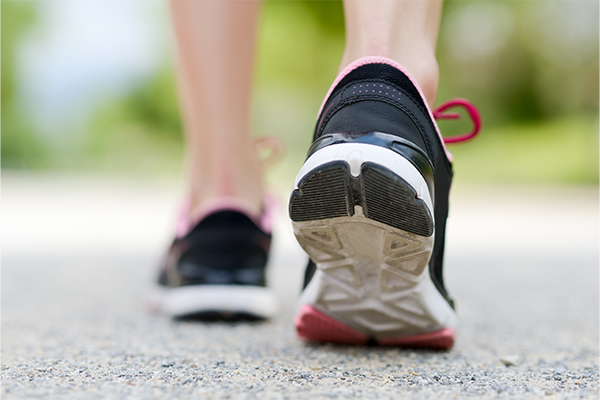
Investing in well-fitted, supportive running shoes is crucial. Look for shoes that offer adequate arch support and cushioning. Avoid worn-out shoes, as they can lead to further irritation of your plantar fascia.
3. Incorporate Stretching and Strengthening Exercises
Engaging in calf and plantar fascia stretching before and after running can help alleviate tension. Strengthening the muscles in your feet, lower legs, and core also provides additional support to the plantar fascia. Consider the following exercises:
- Calf stretches: Stand facing a wall, place both hands on the wall, and step one foot back, keeping it straight while bending the front knee.
- Toe curls: While seated, use your toes to curl a towel towards you, engaging the arch and toes.
- Arch lifts: Stand flat-footed and try to lift your arches while keeping your toes and heels on the ground.
4. Gradually Increase Your Mileage
If you choose to continue running, gradually increase your mileage by no more than 10% per week. This helps prevent overuse injuries and allows your body time to adapt.
5. Consider Professional Treatment
Consultation with a podiatrist can provide personalized treatment options. Treatments may include:
- Custom orthotics for better support.
- Physical therapy focused on stretching and strengthening.
- Shoe recommendations tailored to your foot type and running style.
- Nonsteroidal anti-inflammatory drugs (NSAIDs) to manage pain and inflammation.
- Corticosteroid injections in severe cases.
How Can I Treat Plantar Fasciitis at Home?
Home treatment options can be effective in managing plantar fasciitis symptoms:
- Ice therapy: Apply ice packs to the affected area for 15-20 minutes multiple times a day to reduce inflammation.
- Rest: Include rest days in your running schedule to allow your feet to recover.
- Foot elevation: Prop your feet up to reduce swelling, especially after runs.
Frequently Asked Questions (FAQ)
- What are the symptoms of plantar fasciitis? Common symptoms include sharp heel pain, tenderness at the base of the heel, and stiffness in the foot, particularly in the morning.
- How long does it take to heal from plantar fasciitis? Recovery time varies, but many individuals see improvement within a few months with appropriate treatment.
- Can I run barefoot if I have plantar fasciitis? It’s not recommended to run barefoot with plantar fasciitis, as it may aggravate the condition further.
- Is running bad for plantar fasciitis? Running is not inherently bad, but modifications should be made to avoid worsening the condition.
- When should I see a podiatrist? If your symptoms persist despite at-home treatments or worsen, it’s time to consult a podiatrist for a comprehensive evaluation.
In conclusion, while managing plantar fasciitis may require adjustments in your running routine, it is possible to continue enjoying this activity with the right precautions. At Peak Podiatry in Limerick, we are committed to helping you navigate your path to recovery. Book a consultation today to get personalized advice on running with plantar fasciitis and to explore treatment options that are best for you.

Ask Robert And His Team
Fill in the form to request a Call From Our Team
Fill in the form to request a Call From Our Team
One of our team will call you for FREE and answer any questions or concerns you may have about your Foot Pain.
One of our team will call you for FREE and answer any questions or concerns you may have about your Foot Pain.

Where To Find Peak Podiatry Clinic
Ready to take the next step?
We are conveniently located in Unit 8D Liosban Business Park, Tuam road
Tuam Rd, Galway
Open 8am – 6pm (Mon-Fri)
Free Parking on our doorstep




Legal
How to get in touch
© Copyright 2022. Peak Podiatry All rights reserved.