
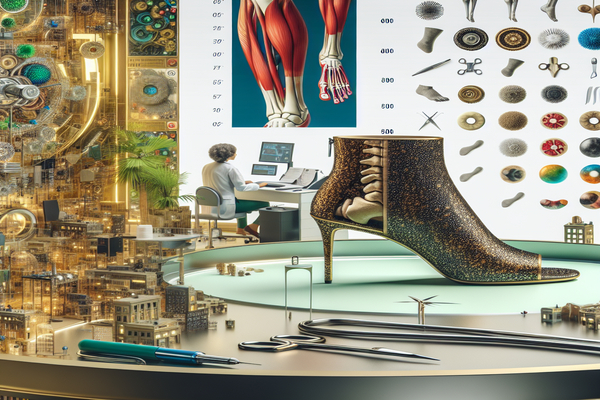
Wearing Heels Often? Here’s What It Could Be Doing to Your Feet
Wearing Heels Often? Here’s What It Could Be Doing to Your Feet
At Peak Podiatry in Galway, we understand that many people admire the elegance of high-heeled shoes. However, the reality is that wearing heels often can have serious consequences for your foot health. This post will explore the effects of high heels on your feet and body, along with prevention and treatment options. Our goal is to provide you with evidence-based information that can help you make informed choices regarding your footwear.
What Causes Foot Pain from High Heels?
Wearing high heels alters the natural position of your feet and places undue stress on various structures in your lower limbs. Here are some key anatomical and biomechanical changes:
- Increased Pressure on the Forefoot: High heels shift the body weight forward, placing excessive pressure on the metatarsal heads in the forefoot. This can lead to conditions like metatarsalgia.
- Altered Gait Mechanics: High heels force the wearer to adopt a different walking pattern, which can lead to muscle imbalances and contribute to overuse injuries.
- Shortened Achilles Tendon: Prolonged heel wear can shorten the Achilles tendon, leading to conditions such as Achilles tendinitis or plantar fasciitis.
What Are the Common Foot Conditions Associated with High Heels?
Repeatedly wearing high heels can lead to several specific foot conditions:
- Bunions: A bunion is a bony bump that forms at the base of the big toe, often aggravated by narrow, pointed toe boxes in high heels.
- Hammertoes: This condition involves abnormal bending of the toe joints, leading to pain and discomfort.
- Neuroma: Morton’s neuroma, a thickening of nerve tissue between the toes, is commonly precipitated by tight-fitting shoes.
- Plantar Fasciitis: Inflammation of the fascia on the bottom of the foot, frequently exacerbated by improper footwear.
- Achilles Tendinitis: Chronic strain on the Achilles tendon can lead to painful inflammation, making it difficult to walk comfortably.
How Can I Mitigate the Negative Effects of High Heels?
Understanding the risks is the first step towards healthier footwear choices. Here are some practical tips to mitigate the effects:
- Limit Wear Time: Try to restrict your use of high heels to special occasions. Give your feet a break and alternate with supportive footwear.
- Select Appropriate Heels: Choose heels that are lower in height and have wider toes. Styles with added arch support can help reduce pressure on the feet.
- Practice Proper Foot Care: Regularly stretch your feet and calves to maintain flexibility in the Achilles tendon.
- Use Orthotics: Custom orthotics can help better distribute weight across your feet, alleviating some of the pressure caused by high heels.
- Consult a Podiatrist: Regular check-ups can catch early signs of foot conditions, allowing for timely intervention.
How Can I Treat Foot Pain from Wearing Heels?
If you're experiencing pain from high heel wear, effective treatment options include:
- Physical Therapy: A qualified physical therapist can develop a personalized plan to strengthen the muscles supporting your feet and ankles.
- Ice Therapy: Applying ice can help reduce inflammation and swelling associated with various foot conditions.
- Medication: Over-the-counter anti-inflammatory medications may ease pain and reduce swelling.
- Footwear Modification: Sometimes, simply changing your shoes can provide relief. Look for shoes with broader toe boxes and lower heels.
- Surgery: In severe cases, surgical intervention may be necessary to correct structural foot issues exacerbated by repeated high heel use.
FAQs about High Heels and Foot Health
1. Are high heels bad for my feet?
Yes, frequent use of high heels can lead to a variety of foot problems, including pain, bunions, and other musculoskeletal issues.
2. What can I do to alleviate foot pain from wearing high heels?
Consider wearing supportive shoes when not in heels, using orthotics, and practicing foot exercises to strengthen and stretch your muscles.
3. How often should I see a podiatrist if I wear high heels regularly?
It’s wise to schedule regular check-ups, especially if you start to experience foot discomfort or notice any structural changes.
4. Are there any specific foot exercises I can do at home?
Yes, calf stretches, toe raises, and foot rolling with a tennis ball can help strengthen and relieve tension in your feet.
5. Can changing my shoes help when I'm experiencing pain?
Absolutely. Switching to a more supportive shoe can provide relief and prevent further foot issues.
At Peak Podiatry in Galway, we are dedicated to helping our patients maintain healthy feet and prevent pain related to footwear choices. If you are experiencing discomfort or have concerns about wearing high heels, book an appointment with us today. Our expert podiatrists are here to help you with personalized care and treatment options.

Ask Robert And His Team
Fill in the form to request a Call From Our Team
Fill in the form to request a Call From Our Team
One of our team will call you for FREE and answer any questions or concerns you may have about your Foot Pain.
One of our team will call you for FREE and answer any questions or concerns you may have about your Foot Pain.

Where To Find Peak Podiatry Clinic
Ready to take the next step?
We are conveniently located in Unit 8D Liosban Business Park, Tuam road
Tuam Rd, Galway
Open 8am – 6pm (Mon-Fri)
Free Parking on our doorstep




Legal
How to get in touch
© Copyright 2022. Peak Podiatry All rights reserved.