
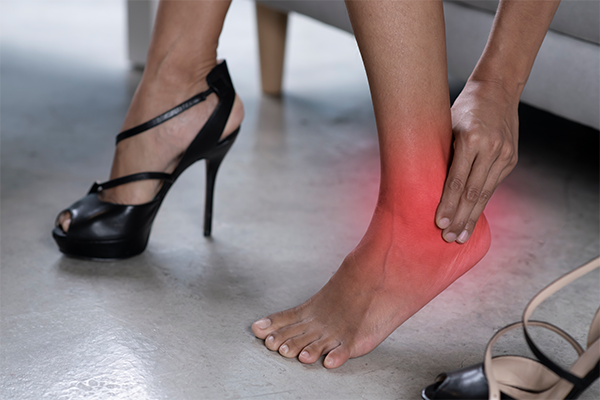
Breaking In Custom Insoles: Tips from Our Galway Foot Clinic
Introduction
Welcome to Peak Podiatry, your trusted foot clinic in Galway. If you've recently invested in custom insoles to address your foot health, understanding how to properly break them in is essential. Custom insoles are designed to support your unique foot anatomy, alleviate pain, and improve your overall mobility. However, transitioning to a new set of insoles may leave you wondering about the best approach to ensure comfort and effectiveness. In this guide, we'll provide practical tips derived from clinical practices and patient experiences.
What Are Custom Insoles?
Custom insoles, or orthotics, are specially crafted foot supports designed to correct biomechanical foot issues. They help distribute body weight evenly, relieve pressure points, and improve alignment. Conditions such as plantar fasciitis, flat feet, and bunions can significantly benefit from these orthotic devices. When properly fitted and broken in, custom insoles can lead to significant improvements in comfort and foot health.
Why Is Breaking in Custom Insoles Important?
Custom insoles require a breaking-in period to ensure they align with your foot's natural contours and gait. Rushing this process may lead to discomfort, blisters, or other complications. Gradually acclimating your feet to the new insoles will help maximize their benefits while minimizing any transitional discomfort.
How to Break In Your Custom Insoles
Here are some essential tips to effectively break in your custom insoles:
- Start Slowly: Wear your custom insoles for short periods, beginning with 1-2 hours a day. Gradually increase wear time by one hour each day, monitoring any discomfort.
- Mix with Regular Shoes: Alternate between your custom insoles and regular footwear during the initial adjustment period. This will help your feet adapt without overwhelming them.
- Choose Appropriate Footwear: Ensure that the shoes you wear with your custom insoles have adequate room and support. Shoes with a cushioned sole and good arch support are ideal.
- Pay Attention to Your Feet: Listen to your body. If you experience persistent pain or discomfort, reduce the wearing time and consult your podiatrist at Peak Podiatry.
- Maintain Proper Hygiene: Keep your insoles clean and dry to prevent bacterial growth. Regularly inspect them for signs of wear or damage.
What Should I Expect When Breaking In Custom Insoles?
Initially, you may feel slight discomfort, especially if your insoles provide support for a condition you’ve been living with for some time. Expect to experience increased stability, improved alignment, and potentially some mild soreness as your feet adjust. Most patients find that these sensations diminish as they progress through the breaking-in phase.
What Common Foot Conditions Can Be Improved with Custom Insoles?
Custom insoles can effectively treat a variety of foot conditions, including:
- Plantar Fasciitis: Provides arch support and cushioning to alleviate heel pain.
- Flat Feet: Corrects foot alignment and helps distribute body weight evenly.
- Metatarsalgia: Reduces stress on the metatarsal bones by providing additional cushioning.
- Bunions: Aids in proper alignment to lessen pressure on the big toe joint.
- Achilles Tendinitis: Relieves load on the Achilles tendon through improved foot function.
How Long Does it Take to Break In Custom Insoles?
The breaking-in period can vary widely based on the individual and the severity of their foot condition. Most patients find that a period of 1-2 weeks is sufficient for an effective adjustment. However, some individuals may require a few additional days of gradual usage. Always consult your podiatrist if you have concerns regarding your comfort during this transition.
FAQ
Q1: How do I know if my custom insoles are fitting correctly?
A1: Properly fitting insoles should feel snug but not overly tight. You shouldn't experience any pinching or slipping. If discomfort persists, consult your podiatrist for adjustments.
Q2: Can I wear custom insoles with any type of shoe?
A2: Custom insoles can be used in most shoes, but they work best in footwear designed for arch support, like athletic shoes or dress shoes with removable insoles.
Q3: What should I do if my insoles cause pain?
A3: If your custom insoles cause pain, reduce wearing time and revisit your podiatrist to assess the fit and adjust if necessary.
Q4: How often should I replace my custom insoles?
A4: Custom insoles generally last from 1-3 years, depending on wear and tear. Regular assessments by your podiatrist can help determine when replacement is needed.
Q5: Will insurance cover the cost of custom insoles?
A5: Many insurance plans provide some coverage for custom orthotics, but it's best to check with your specific provider for details.
Conclusion
Breaking in your custom insoles can optimize their effectiveness and enhance your foot health. At Peak Podiatry in Galway, we understand the importance of finding the right balance and support for your unique foot structure. If you have any questions or concerns about your custom insoles, please book an appointment with us today. Our team is dedicated to guiding you through your path to optimal foot health.

Ask Robert And His Team
Fill in the form to request a Call From Our Team
Fill in the form to request a Call From Our Team
One of our team will call you for FREE and answer any questions or concerns you may have about your Foot Pain.
One of our team will call you for FREE and answer any questions or concerns you may have about your Foot Pain.

Where To Find Peak Podiatry Clinic
Ready to take the next step?
We are conveniently located in Unit 8D Liosban Business Park, Tuam road
Tuam Rd, Galway
Open 8am – 6pm (Mon-Fri)
Free Parking on our doorstep




Legal
How to get in touch
© Copyright 2022. Peak Podiatry All rights reserved.