
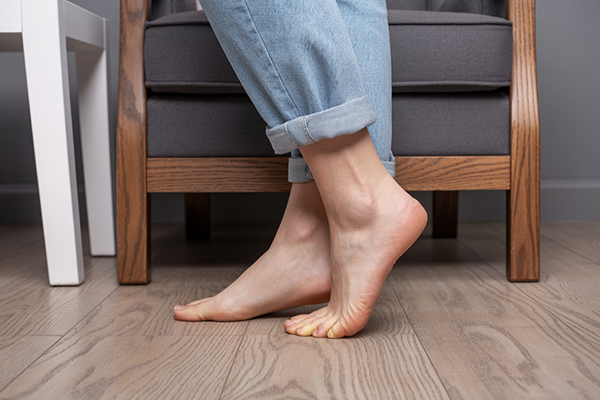
Foot Pain After Long Walks: What Helps
Understanding Foot Pain After Long Walks
Experiencing foot pain after long walks can be distressing, particularly for those who are active or enjoy outdoor activities. At Peak Podiatry, located in both Galway and Limerick, we understand how crucial it is to maintain foot health and mobility. In this article, we will explore the causes, treatment options, and preventive measures for foot pain that arises from extensive walking.
What Causes Foot Pain After Long Walks?
Foot pain can stem from various factors, particularly after prolonged periods of activity. The following conditions are commonly associated with discomfort:
- Plantar Fasciitis: This condition occurs due to inflammation of the plantar fascia, the band of tissue connecting your heel to your toes. It results in sharp heel pain, particularly after extended activity.
- Metatarsalgia: Pain in the ball of the foot, often caused by excessive pressure on the metatarsal bones, can lead to soreness and inflammation.
- Achilles Tendinitis: Inflammation of the Achilles tendon can cause discomfort in the back of the heel during and after walking.
- Bunions: These bony bumps that form at the base of the big toe can lead to significant pain during extended walking.
- Neuromas: Conditions like Morton's neuroma cause swelling and pain due to nerve compression between the toes, especially after being on your feet for long periods.
How Can I Treat Foot Pain After Walking?
If you've experienced foot pain after long walks, several treatment options can help alleviate your discomfort:
- Rest and Ice: Taking a break and applying ice to the affected area for 15-20 minutes can help reduce inflammation.
- Footwear Choices: Wearing supportive shoes that provide adequate cushioning and proper arch support significantly reduces foot pain.
- Stretching Exercises: Engaging in regular stretching, particularly for the calves and plantar fascia, can improve flexibility and strength.
- Orthotics: Custom orthotic devices can provide additional support, correct foot mechanics, and alleviate pain.
- Over-the-counter Pain Relief: Nonsteroidal anti-inflammatory drugs (NSAIDs) such as ibuprofen can help relieve pain and reduce inflammation.
Are There Any Preventive Measures for Foot Pain?
Preventing foot pain is often achievable with some lifestyle adjustments and proactive care. Here are some strategies:
- Gradual Increase in Activity: If you're planning to increase your walking distance, do so gradually to condition your feet and muscles.
- Footwear Maintenance: Replace worn-out shoes and ensure that they fit correctly to prevent discomfort.
- Regular Foot Care: Keeping your feet clean, dry, and moisturized can reduce the risk of infections and skin issues that may exacerbate pain.
- Maintain a Healthy Weight: Reducing excess weight can lessen the load on your feet, thereby decreasing pain during activities.
- Consult a Podiatrist: Regular foot check-ups can ensure that any underlying conditions are managed and any orthotic needs are addressed.
When Should I See a Podiatrist?
If your foot pain persists or worsens despite at-home care, it’s important to consult a professional. Signs that indicate you should seek podiatric evaluation include:
- Severe or persistent pain that interferes with daily activities.
- Swelling, redness, or bruising in your foot.
- Difficulty walking or standing.
- Foot pain that does not improve with rest or self-care.
FAQs about Foot Pain After Long Walks
1. What are the common symptoms of plantar fasciitis?
Common symptoms include sharp pain at the bottom of the heel, especially with the first few steps in the morning or after prolonged sitting.
2. How can I stretch my feet to relieve pain?
Simple stretches like pulling your toes towards you while seated or standing on a step and lowering your heels can help alleviate tension.
3. Is it normal to experience foot pain after walking long distances?
Some discomfort is normal; however, persistent pain should be evaluated by a podiatrist to rule out underlying issues.
4. Can orthotics really help with foot pain?
Yes, custom orthotics can correct foot mechanics and provide support, reducing pain significantly for many individuals.
5. How often should I replace my walking shoes?
It is advised to replace your shoes every 300-500 miles, or sooner if you notice signs of wear and reduced cushioning.
Conclusion
Foot pain after long walks can be a common issue, but it’s essential to address it proactively to maintain your mobility and quality of life. If you are in Galway or Limerick, Peak Podiatry is here to help you with expert advice and treatment options tailored to your needs. We encourage you to schedule a consultation with our dedicated team to discuss your foot pain and develop a comprehensive treatment plan. For appointments, you can book through our website: Book Your Appointment.

Ask Robert And His Team
Fill in the form to request a Call From Our Team
Fill in the form to request a Call From Our Team
One of our team will call you for FREE and answer any questions or concerns you may have about your Foot Pain.
One of our team will call you for FREE and answer any questions or concerns you may have about your Foot Pain.

Where To Find Peak Podiatry Clinic
Ready to take the next step?
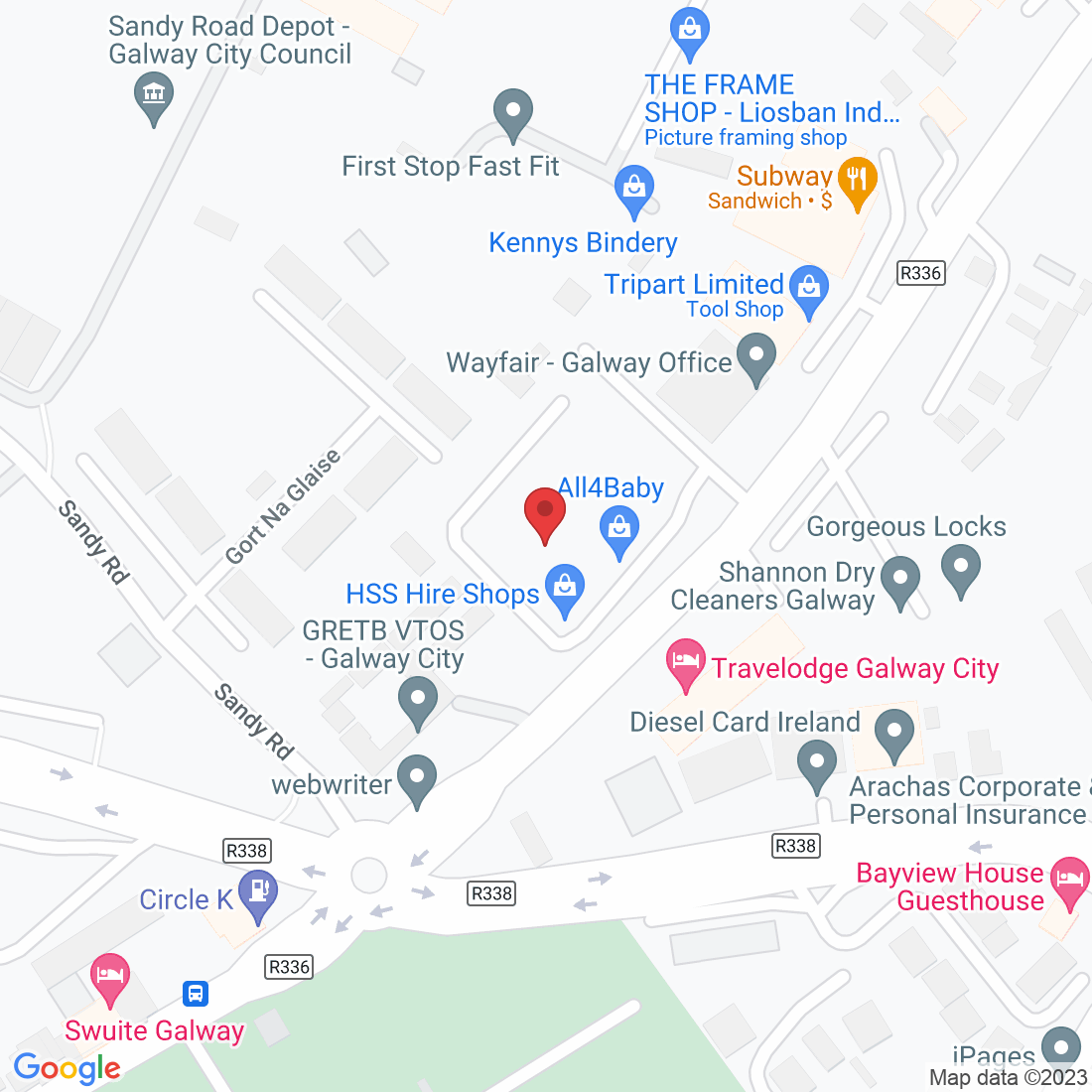
We are conveniently located in Unit 8D Liosban Business Park, Tuam road
Tuam Rd, Galway
Open 8am – 6pm (Mon-Fri)
Free Parking on our doorstep



Legal
How to get in touch
© Copyright 2022. Peak Podiatry All rights reserved.