
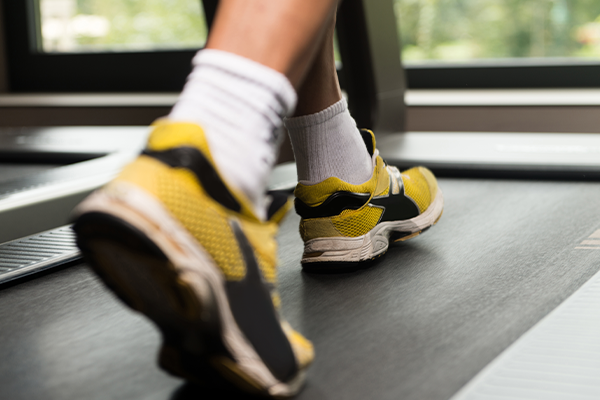
Running Injury Foot Care Galway: Why the Same Injury Keeps Coming Back
Understanding Recurring Running Injuries
At Peak Podiatry, located in the heart of Galway, we understand how frustrating it can be to deal with repeat running injuries. These injuries not only hinder your performance but can also lead to a cycle of pain and rehabilitation. In this article, we will explore the common causes of recurrent running injuries, effective treatments, and how you can prevent them from affecting your running routine.
What Causes Running Injuries to Keep Coming Back?
Running injuries can stem from various causes, often associated with factors like technique, equipment, and underlying medical conditions. Here are some of the primary contributors to recurring injuries:
- Improper Footwear: Inadequate or worn-out running shoes can affect your gait and lead to injuries such as plantar fasciitis or Achilles tendonitis.
- Poor Running Form: Biomechanical issues, including overpronation or supination, can create imbalances and stress your feet and legs.
- Insufficient Recovery Time: Failing to allow adequate rest between runs can lead to cumulative stress injuries, especially in a high-impact sport like running.
- Strength and Flexibility Imbalances: Weakness in the hip, core, or lower leg muscles can overwork other muscles, leading to strains and sprains.
- Previous Injury: A history of injuries, such as stress fractures or tendonitis, can increase the likelihood of recurrent issues if not properly addressed.
Common Running Injuries and Their Symptoms
Several injuries are frequently reported among runners. Understanding these can help in identifying and treating them effectively:
- Plantar Fasciitis: Characterized by heel pain that is typically worse in the morning or after prolonged sitting.
- Achilles Tendonitis: Inflammation of the Achilles tendon, generally presenting as pain and stiffness along the back of the heel.
- IT Band Syndrome: A condition causing pain on the outer knee and hip, often linked to tightness of the iliotibial band.
- Shin Splints: Pain along the shin bone, often exacerbated by running on hard surfaces.
- Stress Fractures: Small cracks in the bone that typically develop from overuse, presenting as localized pain that worsens with activity.
How Can I Treat My Running Injuries?
Effective treatment for running injuries often requires a combination of approaches:
- Rest and Recovery: Allow your body to heal by taking sufficient rest days.
- Physical Therapy: A tailored rehabilitation program focusing on strengthening and flexibility can be highly effective.
- Orthotics: Custom foot orthotics can help correct biomechanical issues and provide additional support.
- Ice and Compression: Applying ice therapy can reduce inflammation, while compression helps in managing swelling.
- Stretching and Strengthening: Incorporate stretching and strengthening exercises, particularly targeting the hips, calves, and feet.
What Preventive Measures Can I Take?
Preventing recurring running injuries is achievable with these proactive measures:
- Gradual Mileage Increase: Follow the 10% rule, which recommends that runners should not increase their weekly mileage by more than 10%.
- Proper Footwear: Invest in high-quality running shoes suited to your foot type and running style, and replace them regularly based on wear.
- Warm-Up and Cool-Down: Always include warm-up exercises before and stretching after your runs.
- Strength Training: Integrate strength training into your routine to enhance muscle balance and support.
- Cross-Training: Alternate running with low-impact activities such as swimming or cycling to build fitness while minimizing stress on your feet.
Frequently Asked Questions (FAQ)
1. How long should I rest if I have a running injury?
Rest periods can vary depending on the injury's severity; however, a general recommendation is 48-72 hours for acute injuries. Consult a podiatrist for personalized advice.
2. Can running injuries be prevented?
Yes, many running injuries can be prevented through proper training, conditioning, and by paying attention to your running gear.
3. When should I seek professional help for a running injury?
If pain persists after a few days of rest, worsens, or limits your daily activities, it’s crucial to consult a healthcare professional.
4. What type of shoes should I wear for running?
Choose running shoes that cater to your specific foot type (e.g., neutral, overpronation) and the terrain you will primarily run on.
5. How can I strengthen my feet?
Exercises such as toe raises, foot rolls on a ball, and ankle circles can help strengthen foot muscles and prevent injuries.
Conclusion
Understanding the reasons behind recurring running injuries is essential for effective management and prevention. At Peak Podiatry in Galway, we are dedicated to helping you regain your footing and enjoy running pain-free. If you’re experiencing persistent foot issues or want to learn more about managing your running injuries, book your appointment with us today.

Ask Robert And His Team
Fill in the form to request a Call From Our Team
Fill in the form to request a Call From Our Team
One of our team will call you for FREE and answer any questions or concerns you may have about your Foot Pain.
One of our team will call you for FREE and answer any questions or concerns you may have about your Foot Pain.

Where To Find Peak Podiatry Clinic
Ready to take the next step?
We are conveniently located in Unit 8D Liosban Business Park, Tuam road
Tuam Rd, Galway
Open 8am – 6pm (Mon-Fri)
Free Parking on our doorstep




Legal
How to get in touch
© Copyright 2022. Peak Podiatry All rights reserved.