
Running Injury Foot Care Galway: Why the Same Injury Keeps Coming Back
Introduction to Running Injuries and Foot Care in Galway
At Peak Podiatry, located in the heart of Galway, we understand that running is not just a hobby; it's a crucial part of many people's lives. However, the enjoyment of running can be dampened by recurring injuries. It's frustrating to deal with a running injury that keeps coming back, and many of our patients wonder why this happens. In this article, we will explore the common causes of running injuries, how to identify them, and effective treatment options to prevent their recurrence.
What Causes Recurring Running Injuries?
Recurring running injuries can often be attributed to a combination of factors. Here are some of the most common causes:
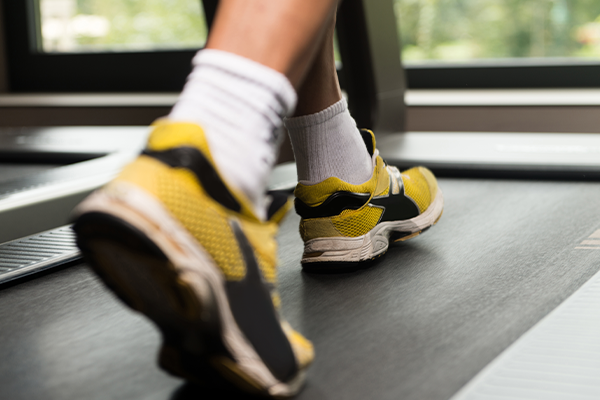
- Improper Footwear: Wearing the wrong type of running shoes for your foot type or inadequate cushioning can lead to injuries such as plantar fasciitis or Achilles tendinitis.
- Biomechanical Issues: Abnormalities in foot mechanics—such as overpronation or supination—can place excessive stress on certain areas of the foot, leading to injuries.
- Lack of Strength or Flexibility: Weak muscles or tight ligaments around the foot and ankle can contribute to instability, making runners more prone to injury.
- Inadequate Recovery Time: Without enough time to recover between runs, the body does not have a chance to heal, resulting in repetitive strain injuries.
- Changes in Training Routine: Increasing mileage, intensity, or frequency too quickly can often lead to overuse injuries.
Common Types of Running Injuries
Here are some prevalent types of running injuries that may be experienced repeatedly:
- Plantar Fasciitis: Inflammation of the plantar fascia, causing heel pain.
- Achilles Tendinitis: Pain along the back of the leg near the heel; often due to overuse.
- Shin Splints: Pain along the shin bone, often arising from increased activity or intensity.
- Runner's Knee (Patellofemoral Pain Syndrome): Pain around the kneecap commonly due to biomechanical issues.
- IT Band Syndrome: Inflammation of the iliotibial band, leading to pain on the outer part of the knee.
How Can I Treat and Prevent Recurring Running Injuries?
The treatment and prevention of recurring running injuries require a comprehensive approach:
1. Evaluate Footwear
Choosing the correct running shoes tailored to your foot type is crucial. Consider visiting our clinic for a professional fitting and gait analysis.
2. Improve Biomechanics
Addressing any biomechanical issues through orthotic supports or custom insoles can alleviate stress on your feet and lower extremities.
3. Incorporate Strengthening and Flexibility Exercises
Regular strength training for your feet, legs, and core can enhance stability. Stretching exercises, particularly for the calves and plantar fascia, can increase flexibility.
4. Schedule Proper Rest and Recovery
Aim to integrate rest days into your training schedule. Recovery sessions are just as important as the runs themselves.
5. Gradually Progress Training Intensity
Apply the '10% rule' — increase your weekly mileage by no more than 10% to reduce the risk of overuse injuries.
Is it Time to Seek Professional Help?
If you are experiencing persistent pain or have had multiple injuries, it’s essential to consult with a podiatrist. At Peak Podiatry in Galway, our team can provide you with a tailored treatment plan, focusing on relieving pain and preventing future injuries. With our expert advice and interventions, we strive to get you back on your feet and running pain-free.
Frequently Asked Questions (FAQs)
1. How do I know if I have a running injury?
Common signs include persistent pain that worsens with activity, swelling, and restricted range of motion. If you have doubts, consult a physician or podiatrist.
2. Can I continue running if I have an injury?
It is generally advisable to rest and allow the injury to heal. Continuing to run can exacerbate the condition and lead to further complications.
3. What are the best exercises for foot strength?
Exercises such as toe curls, calf raises, and resistance band exercises are beneficial. Always consult a podiatrist for personalized recommendations.
4. When should I see a podiatrist?
Seek professional help if you experience persistent pain, inability to run, or recurrent injuries that do not improve with self-care.
5. How can I prevent future injuries?
Implement proper foot care, correct footwear, balanced training routines, and continuous strength and flexibility training to minimize the risk of injuries.
Conclusion: The Path to Injury-Free Running with Peak Podiatry
Understanding the reasons behind recurring running injuries and taking a multifaceted approach to care can significantly improve your running experience. At Peak Podiatry in Galway, we’re dedicated to helping you achieve injury-free running. Don’t let pain hold you back—schedule an appointment today and take the first step towards a healthier running lifestyle.

Ask Robert And His Team
Fill in the form to request a Call From Our Team
Fill in the form to request a Call From Our Team
One of our team will call you for FREE and answer any questions or concerns you may have about your Foot Pain.
One of our team will call you for FREE and answer any questions or concerns you may have about your Foot Pain.

Where To Find Peak Podiatry Clinic
Ready to take the next step?
We are conveniently located in Unit 8D Liosban Business Park, Tuam road
Tuam Rd, Galway
Open 8am – 6pm (Mon-Fri)
Free Parking on our doorstep




Legal
How to get in touch
© Copyright 2022. Peak Podiatry All rights reserved.